Canada ‘Very Close’ to Reaching Trade Deal That Would Return US Alcohol to Shelves, Premier Says

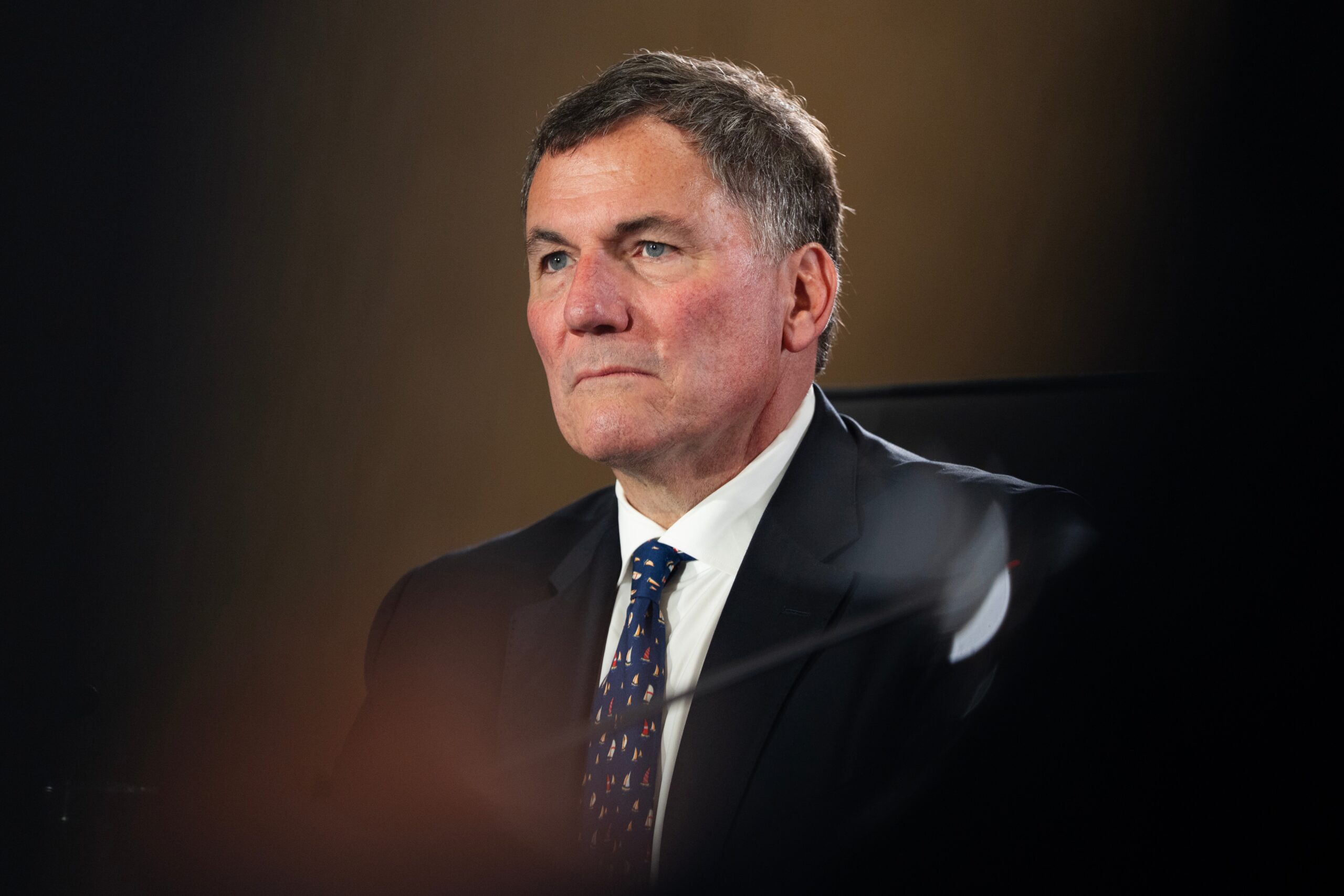
Canada-U.S. Trade Minister Dominic LeBlanc attends a meeting with Prime Minister Mark Carney and Canada’s premiers in Charlottetown on Thursday, July 23, 2026. (Darren Calabrese /The Canadian Press via AP)
Canada could soon put American alcohol back on store shelves as Ottawa and Washington work to finalize a new trade agreement before President Donald Trump’s latest tariff deadline.
Canadian Trade Minister Dominic LeBlanc said Thursday that the two countries are “very close” to reaching a deal after more than three hours of negotiations with U.S. Trade Representative Jamieson Greer in Washington.
The talks come ahead of a Saturday midnight deadline set by Trump. If the two sides fail to reach an agreement, the president has threatened to impose a 50% tariff on Canadian goods.
While the details of the potential agreement remain unclear, CTV News reported that reductions to tariffs on specific sectors, including steel and aluminum, could be part of the deal.
But for the American beverage industry, another potential concession could prove just as significant: the return of U.S. alcohol to Canadian shelves.
Newfoundland and Labrador Premier Tony Wakeham said Thursday that Canada’s premiers have agreed to restore U.S. alcohol sales as part of the tentative agreement being negotiated with the Trump administration.
Prime Minister Mark Carney reportedly asked the provinces to put American alcohol back on shelves as a gesture of goodwill during the negotiations.
U.S. beer, wine and spirits have largely disappeared from Canadian government-run liquor stores since last year, when provinces removed American products in response to Trump’s tariffs on Canadian goods.
Alberta and Saskatchewan are currently the exceptions.
If the tentative agreement moves forward, American alcohol could begin returning to Canadian stores relatively quickly, according to CTV News.
Manitoba Premier Wab Kinew said some products could be back within days, although rebuilding full product catalogues could take several weeks because of labeling requirements.
Still, Kinew made clear that he does not support the move.
“If we put the booze back on the shelves, don’t buy it,” Kinew told reporters, urging Manitobans to continue purchasing Canadian products instead.
His comments highlight a potentially significant challenge for American beverage companies even if the provincial bans are lifted: Canadian consumers may not immediately return to U.S. brands.
The dispute has already caused substantial damage to American beverage producers that relied on Canada as a major export market.
U.S. wine exports to Canada plunged by hundreds of millions of dollars after the country removed American products from its shelves. The Distilled Spirits Council of the United States has also reported a sharp decline in American spirits exports to Canada, including bourbon.
The trade disruption has left some American producers with inventory sitting in Canada while they wait for access to the market to resume.
For winemakers and distillers, restoring distribution could therefore provide an important first step toward rebuilding a business relationship that has been disrupted for more than a year.
But a return to the status quo may not happen overnight.
Canadian retailers and consumers have had time to find alternatives, while some Canadians have embraced domestic products as part of their response to Trump’s trade policies. American brands may have to compete for shelf space and consumer attention that they once took for granted.
Trump and Carney Still Have Work to Do
LeBlanc said Canada would remain in Washington to continue negotiations, describing the discussions as detailed but productive.
The Canadian government and Trump administration now face a tight deadline to turn the tentative progress into a finalized agreement.
Trump has repeatedly criticized Canada’s trade policies and has argued that American products face unfair treatment in the country’s provincial liquor systems. His administration’s tariff threats have placed significant pressure on Ottawa to reach a broader agreement.
For American wineries, breweries and distillers, the outcome could determine whether one of their most important foreign markets begins reopening — or whether the trade fight continues.
For now, Canadian premiers appear prepared to put American alcohol back on the shelves if a deal is reached. Whether Canadian consumers are willing to put it back in their shopping carts is another question.
Follow The Daily Pour:
About The Daily Pour
Founded by Dan Abrams, The Daily Pour is the ultimate drinking guide for the modern consumer, covering spirits, non-alcoholic and hemp beverages. With its unique combination of cross-category coverage and signature rating system that aggregates reviews from trusted critics across the internet, The Daily Pour sets the standard as the leading authority in helping consumers discover, compare and enjoy the best of today's evolving drinks landscape.