India Could Surpass US as Top Scotch Import Market Thanks to Tariff Cuts

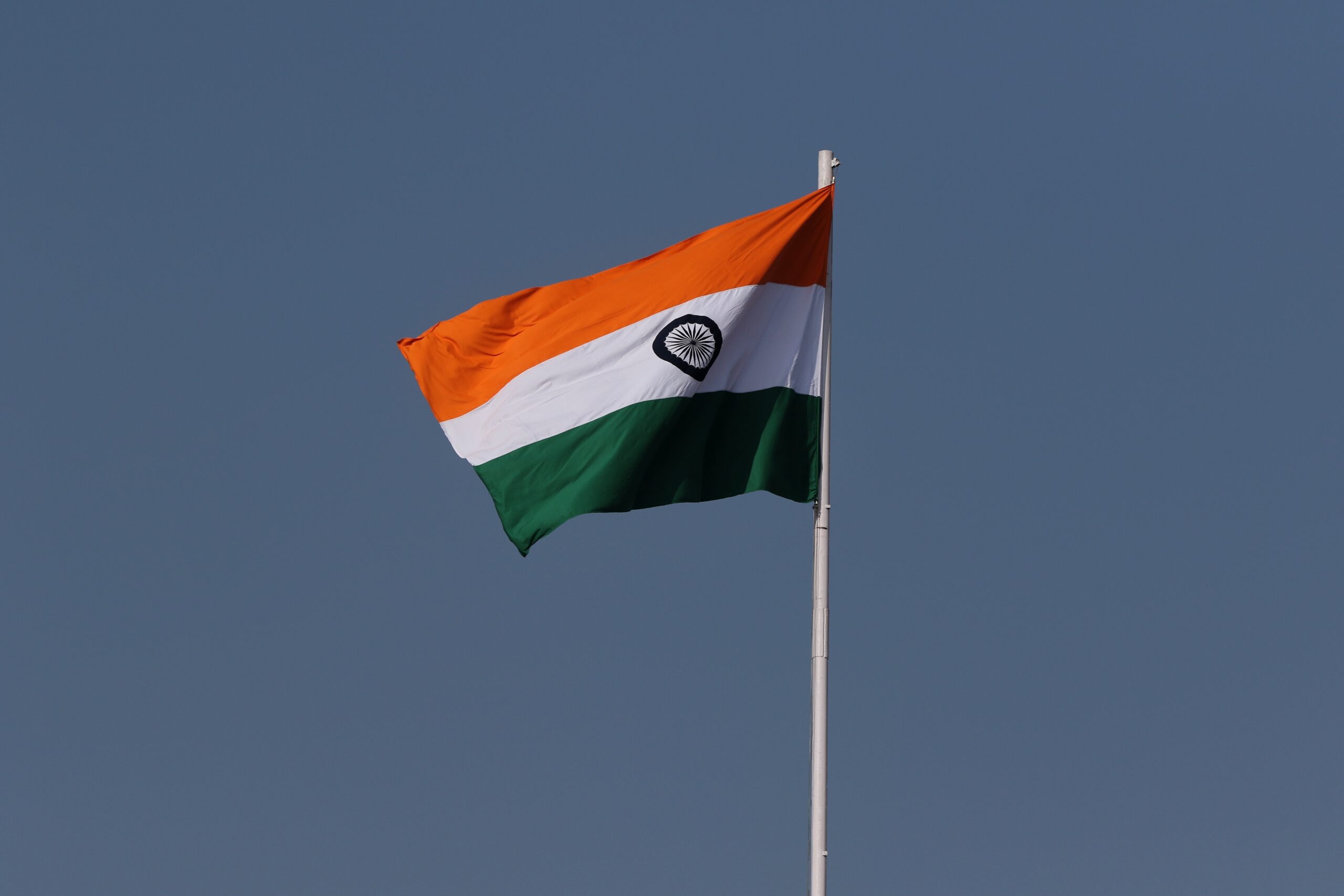
Indian National flag (Tri-Color) waves during Jashn-e-Chillai Kalan Program at Shopian, Jammu and Kashmir, India on 15 December 2021. (Photo: Nasir Kachroo/NurPhoto via AP)
India could overtake the United States as the world’s largest Scotch whisky market by export value as lower import duties and rising demand for premium spirits fuel growth, according to the Scotch Whisky Association.
Scotch whisky exports to India reached £286 million (about $385 million) in 2025, making it the world’s largest market by volume but the third-largest by value, behind the U.S. and France, Ian Duddy, the association’s international director, said, according to Mint. Exports totaled about 220 million bottles and have grown by 8% to 9% annually despite high import duties.
The India-UK free trade agreement, which took effect July 15, cuts import duties on Scotch whisky from 150% to 75%, with a further reduction to 40% over the next decade. The lower duties could make imported Scotch more affordable and encourage consumers to buy higher-end bottles, though state taxes and distribution costs will influence final retail prices.
India’s whisky market is already growing, with Scotch gaining ground faster than the category overall. Whisky consumption rose 3.7% to 268.8 million nine-liter cases in 2025, while Scotch consumption increased 5.3% to 9 million cases, according to data from drinks consultancy IWSR cited by Mint.
Scotch is projected to grow at an annual compound rate of 5.4% from 2025 to 2030, compared with 3.6% for whisky overall.
The U.S. remained the most valuable export market for Scotch whisky in 2025, with shipments worth £933 million. France ranked second at £404 million, while global Scotch whisky exports totaled £5.3 billion.
Duddy said the tariff cuts between India and the U.K. have been important for the industry. However, lower customs duties will not translate directly into equivalent retail price cuts because state excise duties, distribution costs and retailer margins also affect prices.
Paul Ross, chief executive of Edrington India, which represents the Scottish spirits maker behind The Macallan, expects imported Scotch retail prices to fall by 7% to 10% as the lower duties reach consumers.
“That can only encourage people to trade up, I think,” Ross told Mint.
Lower prices could also narrow the gap between Indian retail prices and those in overseas markets such as Singapore, Dubai and London. The extent and timing of any reductions will depend in part on state-level pricing approvals and other taxes.
Douglas Alexander, the U.K. secretary of state for Scotland, said the tariff reductions were already making a difference to importers. The U.K. government estimates the trade agreement could increase bilateral trade by £25.5 billion a year over the long term.
About 80% of Scotch whisky exports to India are shipped in bulk, with the remainder sold in bottles, Duddy said. Some bulk whisky is bottled locally, while some is used in Indian-made foreign liquor, a category of spirits produced in India.
The trade agreement could encourage companies to invest in local bottling, warehousing and distribution as sales expand.
“If the free trade agreement works well, we would expect to see an increase in that investment locally in India,” Duddy said.
India’s state-by-state tax systems and regulations remain a challenge for overseas spirits companies. Ross said Haryana could be among the first states to reflect the duty cuts in retail prices, followed by Delhi, as authorities approve revised price lists.
Duddy advised companies entering India to focus on one or two states and build local partnerships rather than attempt to navigate the entire market at once.
Industry executives see rising incomes and consumers’ willingness to spend more on premium bottles as key drivers of future Scotch sales.
“People want to drink less, but drink better,” Ross said.
Edrington has seen demand for 25- and 30-year-old expressions of The Macallan exceed expectations, Ross said, with premium bottles increasingly appearing in consumers’ home bars.
India’s single malt market totals about 360,000 cases, including 75,000 to 80,000 cases in the ultra-premium segment, according to Ross.
As import duties fall, the industry expects demand for both bulk Scotch and bottled whisky to rise. Whether India overtakes the U.S. in export value will depend on how quickly premium demand grows and how much of the tariff savings reaches consumers.
Follow The Daily Pour:
About The Daily Pour
Founded by Dan Abrams, The Daily Pour is the ultimate drinking guide for the modern consumer, covering spirits, non-alcoholic and hemp beverages. With its unique combination of cross-category coverage and signature rating system that aggregates reviews from trusted critics across the internet, The Daily Pour sets the standard as the leading authority in helping consumers discover, compare and enjoy the best of today's evolving drinks landscape.