Why Drinking Less Doesn’t Mean Going Out Less

(Photo: Pixabay/jannonivergall)
How a younger generation is redefining socializing — and why bars, restaurants and events are following them
For years, the nightlife economy operated on a simple assumption: People go out to drink. If alcohol consumption declined, nights out would decline too. That logic is starting to look outdated.
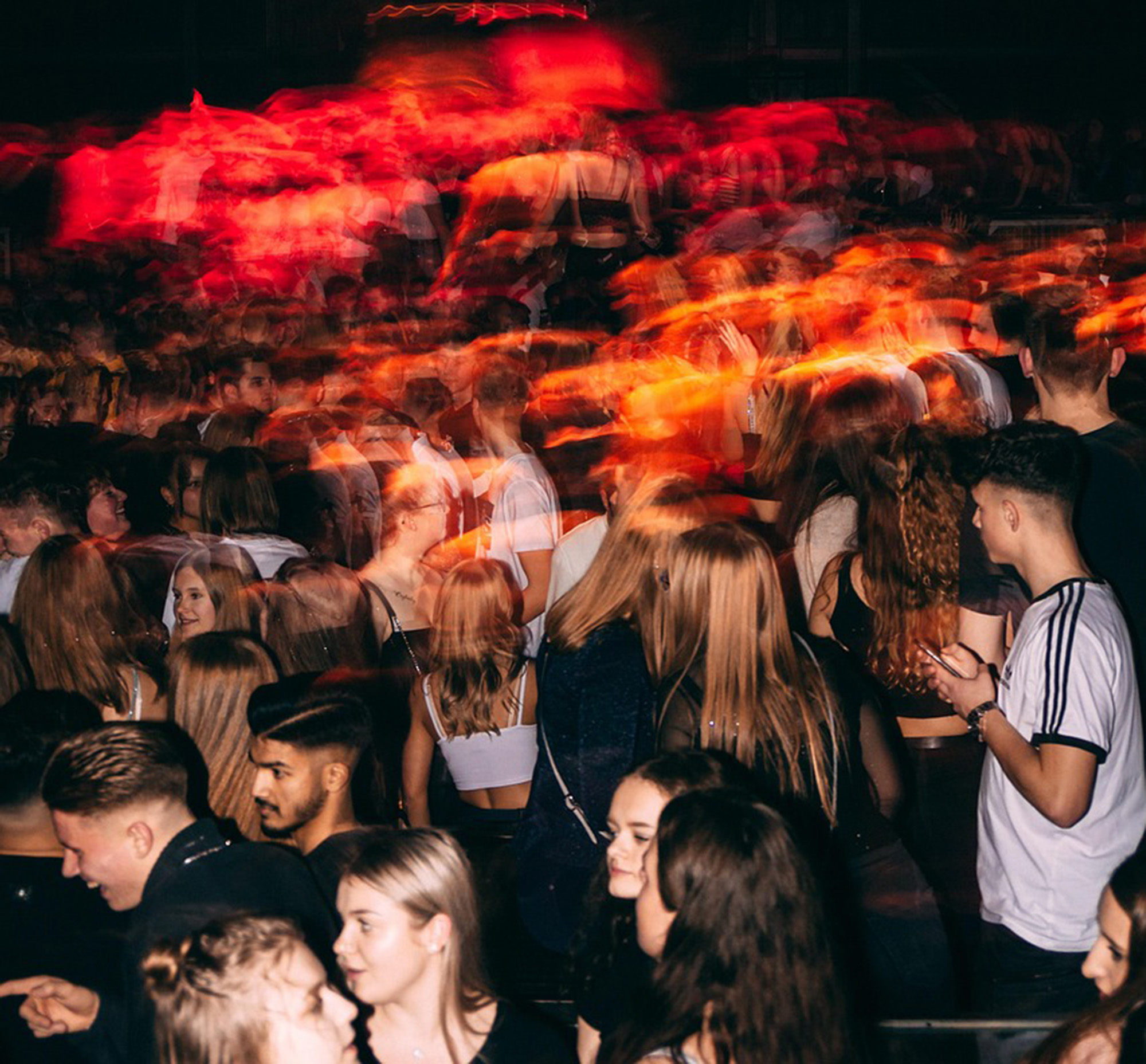
Younger consumers are drinking less, but they aren’t staying home. Bars, rooftops, concert venues and restaurant patios are still busy. The difference is what people are ordering once they get there. The trend isn’t really about abstinence. It’s about changing expectations around what a night out needs to include.
The Rise of Mindful Socializing
A phrase gaining traction is “mindful socializing.” At its core, it means putting the social experience ahead of the alcohol.
That doesn’t necessarily mean sobriety. More often, it looks like someone having one cocktail before switching to a non-alcoholic drink — “zebra striping,” it’s called — or skipping alcohol entirely on a weeknight because they have an early workout, meeting or flight the next day.
What’s driving the change is less about morality than practicality. Many consumers are making decisions based on how they want to feel the next morning. Better sleep, fewer hangovers, lower costs and more control all factor in.
For a growing number of people, drinking is no longer the default setting of social life. It’s simply one choice among many.
Why Younger Consumers Are Leading the Shift
The trend is especially visible among Gen Z and younger millennials.
They grew up in an era where tracking health metrics became second nature. Sleep scores, workout recovery, daily steps, screen time and calorie intake are all monitored. Alcohol has increasingly become part of that same calculation.
A rough morning isn’t just a rough morning; it’s a missed workout, lower productivity and a disruption to carefully managed routines.
There are other factors at work, too. Younger adults have spent much of their lives in front of cameras, where almost any moment can end up online. Alcohol is also expensive, particularly in major cities where a few rounds can quickly turn into a significant expense.
Taken together, those realities have made moderation feel less like a sacrifice and more like a practical lifestyle choice.
The Industry Has Finally Caught Up
What separates this moment from previous waves of moderation is that the beverage industry has adapted.
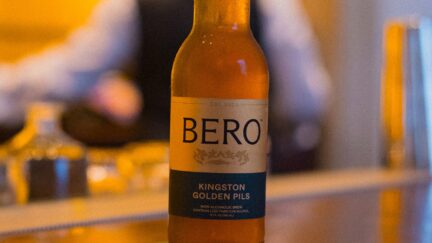
A decade ago, non-drinkers often had limited choices beyond soda, juice or sparkling water. Today, many bars stock non-alcoholic beer, zero-proof spirits, functional beverages and mocktails crafted with the same attention as traditional cocktails.
The quality gap has narrowed dramatically.
That matters because better options change the social dynamic. Ordering a thoughtfully made zero-proof drink no longer feels like settling for second best. In many settings, it’s indistinguishable from ordering a cocktail.
As those choices become more visible, they become more socially accepted. The pressure to explain why you’re not drinking starts to disappear.
How Bars and Restaurants are Adapting
Operators have responded in noticeable ways. Dedicated zero-proof sections are becoming standard on menus. Bartenders are increasingly trained to approach non-alcoholic drinks with the same care and creativity as cocktails. Some businesses have even built entire concepts around alcohol-free nightlife.
Events have followed suit. Daytime gatherings, run clubs that end at coffee shops, sober-friendly concerts and festivals centered on functional beverages are drawing growing audiences. What these experiences have in common is that they focus on connection rather than consumption.
People still want reasons to gather, they just don’t always want alcohol to be the centerpiece.
The Business Logic Is Sound
For hospitality operators, embracing moderation is a financial decision as well as a cultural one.
Non-alcoholic beverages can carry attractive margins, while also appealing to a broader range of guests. Designated drivers, pregnant customers, people taking medication, sober-curious consumers and anyone pacing themselves throughout the night all become easier to serve.
There’s another advantage: Guests often stay longer.
Someone who may have stopped drinking after one cocktail now has other options to continue ordering without ending the night. That can translate into additional revenue while creating a more inclusive environment.
The trend may also create new opportunities throughout the day. Consumers who aren’t focused on drinking heavily tend to be more open to afternoon and early-evening social occasions, giving venues more chances to attract traffic outside traditional late-night hours.
A Renegotiation, Not a Retreat
It’s important to understand what this trend is not.
It is not a return to temperance, and it does not signal a generation retreating from social life. Young consumers still want dinners, rooftop gatherings, concerts and long conversations with friends.
What has changed is the assumption that alcohol must be at the center of those experiences.
Drinking less doesn’t mean going out less. Increasingly, it means socializing on different terms. The venues that recognize that distinction are likely to be the ones best positioned for the years ahead.
Follow The Daily Pour:
About The Daily Pour
Founded by Dan Abrams, The Daily Pour is the ultimate drinking guide for the modern consumer, covering spirits, non-alcoholic and hemp beverages. With its unique combination of cross-category coverage and signature rating system that aggregates reviews from trusted critics across the internet, The Daily Pour sets the standard as the leading authority in helping consumers discover, compare and enjoy the best of today's evolving drinks landscape.