Inside the GLP-1 Era’s Low-Sugar Boom in Non-Alcoholic Beverages

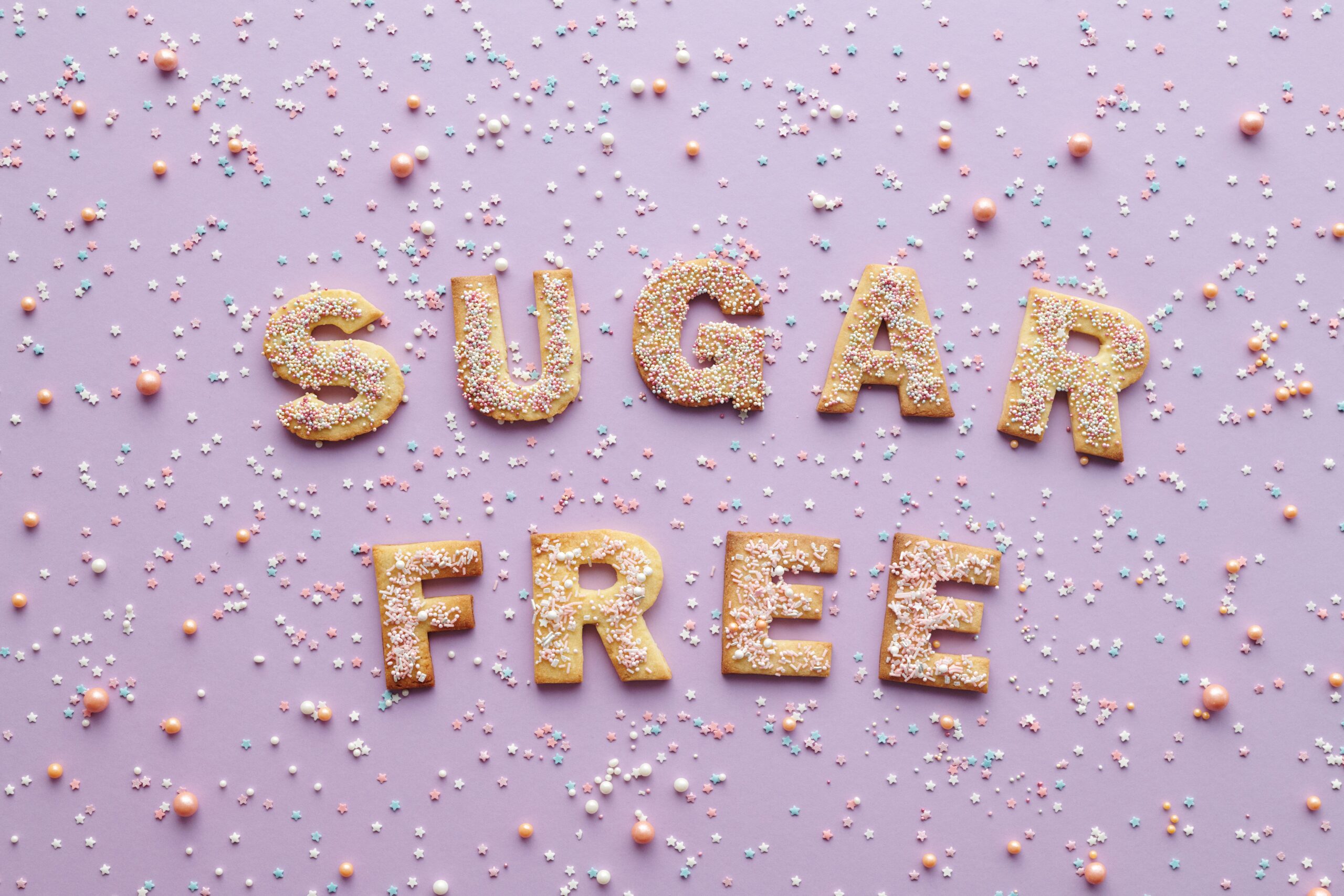
(Image: Pexels/Henri Mathieu-Saint-Laurent)
Everyone wants low-sugar drinks right now. Or maybe it’s more accurate to say everyone thinks they want low-sugar drinks — until they try one and remember how much they miss the sweetness.
For years, non-alc drinks have filled the gap alcohol left behind with sweetness. If booze is bitter, dry, tannic or complex, the early NA category often went the opposite direction: fruit-forward, syrupy, dessert-adjacent. The new wave of NA drinks responds to a rising demand for low-sugar food and beverages in a GLP-1 era.
As a cofounder of an intentionally low-sugar NA spirit line, low sugar was central to our formulation process. We wanted to counter the sugar bombs of early non-alc. But we quickly learned there’s a gap between people saying they want low sugar and people liking low-sugar drinks.
During tastings in NA bottle shops, consumers often light up when they hear a spirit is low-sugar. Some leave with a bottle. Others leave with a sweeter, sugar-based competitor. Consumers say they want low sugar, but in practice they often choose flavor profiles that lean sweet. We went heavier on sugar for our RTD release in response to that research.
The GLP-1 of It All
Part of what’s driving the conversation is broader awareness of health and nutrition. GLP-1 medications used for weight loss and metabolic health are reshaping consumer appetite. A PubMed-reviewed paper on GLP-1 drugs noted shifts in taste perception and appetite regulation, including what some researchers call “taste flattening.” These drugs affect taste buds directly; intense, vivid flavors can become muted or less enjoyable, reducing cravings.
The food and beverage industry has seen this pattern before: low-fat everything in the ’90s, 100-calorie packs in the 2000s, paleo-everything in the 2010s. We may one day look back on the low-sugar obsession the same way.
According to Charlotte Mizrahi, a formulator and co-founder of LeyLine Labs, sugar does more in a drink than sweeten it. “The American palate leans toward sugar,” she said. “It creates a thicker, silkier mouthfeel and enhances other flavor profiles. Not to mention humans are hardwired to want the quick energy source it provides.”
That’s why “low sugar” isn’t a simple switch. Even when brands remove cane sugar or syrups, they often replace them with something else — stevia, monk fruit, sugar alcohols or artificial sweeteners.
“The most common request we get is to have their label read ‘No Added Sugar,’ which means avoiding cane sugar and syrups like maple or agave,” Mizrahi said. “But you might also find non-nutritive sweeteners like aspartame, sucralose, stevia, monk fruit, and sugar alcohols like xylitol or erythritol.”
Consumers don’t agree on what “low sugar” should feel like. Some want no sweetness at all. Others want sweetness with fewer calories.
Reading Labels in 10 Seconds or Less
For shoppers overwhelmed by label fatigue in the NA aisle, experts suggest starting with numbers, then moving to ingredients. Laura Silverman, founder of Zero Proof Nation, starts with calories.
“I always start with the calorie count, which is usually a good indicator of how much actual sugar is in a drink,” she said. “A can of Coca-Cola, for comparison, has around 140 calories and 39 grams of sugar. So if an NA beverage is approaching triple digits in calories, it’s likely carrying meaningful sugar content.”
Silverman echoes Mizrahi’s point on sugar alternatives, which come with their own trade-offs depending on personal preference. Across beverage makers and journalists, one theme repeats: the disconnect between consumers’ idealized selves, who want low sugar, and their palates, which love it — especially in the U.S.
Aqxyl Storms, founder of Minus Moonshine, an NA bottle shop in Brooklyn, sees that tension in retail behavior. “Almost all of our dealcoholized wines are low sugar,” Storms said, “but customers still tend to gravitate toward semi-sweet options.” Even when low-sugar options exist, people often choose familiarity.
Seltzers and lightly flavored botanical drinks tend to perform well precisely because they don’t lean into sugar-heavy profiles, says Christina Heiser, a health journalist and founder of the Celiac Self-Care newsletter. “My all-time favorite low-sugar NA option is hop water,” she said. “It tastes like a mix between beer and a seltzer and is refreshing. I always keep a few stocked in my fridge.” That points to a broader shift: consumer desire for NA drinks that lean less on imitating booze and more on flavor profiles inspired by familiar ingredients.
So Where Does This Leave NA Drinks?
The low-sugar NA movement isn’t purely about health. It’s about consumers finding beverage options to replace alcohol, building new rituals around a special drink, or discovering flavors they hadn’t considered.
On one side: emerging science around appetite, GLP-1 medications and shifting taste perception. On another: formulators trying to preserve innovation and mouthfeel without sugar. In the middle: consumers who say they want one thing and reach for another.
The most grounded take comes from Mizrahi, a counterbalance to the optimization mindset. “It’s okay to have some sugar,” she said. “Most folks are picking up an NA drink for joy. As they say on NBC’s ‘Parks and Recreation’: Treat yourself!”
Maybe the future of NA isn’t about sugar at all, but about consumer awareness. People want drinks that feel good, taste good and fit whatever version of wellness they’re chasing. Sometimes that’s a zero-sugar hop water. Sometimes it’s a thoughtful RTD with a few grams of sugar that balances acidity.
Or, as Silverman put it: “We want to have our low-sugar cake and eat it too.”
Maybe that’s fine. Whether you’re sober, sober-curious, in your GLP-1 era, or just looking for a good drink, the best NA option is the one you enjoy.
Follow The Daily Pour:
About The Daily Pour
Founded by Dan Abrams, The Daily Pour is the ultimate drinking guide for the modern consumer, covering spirits, non-alcoholic and hemp beverages. With its unique combination of cross-category coverage and signature rating system that aggregates reviews from trusted critics across the internet, The Daily Pour sets the standard as the leading authority in helping consumers discover, compare and enjoy the best of today's evolving drinks landscape.