Heineken Warns Bars of GLP-1 Drugs’ Negative Impact on Beer Sales

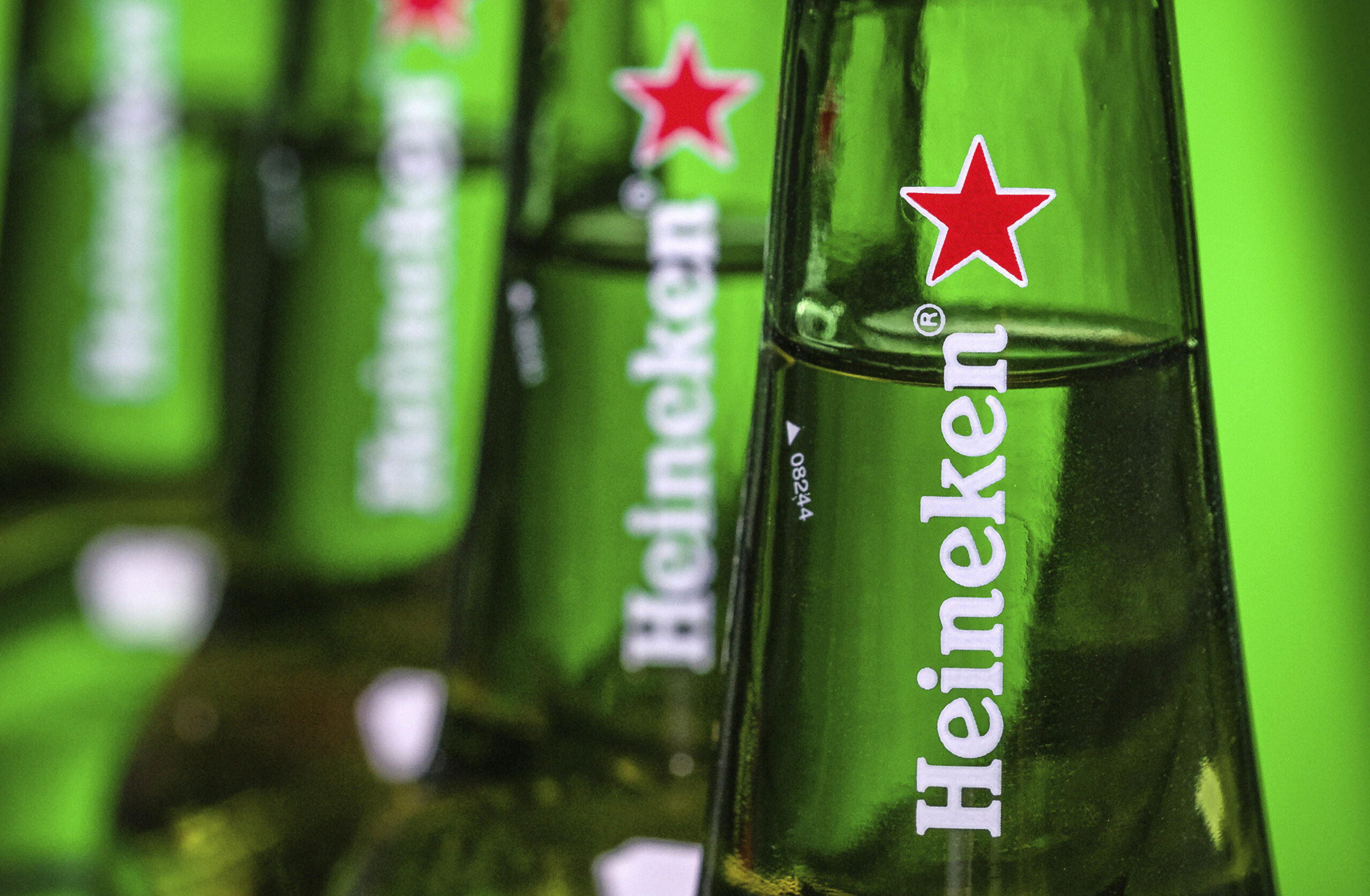
In this file photo dated Friday, March 30, 2018, bottles of Heineken beer are photographed in Washington, USA. (AP Photo/J. David Ake, FILE)
Heineken is warning British pubs and bars to adapt to the growing use of weight-loss drugs or risk losing customers and revenue, according to a company presentation reviewed by Reuters.
The presentation, shared with hospitality customers in the U.K. this month, says drugs such as Ozempic and Wegovy can reduce the desire to drink and put pressure on beer and cider sales as consumers experience “fullness and fewer serves.” It warns that traditional occasions involving multiple pints could become harder to sustain.
Heineken advised pubs and bars to promote half-pints, low- and no-alcohol drinks, and food pairings such as small plates to adapt to changing consumer habits.
The Dutch brewer told Reuters that it shared the presentation as part of its regular engagement with U.K. hospitality businesses.
“We see some changes in consumption behaviour among (GLP-1) users and will continue to monitor how these behaviours evolve in 2027,” Heineken said.
The company added that people taking GLP-1 drugs were not giving up alcohol altogether but were increasingly choosing smaller servings, lower-alcohol drinks and more premium products. It said its portfolio was well positioned to meet those preferences.
Research suggests the medications may already be affecting drinking habits. According to market research firm Circana, U.S. households with at least one GLP-1 user reduced their spending on alcohol over two years compared with households without a user. By the end of that period, they were spending about 7% less per month on alcohol, including roughly 13.5% less on beer.
Reuters also interviewed 11 people taking GLP-1 medications. Ten said they had reduced their alcohol consumption, citing discomfort, feeling unwell or a diminished desire to drink.
The findings come as the alcohol industry faces years of declining sales in some major markets, with consumers cutting back for health and financial reasons.
Heineken has identified the U.K. as a relative bright spot, despite sluggish growth across Europe, its largest market by revenue. The company owns more than 2,000 pubs in Britain. Beer generated nearly £14 billion in sales at British pubs, bars and restaurants in the year through February 2026, according to a Heineken U.K. report. Low- and no-alcohol beer accounted for less than £300 million of that total.
GLP-1 medications, which include semaglutide products such as Ozempic and Wegovy, are best known for treating diabetes and obesity. Their effects on appetite and the brain may also influence alcohol cravings and consumption.
Joseph Schacht, a professor at the University of Colorado Anschutz who led a randomized controlled trial examining GLP-1 drugs in people with alcohol use disorder, told Reuters that trials have consistently shown reductions in cravings and consumption among people with the disorder.
Schacht said the medications could represent a potential turning point in alcohol use disorder treatment, while also creating challenges for alcohol producers if broader groups of consumers reduce their drinking.
Follow The Daily Pour:
About The Daily Pour
Founded by Dan Abrams, The Daily Pour is the ultimate drinking guide for the modern consumer, covering spirits, non-alcoholic and hemp beverages. With its unique combination of cross-category coverage and signature rating system that aggregates reviews from trusted critics across the internet, The Daily Pour sets the standard as the leading authority in helping consumers discover, compare and enjoy the best of today's evolving drinks landscape.