10 Things You Need to Know About Kava, the Root Replacing Alcohol

Kava is a Pacific Island root drink, not a tea and not a psychedelic. It comes from Piper methysticum, has been drunk socially across Vanuatu, Fiji, Tonga and Samoa for centuries, and produces a clear-headed calm rather than intoxication.
The short version:
- It is a root, not a leaf. The kavalactones sit in the roots; the plant is grown from cuttings and left several years before harvest.
- It is social. Traditionally shared from one bowl, passed round — the original unwinding ritual
- It tastes earthy, slightly peppery, with a numbing tingle on the tongue. That tingle is the reliable sign of real kava
- It comes in several formats — strained root, powder, instant, tea bags, extract and ready-to-drink — which differ mainly in preparation time and how precisely you can know the dose
- It contains no alcohol — 0% ABV — and it is not a substitute for being drunk
- Moderation is built into the tradition — a measured serving, not an open-ended one
Kava. It’s not a new yoga pose or a bubbly Champagne-esque wine. It’s a centuries-old plant that’s making waves in wellness circles and chill zones alike.
Whether you’re kava-curious or just looking for a new way to relax, here are 10 things you need to know about this mysterious happy root that’s been quietly stealing the spotlight.
1. It’s The Pacific’s Original Social Drink
Kava is best known for its calming effects. It’s like that friend who always knows how to help you unwind after a long day — except it’s a drinkable root. Packed with compounds called kavalactones, kava works its magic by promoting relaxation without making you groggy. Think “Netflix and Kava” instead of “Netflix and Stress.”
2. It Comes from the Pacific Islands
Kava has been a big deal in places like Fiji, Tonga, and Vanuatu for centuries. Locals use it in ceremonies, social gatherings, and even to settle disputes. (Imagine sipping kava instead of arguing with your relatives at Thanksgiving. Bliss.)
3. It’s NOT Psychedelic, So Don’t Panic
If you’re worried that kava will send you on a wild hallucinogenic journey, rest easy — it’s not that kind of plant. Kava is all about relaxation, not tripping through the cosmos.
4. It’s a Social Butterfly
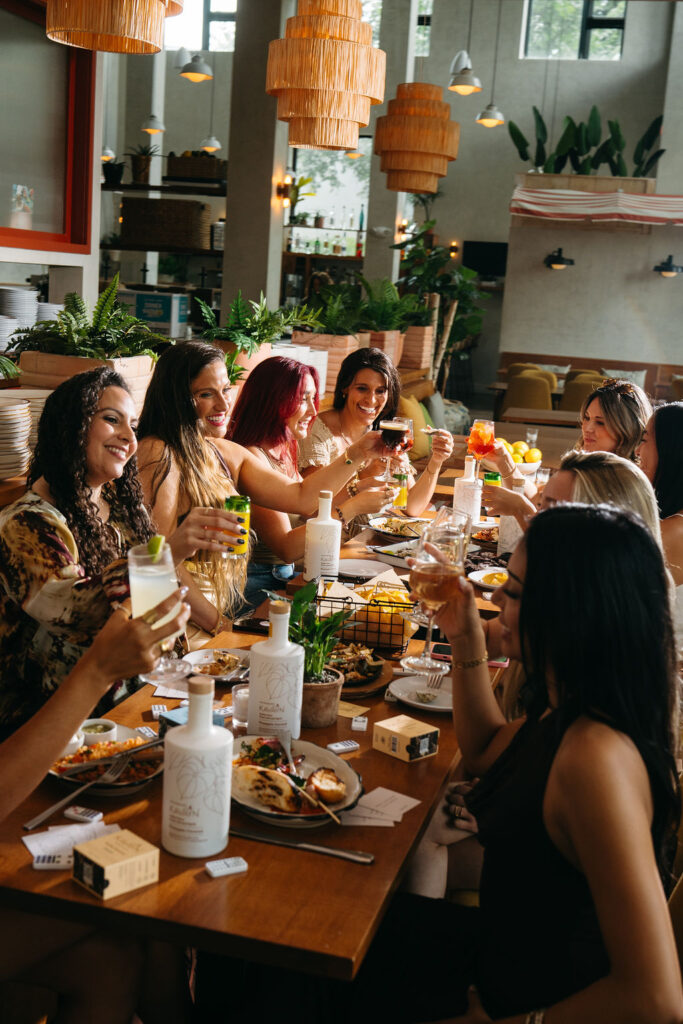
In Pacific Island cultures, kava is a social drink. Think of it as the ancient version of happy hour — without the alcohol. Sharing a bowl of kava is a way to bond, chill, and maybe even solve the world’s problems (or at least forget about them for a while).
5. Taste? Let’s Call It ‘Earthy’
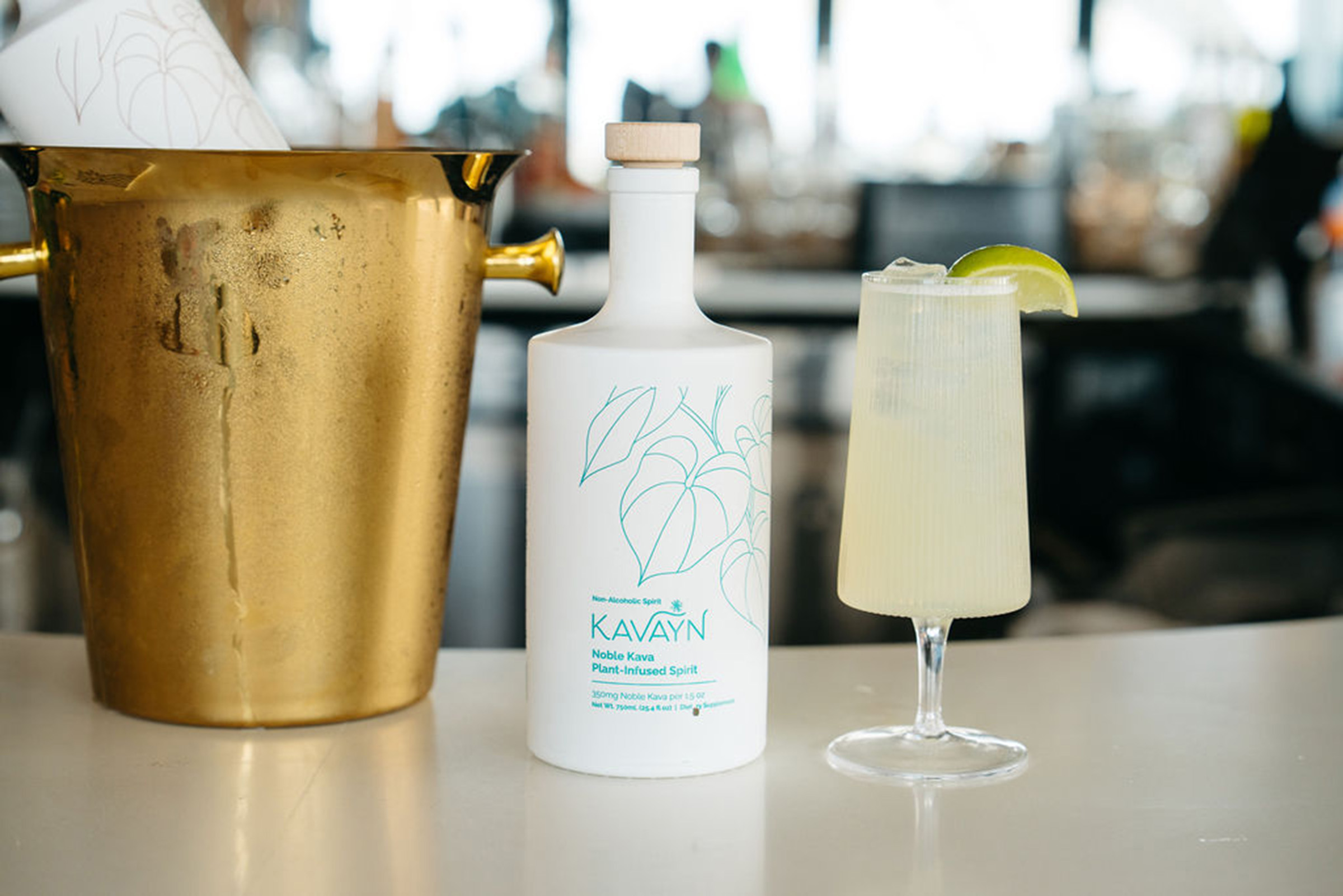
We won’t lie — kava’s flavor isn’t exactly winning awards. It’s kind of like drinking muddy water, but in a good way! (Stay with us here.) If you can get past the taste, the benefits are totally worth it. And hey, there are innovative, flavored options now for kava newbies. (ahem, Kavayn)
6. It’s an Evening Drink
Kava suits the end of a day rather than the start of one. Onset is gradual and the effects taper off rather than stopping abruptly, so it sits naturally in an evening; poured, shared, unhurried. Across the Pacific it has been drunk exactly that way for centuries.
7. It’s a Natural Alternative to Alcohol
For those who want to unwind without the hangover, kava is a fantastic option. It helps you relax and keeps you in the moment; all while leaving you clear-headed the next morning.
8. There Are Different Ways to Enjoy It
Traditionally, kava is prepared by grinding the root and mixing it with water. But if you’re not into DIY, there are ready-made kava teas, capsules, and even trendy kava bars popping up. Yes, bars. For kava.
9. It’s a Plant with a Long Record
Kava has been drunk socially across Vanuatu, Fiji, Tonga and Samoa for centuries. What has changed is standardization: a known kavalactone content per serving, from noble cultivars, tested every batch, rather than a preparation whose strength depends on who made it and how long they kneaded.
10. Moderation Is the Point
Kava is a traditional beverage, not a shortcut, and the tradition has always been built around a measured serving rather than an open-ended one. Stick to the serving size on the label, and don’t combine it with alcohol.
Kava isn’t just a wellness buzzword — it’s a plant with deep cultural roots, a knack for helping you relax, and a growing fan base worldwide. Whether you’re looking to de-stress, sleep better, or just try something new, kava might be worth a sip (or two).
This is a sponsored article provided by Kavayn
Follow The Daily Pour:
About The Daily Pour
Founded by Dan Abrams, The Daily Pour is the ultimate drinking guide for the modern consumer, covering spirits, non-alcoholic and hemp beverages. With its unique combination of cross-category coverage and signature rating system that aggregates reviews from trusted critics across the internet, The Daily Pour sets the standard as the leading authority in helping consumers discover, compare and enjoy the best of today's evolving drinks landscape.