Non-Alcoholic Wine Has Its Skeptics. What Will It Take to Win Them Over?

We ask a lot of questions about wine. Where was it grown? What makes this Pinot Noir different from the one beside it? Then we reach the non-alcoholic section, and somehow we’re supposed to be satisfied with “red” or “white.”
For a category built on the pleasures of discovery, that is a strange place to settle. Someone choosing NA tonight may have been exploring single-vineyard Chardonnay last week. Their decision about alcohol has changed. Why assume their interest in wine has disappeared?
Wine invites people to care about where a bottle comes from, to seek out particular producers and to get excited about the differences between places. Choosing non-alcoholic has too often meant leaving that exploration behind. Anyone looking for an introduction to wine’s fascination encounters the same limitation: there is a whole conversation about provenance that the NA shelf has barely begun to offer.
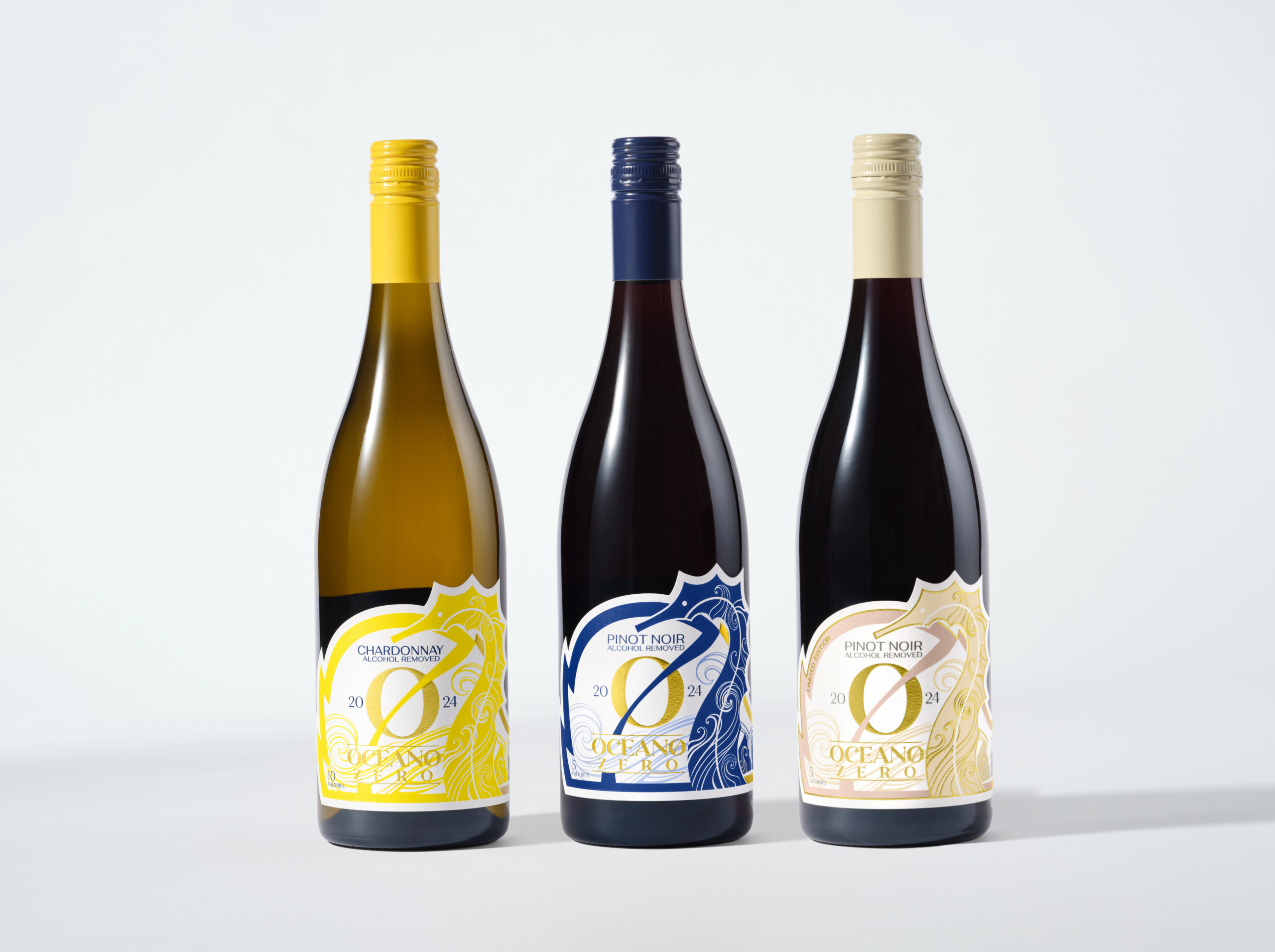
Oceano Wines sees an opening there, and the California producer is setting itself an exacting task. Its Oceano Zero collection brings together single-vineyard Chardonnay and Pinot Noir with the ambition of preserving the character that makes each source worth discovering. Naming a vineyard on the label raises expectations before anyone opens the bottle. That is part of the proposition.
For founder and CEO Rachel Martin, the opportunity is to give people more freedom within wine itself.
“People don’t stop loving wine because they decide not to drink alcohol,” says Martin. “They still want to discover a vineyard, open something special and bring a bottle to dinner that gets people talking. We’re asking them to bring that same curiosity to Oceano. If we put a vineyard’s name on the label, we’re giving ourselves something demanding to live up to.”
Martin is a second-generation vintner with experience across production, distribution and hospitality, and studies in wine sensory analysis at the University of Bordeaux and enology and viticulture at Napa Valley College. She understands the appeal of a particular place, and the difficulty of carrying its character through alcohol removal. Oceano’s answer brings fine-wine craft and advances in aroma recovery together, with the finished NA wine in mind throughout production.
Start at Spanish Springs Vineyard on California’s SLO Coast, a mile and a half from the Pacific. Fog and ocean breezes prolong ripening above ancient seabed limestone, sandstone and marine shale. It is the source of Oceano Zero’s 2024 Chardonnay and Pinot Noir, two wines with distinctly different invitations to the table.
Oceano describes the Chardonnay in terms of citrus, pear and brioche, with a mineral and saline finish. The Pinot Noir moves toward red berries, coastal sage and savory detail, with vibrant acidity and fine tannins. Those distinctions are the pleasure of choosing a bottle: the pull of a savory Pinot, the appeal of a coastal Chardonnay, the anticipation of how each will unfold over dinner. There is a reason to try both.
Farther north, the collection’s limited-production Pinot Noir, released in September 2026, comes from Gap’s Crown Vineyard, on Sonoma Mountain’s western hillside in the wind- and fog-influenced Petaluma Gap. Oceano selects fruit from a mid-slope block of clone 115 for a production of just 220 cases. The specificity makes the ambition tangible: a particular vineyard, a particular block and a small number of bottles in which to express it.
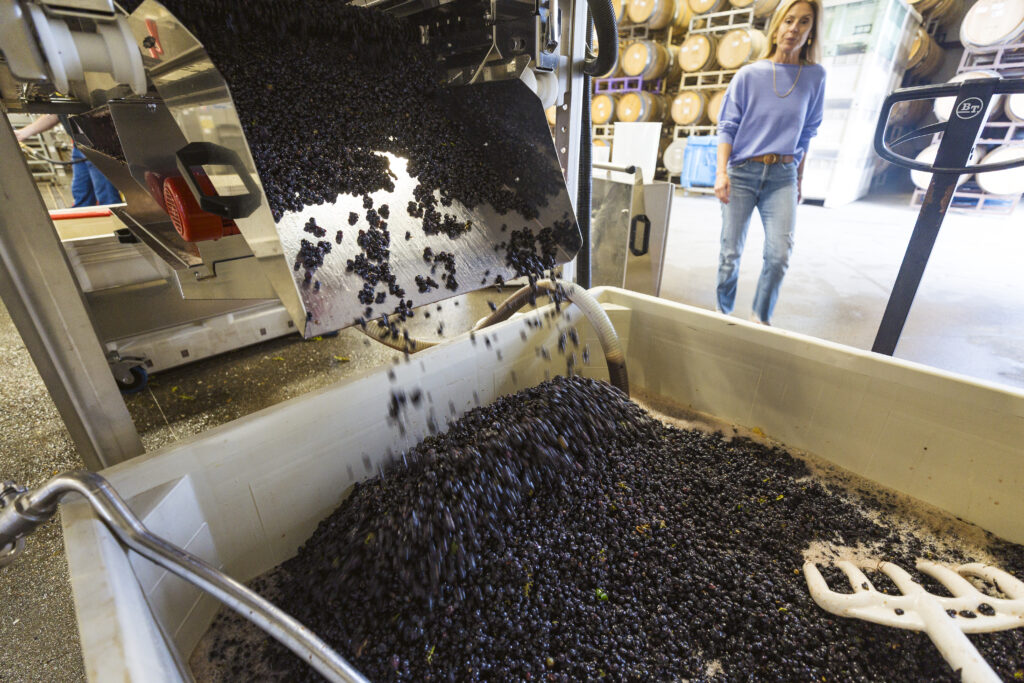
Getting there requires considerably more than an interesting source. Oceano winemaker Rob Fischer brings more than 25 years of experience, including at Etude and Cuvaison, to wines that must be built with their eventual alcohol removal in mind. The 2024 wines are made from grapes hand-harvested at night and aged for 18 months in French oak. Barrel fermentation, full malolactic fermentation and weekly lees stirring help develop the Chardonnay’s texture.
Those decisions represent time and care invested before alcohol removal begins. The next challenge is protecting the aromatic detail that helps give the wine its identity, rather than losing what the vineyard and cellar work have contributed.
Oceano uses Solos’ patented Aroma Recovery System, which captures delicate aroma compounds and restores them after gentle alcohol removal through vacuum distillation. Oceano was the first brand to release wines made in the United States using the technology. For a producer pursuing vineyard expression, preserving that aromatic fingerprint is central to the undertaking.
Then comes the work of bringing the wine into balance. Measured amounts of varietal must concentrate contribute perceived roundness, while minimal yeast proteins support texture. The adjustments are balanced against acidity to retain a dry finish. The 2024 Chardonnay finishes at two grams per liter of residual sugar; the Spanish Springs and Gap’s Crown Pinot Noirs each finish at one. All are below 0.5% ABV.
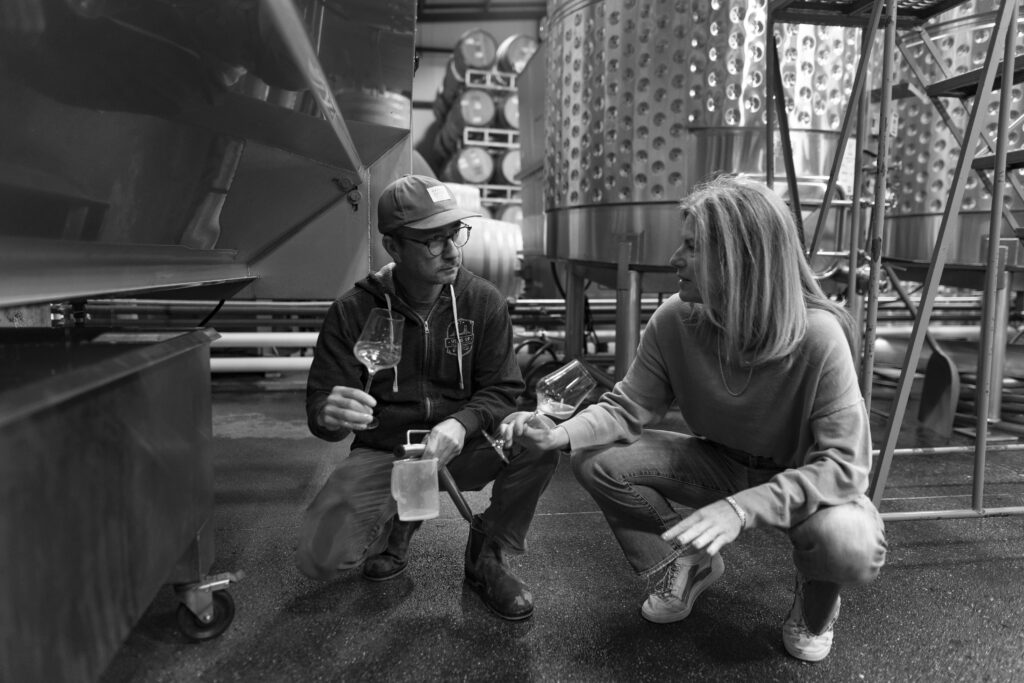
The result deserves to be assessed where wine earns its place: in the glass and at the table. Oceano Zero is already poured in fine-dining settings, including Navio at The Ritz-Carlton, Half Moon Bay, which carries the collection.
Navio Lead Sommelier Marco Mendoza described the new releases as “among the first alcohol-removed wines I’ve tasted that deliver the vineyard character, balance and layered flavors I’d expect from a premium California wine.” For anyone who has been waiting for a reason to revisit non-alcoholic wine, that is a compelling place to start.
Oceano is investing in taking the proposition further. A 2026 funding round led by Shifting Sands Capital supports expanded production, retail and hospitality growth, and continued innovation. New relationships with Walala and Fogstone vineyards will broaden the coastal sourcing program, creating possibilities for further discovery.
That is a bigger ambition than adding another bottle to the NA shelf. Oceano is opening more of wine’s world to people who want to take part: the pleasure of finding a vineyard you love, following a producer’s next release and bringing a bottle to dinner because you can’t wait for someone else to try it.
Choosing NA should leave all that curiosity intact. Oceano is giving it somewhere to go, from the Pacific-cooled slopes of Spanish Springs to the wind and fog of Gap’s Crown. “Red or white?” was never enough of a conversation for wine lovers. With Oceano, the next question is which vineyard.
Explore the collection at oceanowines.com.
This sponsored article was presented by Oceano Wines.
Follow The Daily Pour:
About The Daily Pour
Founded by Dan Abrams, The Daily Pour is the ultimate drinking guide for the modern consumer, covering spirits, non-alcoholic and hemp beverages. With its unique combination of cross-category coverage and signature rating system that aggregates reviews from trusted critics across the internet, The Daily Pour sets the standard as the leading authority in helping consumers discover, compare and enjoy the best of today's evolving drinks landscape.