What Is Kanna? Inside the Mood-Boosting Botanical Making Its Way Into Alcohol-Free Drinks

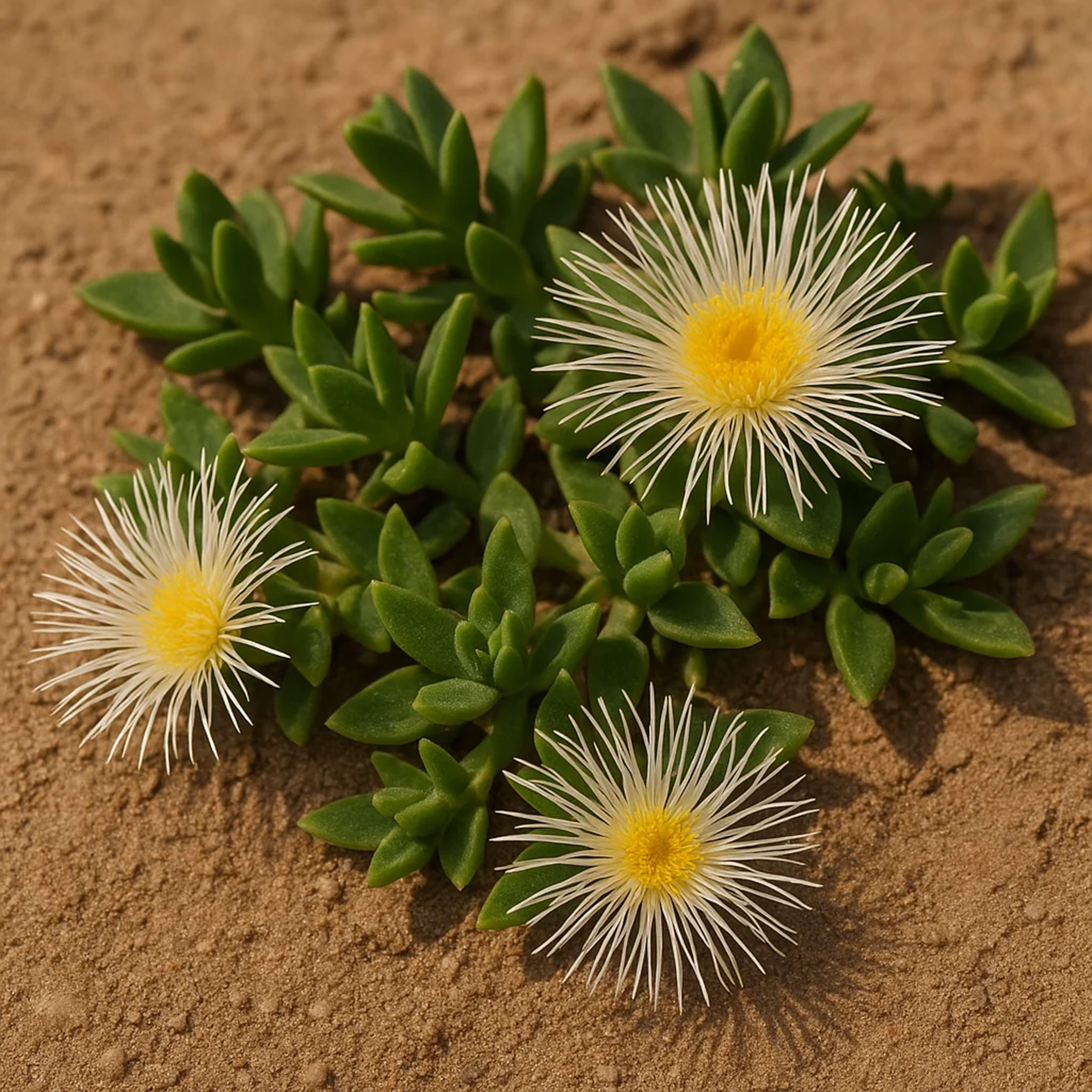
(Image: Myce)
As today’s consumers continue to rethink their relationship with alcohol, a new wave of functional ingredients is making its way into the beverage world. One botanical in particular has recently started garnering attention: Kanna.
Native to South Africa, Kanna, botanically known as Sceletium tortuosum, has been used for generations by indigenous Khoisan communities for its calming and mood-boosting properties. Today, it is finding a new audience in Western markets as brands look to create alcohol-free drinks that help people unwind and socialize.
The rise of functional beverages has created a new category for consumers seeking more intentional drinking experiences. Rather than reaching for alcohol, coffee or a THC beverage, many people are now seeking drinks that support relaxation, focus and mood while allowing them to stay present without the effects that come with other beverages. As that shift continues, ingredients like Kanna are becoming increasingly relevant in conversations about the future of beverages.
Kanna contains compounds called mesembrine alkaloids, which researchers believe may interact with the body’s serotonin pathways involved in mood and stress response. While research is still developing, studies have explored its prospective effects on stress, anxiety, mood and cognitive function.
To find out more about Kanna, we sat down with Samuel Echhorn Bilodeau, the founder of Myce, a beverage brand centered around the botanical.
“Kanna is still new to many consumers, so we’re excited to help explain it in a way that feels clear, grounded and approachable,” Bilodeau said.
Bilodeau describes Kanna — the botanical itself — as having an “earthy and slightly bitter flavor,” but he says that’s not what beverage developers are trying to highlight. The focus is on building a balanced drink where the botanical works alongside the flavor profile rather than overpowering it. Unlike ingredients that are simply added for flavor, Kanna is used primarily for its effects on mood.
“The goal is not to make a drink that tastes like Kanna by itself,” Bilodeau explains, but “to integrate Kanna into a balanced formulation where the botanical character supports the sensory experience while the functional effect becomes the main story.”
That functional effect is why Kanna is beginning to stand out in the growing alcohol-free space. While it’s often compared to ingredients like Kava or GABA, Bilodeau says those comparisons only go so far.
“Kava comes from the root of a Pacific Island plant and is generally associated with body relaxation and a heavier calming effect. Kanna tends to feel lighter, brighter and more social,” he said. “GABA, meanwhile, isn’t a plant. It is a neurotransmitter, a chemical messenger already present in the body. Kanna is a whole botanical with naturally occurring alkaloids that may influence mood pathways in a more complex way.”
While these ingredients are often grouped under the umbrella of functional wellness, each can offer a different experience. Understanding those differences may help consumers make more knowledgeable decisions about which beverages best fit their lifestyle and what kind of effect they’re looking for.
Rather than producing intoxication, Kanna is intended to encourage a slight change in mood.
“People often describe it as a softening of stress, a clearer mood or a sense of being more open and present,” Bilodeau said. “We think of it more as a social ease ingredient: something that can help people feel relaxed, connected and grounded while still remaining clear-headed.”
For those trying Kanna for the first time, Bilodeau recommends approaching Kanna without expecting an overwhelming effect. Instead, he encourages consumers to pay attention to subtle changes: “Kanna is not about losing control. It is about noticing a gentle shift.”
As the interest in mindfulness in drinking continues to grow, Bilodeau believes Kanna is arriving at the right time.
“Many people want something that fits between alcohol, coffee and traditional wellness products,” he said. “They want to socialize without drinking as much alcohol. They want to unwind without feeling sedated.”
Still, he emphasizes that education is just as important as innovation. Kanna isn’t for everyone, and people who are pregnant, breastfeeding or taking medications that affect serotonin should speak with a health care provider before trying Kanna.
“The opportunity is not to overhype it, but to explain it honestly,” Bilodeau said. “Kanna is a mood botanical that can help create a calmer, more connected beverage experience.”
While the category is still in its early stages in the U.S., Kanna is quickly becoming one of the functional beverage industry’s most intriguing ingredients, and one worth keeping an eye on.
Follow The Daily Pour:
About The Daily Pour
Founded by Dan Abrams, The Daily Pour is the ultimate drinking guide for the modern consumer, covering spirits, non-alcoholic and hemp beverages. With its unique combination of cross-category coverage and signature rating system that aggregates reviews from trusted critics across the internet, The Daily Pour sets the standard as the leading authority in helping consumers discover, compare and enjoy the best of today's evolving drinks landscape.