Are Functional Beverages Actually Good for You?

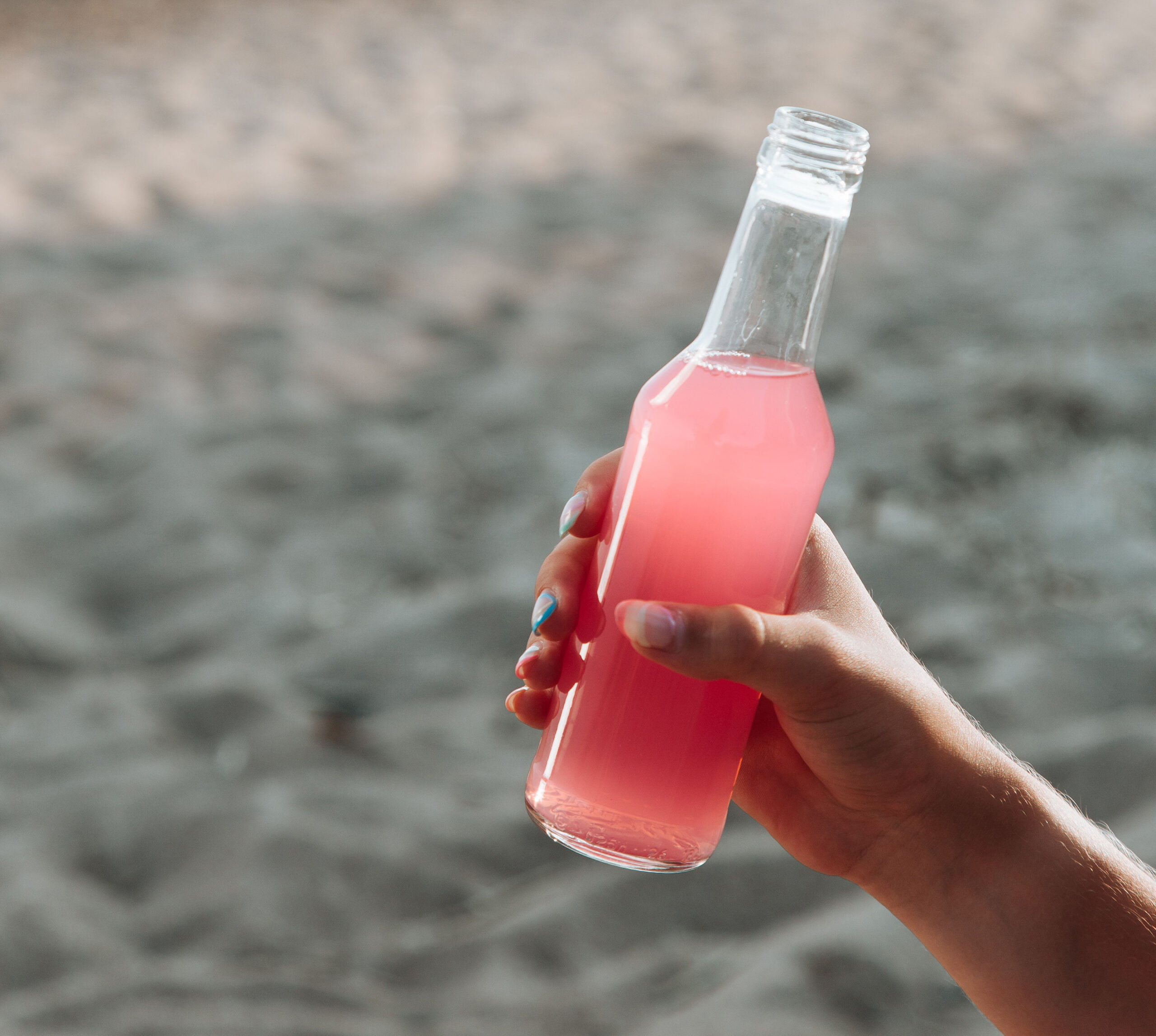
(Photo: Pexels/Ron Lach)
The Venn diagram of sober-curious folks and wellness fanatics is nearly a perfect circle. We’ve traded the three-hour martini lunch for stabbing a $20 salad with a biodegradable fork and washing it down with a $10 “functional” soda that promises to lower your blood sugar, reduce inflammation and take the edge off, no alcohol needed.
The sober-curious movement coincided with the explosion of the non-alcoholic drink market, which also coincided with the colloquial redefinition of the word functional. In other words, society changed its relationship with booze at the same time expensive sodas became a thing.
When Flavor Stops Being Enough
As cofounders of a botanical drink brand, my husband and I are asked about the “function,” “benefits” and “adaptogens” in our drink every time we do a tasting or brand activation. My husband’s new go-to line when this subject comes up is that he’s just a dude in a hoodie selling artisanal goods at a farmers’ market, not a doctor.
Each time I get these questions, I want to go on a long rant that “botanical” isn’t a synonym for “functional,” that there are less than a dozen true adaptogens, and for someone to actually benefit from adaptogens, they need to consistently consume a certain dosage for extended periods of time to *maybe* notice marginal benefits because the real magic happens after 90+ days and lifestyle changes.
But instead, I settle for a simple, “Our function is flavor!” remark, encouraging consumers to evaluate the complex flavors, rather than focus on what the ingredients might do for them.
Rachelle Robinett, a registered herbalist with the American Herbalist Guild, has spoken about adaptogens and functionals long before they were buzzwords.
“Many of the products claiming to be adaptogenic were born of good intentions, but have become misleading and without proper dosing or personalized recommendations, they’re often useless or at worst, harmful,” Rachel wrote in her 2018 article, “The Truth About Adaptogens.”
Adaptogens like Ashwagandha may promote relaxation when taken regularly, but may also worsen hyperthyroidism symptoms. Ginseng may reduce inflammation and support brain function, but it can also have negative side effects for people who have diabetes or take SSRIs.
Maybe the rise in functional beverages speaks to the human desire for a quick fix. A soda that promises to lower our blood sugar can be a lot more appealing than seeing a nutritionist or doctor to address underlying medical issues.
“There’s a spectrum of options between cocktails and functional medicine; the NA market exists somewhere in the middle,” Robinett continues, “If we’re replacing alcohol with a functional, or ‘functional’ beverage, great! If we want to do even better than that, we can. If we’re seeking something truly healthy—rather than replacing a health-harming choice with something better—functional beverages of the NA market or grocery store variety are rarely where it’s at.”
It seems we have stopped drinking beverages for taste and started expecting them to fix us.
The Optimization Trap
“People aren’t necessarily asking for ‘functionals’ or ‘adaptogens,’ but they’re looking for something relaxing or uplifting,” says Aqxyl Storms, cofounder of Brooklyn non-alc bottle shop Minus Moonshine, “Customers say things like, ‘I’m looking for something to feel social with friends’ or ‘Do you have anything to help me relax at the end of a long day, like a nightcap?’” Perhaps the increase of screen-based, digital socializing has people seeking a booze-free social lubricant to interact with fellow humans.
Charlotte Mizrahi, beverage formulator and cofounder of Ley Line Labs, posits that the increased desire for functional beverages might coincide with economic uncertainty and our human desire for small luxuries. “There’s a perceived value with added functionality because of the cultural focus on optimization,” she says, “The thought that it also contributes to one’s optimization through nutritional goals like protein intake or functions for mood can help justify the purchase.”
Mizrahi raises the point that the rise in our desire for functional drinks might connect to our desire to gamify everything. We can’t just eat a balanced meal three times a day. We have to log those meals in apps while our Oura rings analyze biometric data to ensure optimal performance so we can create content about it on social media. But my question still remains: Why can’t we just eat more beans or chicken instead of buying protein popcorn “made” by influencers? Why can’t we eat more broccoli instead of sipping prebiotic drinks financed by venture capitalists?
Pay Attention to What You Like — And Don’t Like
By thoughtfully evaluating flavors and asking ourselves what we like about foods and drinks, we can encourage flavor-first innovation from beverage brands. Otherwise, we’ll keep drinking carbonated sugar slop with tenuous, unregulated claims. In the same way that the popular children’s show, Cocomelon, considers data analytics and SEO when creating its programming, prioritizing function over flavor allows Big Soda to keep selecting your soda flavors based on algorithms. Do we really want algorithm-flavored sodas?
I study, learn from and believe in herbal medicine. But most herbal drinks are not herbal medicine. We lose the joy of an interesting flavor profile when we ask that flavor to solve our problems.
Until the U.S. cracks down on these “functional” claims the way Europe has, it’s up to consumers to identify misleading labels. If consumers continue to be misinformed about pseudoscience and rely on perceived function over flavor, more mass-produced mimicry will fill shelf space rather than flavor-first innovation.
Life is short. Buy the fancy soda if you want — just don’t hitch your health and happiness to it.
Follow The Daily Pour:
About The Daily Pour
Founded by Dan Abrams, The Daily Pour is the ultimate drinking guide for the modern consumer, covering spirits, non-alcoholic and hemp beverages. With its unique combination of cross-category coverage and signature rating system that aggregates reviews from trusted critics across the internet, The Daily Pour sets the standard as the leading authority in helping consumers discover, compare and enjoy the best of today's evolving drinks landscape.