English Whisky Wins Legal Protection, Sparking Backlash From Scottish Distillers

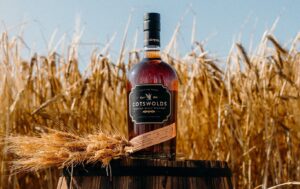
(Photo: Cotswolds)
A war of words between English and Scottish distillers erupted over the weekend following the creation of a new legally protected whisky category.
On Friday, the UK’s Department for Environment, Food and Rural Affairs recognized the terms “English Whisky” and “English Whiskey” with a geographical indication status. Much as tequila can only be made in Mexico and Champagne in France, English whisky is now a protected category that can only be made in England using specific production methods.
The English Whisky Guild submitted its application for the recognition over six years ago and calls the long-awaited approval a “landmark achievement” for “the quality and innovation across our growing industry.”
Not everyone was quite as enthusiastic. Days after the category was approved, the Scotch Whisky Association told The Telegraph that it was “profoundly concerned” about the decision, doubling down on previous comments that it would “robustly defend itself against any devaluation of the Single Malt category.”
For a brand to qualify as English whisky, all of its cereal grain must be grown in the UK, distilled at a single distillery and aged in England for at least three years. Maturation must occur in wooden casks with a maximum capacity of 700 liters, and if distillers choose, whisky can be transported in bulk containers for bottling in export markets.
Notably, British regulators have extended leeway for the mashing and fermentation of grain, which is allowed to occur at locations other than the primary distillery.
This step differs from single malt whisky regulations in Scotland, where it’s required that liquid be mashed, fermented and distilled at a single site. Mark Kent, chief executive of the Scotch Whisky Association, believes that England’s rules are inconsistent with the reputation of single malt whisky, effectively undermining the standard of excellence that Scotch enjoys worldwide. The organization reportedly plans to meet with ministers this week to raise its concerns about the newly minted category.
“This is something which our counterparts in Wales and Northern Ireland agree with,” Kent added. “Following discussion with the Department for Environment, Food and Rural Affairs this week, we will further consider our position and next steps.”
England is the fourth and final UK nation to receive protected status for its whisky, following the example set by Scotch whisky, Single Malt Welsh Whisky and Irish Whiskey.
Andrew Nelstrop, the inaugural chairman of the English Whisky Guild and owner of England’s oldest registered whisky distillery, says that there’s no need for infighting. He maintains that the status of one category cannot be conflated with the status of another, adding that Scotch’s single malt status is unique even within the UK.
“Suggesting that Wales are with them in their stance is odd, given the vast majority of maturing Welsh whisky was made using wort from a brewery separate from the distillery and so follows our rules – not those of Scotch,” Nelstrop told The Telegraph.
“Any suggestion that English whisky in some ways may be inferior due to these rules is of course nonsense. English whisky, having won world’s best single malt three times in the last four years, paints a fairly accurate picture of who is perceived to be making a quality product.”
There are around 70 registered whisky distilleries in England, over 40 of which are currently selling fully matured whisky that abides by the three-year aging requirement. The total value of maturing stocks held in casks across England is estimated to be worth around £1 billion ($1.35 billion USD), and is focused primarily around the southwest of the island.
Follow The Daily Pour:
About The Daily Pour
Founded by Dan Abrams, The Daily Pour is the ultimate drinking guide for the modern consumer, covering spirits, non-alcoholic and hemp beverages. With its unique combination of cross-category coverage and signature rating system that aggregates reviews from trusted critics across the internet, The Daily Pour sets the standard as the leading authority in helping consumers discover, compare and enjoy the best of today's evolving drinks landscape.