‘American as Apple Pie’: Conservative Think Tank Urges Supreme Court to Legalize Home Liquor Distilling

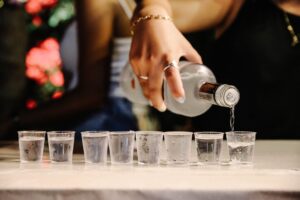
(Photo: Maor Attias/Pexels)
Earlier this year, the Fifth Circuit Court of Appeals overturned a 158-year-old prohibition on home distilling in the United States, setting the stage for a new category of federally permitted spirit made from the comfort of your neighbor’s garage. Less than two weeks later, the Sixth Circuit reversed course and upheld the ban.
A conservative think tank is now weighing in on the issue, urging the Supreme Court to make a ruling on what it provocatively describes as a “would-even-make-King-George-III-blush expansion of federal authority.”
On Monday, the Buckeye Institute petitioned the Supreme Court to choose a side in the circuit split over Ream v. U.S. Department of Treasury. The case centers on John Ream, a former aerospace engineer at Boeing, who hoped to produce bourbon and rye whiskey using a home distilling setup. His plan brushed up against an anti-tax evasion law passed in 1868, which threatens the hobby with up to $10,000 in fines and five years’ imprisonment.
“The Sixth Circuit’s erroneous decision in Ream sweeps away limitations on Congress’s ability to regulate or prohibit activities — from home cooking to child-care — under the guise of taxing them,” Andrew M. Grossman, senior legal fellow at The Buckeye Institute, wrote in a statement. “But with home distilling, the government bans people from performing a taxable activity in the name of collecting taxes. George Orwell might be proud of the irony here.”
The government has long claimed that home distilling can be used as a means to conceal taxable activity. Lawyers in the Fifth Circuit case argued that home producers could mask a spirit’s strength, thus avoiding the proportionate tax rate, or hide a distilling operation altogether.
The Buckeye Institute, alongside groups like the Hobby Distillers Association, believes that the law is an unconstitutional use of federal power. The purpose of a tax is to raise revenue for the government — not, Buckeye argues, to issue a de facto ban on activities deemed unsavory by the state. Lead attorney Robert Alt says that the statute outlaws local, noncommercial activity in the guise of regulating interstate commerce.
“The federal government threatens Mr. Ream with years in prison and thousands of dollars in fines if he were to experiment with this George-Washington-approved activity, which is as American as apple pie and certainly predates even that beloved baked good,” Buckeye added.
If and when the Supreme Court weighs in on the case, it’s important to remember that the sale of home distillates will remain illegal regardless of the outcome.
One of the few guiding examples is West Virginia, which legalized the limited production of home distillates in 2024 as a celebration of the state’s moonshining heritage. The bill allowed residents 21 years or older to distill liquor for “personal or family” use, capped at five gallons per year for one-person households and 10 gallons per year for households of two or more.
Follow The Daily Pour:
About The Daily Pour
Founded by Dan Abrams, The Daily Pour is the ultimate drinking guide for the modern consumer, covering spirits, non-alcoholic and hemp beverages. With its unique combination of cross-category coverage and signature rating system that aggregates reviews from trusted critics across the internet, The Daily Pour sets the standard as the leading authority in helping consumers discover, compare and enjoy the best of today's evolving drinks landscape.