Trump’s Canadian Import Ban Takes Effect, Targeting Nearly $1 Billion in Alcohol and More

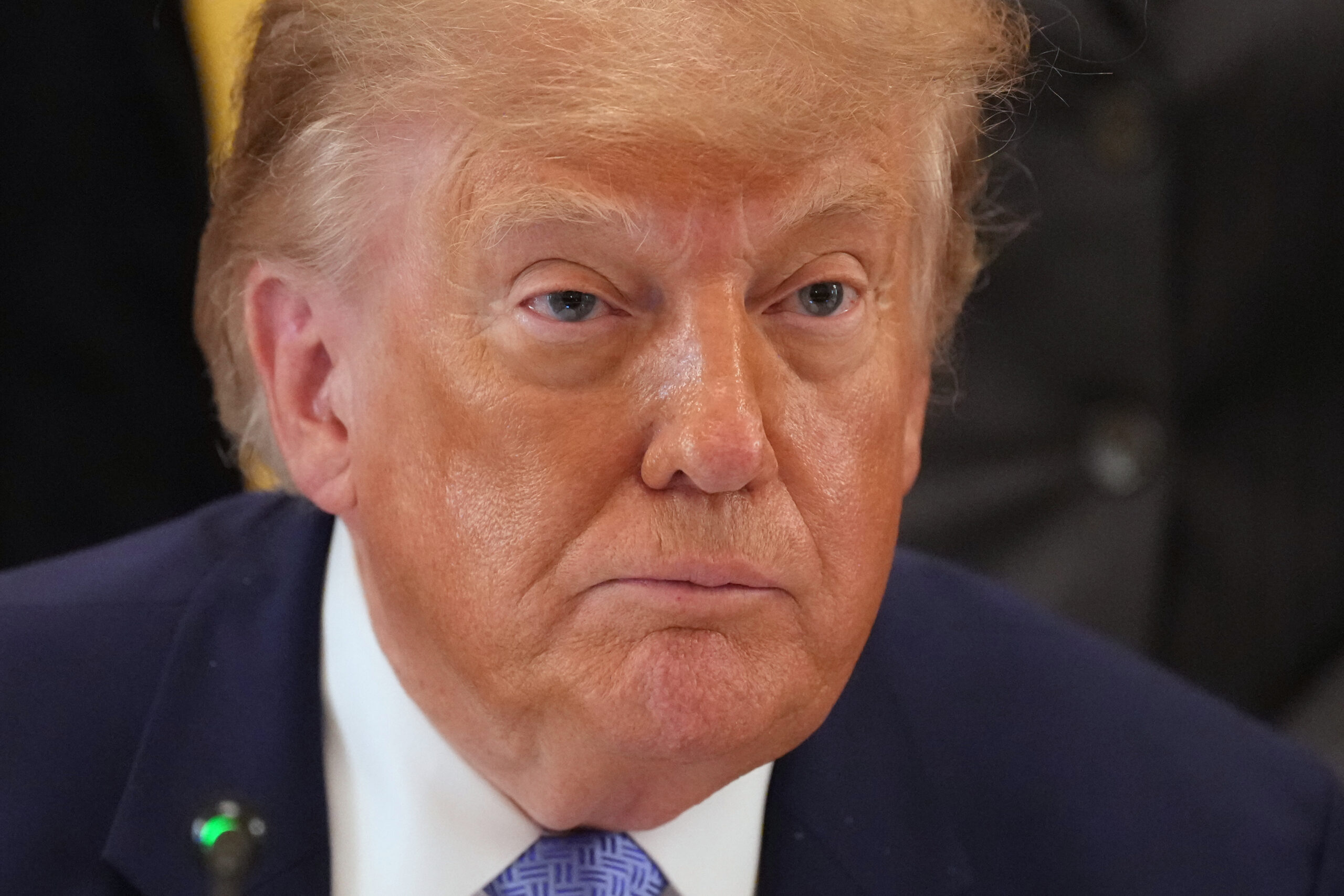
President Donald Trump speaks Sept. 29 in the East Room of the White House in Washington, D.C., during a meeting with top executives of AI firms. (AP Photo/Jacquelyn Martin)
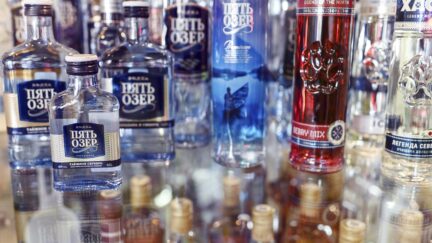
The United States has begun banning imports of certain Canadian alcoholic beverages, putting a new restriction on a trade relationship already strained by tariffs and retaliatory measures.
The alcohol ban took effect at 12:01 a.m. Eastern time Tuesday, Sept. 29, alongside restrictions on certain Canadian dairy products and motorcycles. The Associated Press estimates the three categories cover nearly $1 billion in Canadian imports based on 2025 trade data, with alcoholic beverages accounting for about 87% of that total.
The White House announced the alcohol import restrictions Sept. 8, saying certain Canadian alcoholic beverages subject to earlier 50% tariffs would instead be excluded from importation. The proclamation applies to goods imported on or after Sept. 29. Products imported before that date but not yet entered for consumption remain subject to the 50% duty.
The latest move follows a series of escalating trade measures between the two countries. President Donald Trump imposed additional 50% tariffs on certain Canadian alcoholic beverages in July, citing what his administration described as discrimination against U.S. alcohol by Canadian provinces.
For some Canadian alcohol producers, the new ban could make the U.S. market inaccessible. Patrick Childress, a trade attorney and former U.S. trade official, told the Associated Press that the 50% tariffs had already made importing some Canadian products uneconomical.
“The 50% was already acting as a de facto ban by making importation from Canada into the United States uneconomical,” Childress said.
The impact will not be uniform across the Canadian spirits industry, however. The Associated Press reported that some major brands have potential ways to continue serving U.S. customers through existing American operations or by shipping products in bulk for processing and bottling.
Crown Royal, owned by Diageo, can ship Canadian whisky in bulk to the United States for processing, while Labatt Brewing Co., owned by Anheuser-Busch InBev, has U.S. bottling operations. Neither parent company responded to the AP’s requests for comment.
That distinction could leave smaller Canadian distillers and brewers more exposed to the new restrictions.
Wolfhead Distillery, located in Amherstburg, Ontario, just across the Detroit River from Michigan, has already stopped shipping whisky to the state because of the trade measures, according to the Associated Press.
“We are a border town. The Americans are great friends of ours, and they visit our distillery on a daily basis,” Danielle Moldovan, the distillery’s director of marketing, told the Associated Press.
Moldovan said prospective business with buyers in Georgia and Michigan has been put on hold while the company waits for more clarity on the duration and scope of the ban.
The restrictions come as the United States and Canada face a dispute over the future of the U.S.-Mexico-Canada Agreement. The trade pact allows most goods to cross the three countries’ borders without tariffs, but the Trump administration’s tariff actions have complicated the outlook for the agreement.
Follow The Daily Pour:
About The Daily Pour
Founded by Dan Abrams, The Daily Pour is the ultimate drinking guide for the modern consumer, covering spirits, non-alcoholic and hemp beverages. With its unique combination of cross-category coverage and signature rating system that aggregates reviews from trusted critics across the internet, The Daily Pour sets the standard as the leading authority in helping consumers discover, compare and enjoy the best of today's evolving drinks landscape.