Ready-to-Drink Cocktails Are Propelling Stagnant Booze Sales — But Is That Sustainable?

(Photo: Jim Beam)
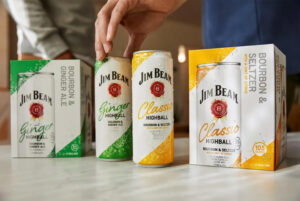
Greg Hughes, CEO of Jim Beam owner Suntory Global Spirits, says that ready-to-drink cocktails are growing fast enough to offset overall declines in spirits sales. The shift has taken hold around the world as spirits conglomerates scramble to diversify their portfolios into the up-and-coming worlds of pre-mixed margaritas and vodka sodas.
“RTD is big enough that it’s driving total spirits category growth,” Hughes told Global Drinks Intel. “So while full-bottle spirits are slightly down – in most developed markets by a few percentage points – growth is enough on RTD that it’s pulling total spirits into growth.”
The trend was plain as day in Suntory’s first-half financial results, released earlier this week. The spirits giant behind Jim Beam and Hornitos posted a marginal 0.2% uptick in revenue in its alcoholic beverages division, while its operating income fell sharply by 24.6%. Ready-to-drink cocktails were one of the few promising outliers. The company reported a 10% volume growth in Japan for its -196 brand of vodka drinks, frequently cited as the best-selling RTD worldwide.
A similar story is playing out at Diageo, the British firm famous for Casamigos, Guinness and Johnnie Walker. The conglomerate recently announced a 21% drop in tequila sales, a 15.9% drop in Canadian whisky sales and a 1% drop in vodka sales. During the same time frame, it reported an astonishing 35.1% uptick in ready-to-drink sales, thanks in part to tie-in releases with the World Cup and the launch of miniature-sized Ketel One and Bulleit cocktails.
“Double-digit growth” isn’t a phrase that you hear all that often in the alcohol industry these days. Be it beer, wine or liquor, alcohol demand has continued to slide from an unprecedented peak at the onset of the COVID-19 pandemic. Even tequila — long viewed as the uniquely trendy exception — has begun to show signs of a slowdown.
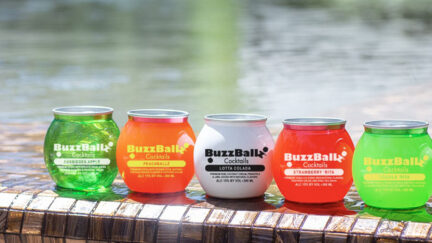
Executives have been quick to hedge their bets on ready-to-drink alternatives. In 2024, Buffalo Trace owner Sazerac purchased BuzzBallz in a deal valued at over $500 million. A little over a year later, brewing juggernaut Anheuser-Busch InBev shelled out a reported $490 million for an 85% stake in BeatBox, plus a five-year path to full ownership contingent on sales figures.
BuzzBallz and BeatBox are now the best-selling and second-best-selling pre-mixed cocktails in the United States, respectively.
Suntory CEO Greg Hughes says that the U.S., Japan and Oceania are currently the three largest markets for RTDs, noting that countries like India have been slow to adopt the format. Nonetheless, he believes that the convenience factor is strong enough to continue propelling RTDs as a genuine worldwide phenomenon.
“In developed markets, most of the growth in beverage alcohol right now is in RTD, and that’s consumers moving towards flavour and convenience and the options that RTDs provide,” Hughes remarked. “As consumers start to look for more flavour, convenience and the experiences they want on-demand, you’re seeing them moving to RTD.”
Follow The Daily Pour:
About The Daily Pour
Founded by Dan Abrams, The Daily Pour is the ultimate drinking guide for the modern consumer, covering spirits, non-alcoholic and hemp beverages. With its unique combination of cross-category coverage and signature rating system that aggregates reviews from trusted critics across the internet, The Daily Pour sets the standard as the leading authority in helping consumers discover, compare and enjoy the best of today's evolving drinks landscape.