5 Tequila Trends to Look Out For in 2026, From Lawsuits to Unusual Yeasts

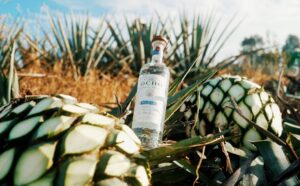
(Photo: Tequila Ocho)
Tequila, the quintessentially Mexican spirit, has firmly cemented itself in the hearts of American consumers.
Amid a whirlwind of declining consumption and trade tensions, it’s one of the only liquor categories projected for continued growth in years to come. Growth, however, usually isn’t built on past successes, especially for a spirit that was virtually unknown to many consumers prior to the turn of the century. The future of tequila will be built on innovation, risky gambles and — let’s face it — a boatload of gimmicks that probably won’t pan out.
So what can consumers expect from the fast-changing tequila landscape in 2026?
We published a similar roundup earlier this year, in which we identified the death (and rebirth) of additive-free tequila, the rise of uncertified distillates, single-estate brands, non-Mexican distillers and NA alternatives as the prevailing trends of 2025. In hindsight, we’d say that all turned out to be true in some form or another. In addition to the above, here are five new trends that we expect to redefine the market over the next few months.
1. Lawsuits Galore
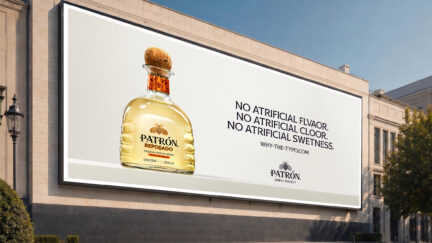
Legal drama devoured every nook and cranny of the tequila industry in 2025. What began as a debate over additive-free testing has turned into an ugly, cross-border battle that’s involved independent watchdogs, brands and advertisers, all of whom have been left in limbo as myriad lawsuits are fought out in court. There’s far too much happening to sum up in a single article, so if you’re interested in learning more, direct your attention to the cases of Grover Sanschagrin and Patron.
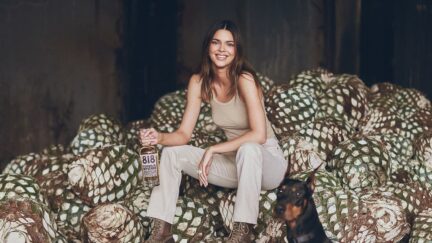
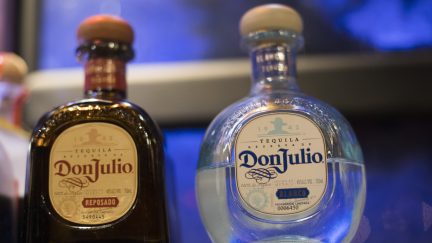
Of all the stories that have splintered from the drama, the most noteworthy is a series of class action suits lodged against prominent tequila makers. Over the past six months, Don Julio, Casamigos, Cincoro, 818, Lunazul and Cincoro have been accused of misleading consumers in separate suits filed across the United States. Each of the filings tells a similar story: That bottles advertised as “100% Blue Weber agave” are being adulterated with significant amounts of cane-derived alcohol. The allegations, purportedly verified by lab testing, would result in millions of dollars worth of payouts to consumers if proved true in court. Involved brands and regulators have fiercely denied the charges.
But here’s the kicker. Insiders have suggested that at least 15 brands (including the six publicly named) are implicated in the alleged scandal. Up until now, consumers have filed the class action lawsuits piecemeal, lodging a new accusation every month or so in an apparent effort to drum up dedicated media attention. Whether or not the suits are proven in court, it’s all but certain that there are more — potentially many more — to come throughout 2026.
2. Agave From Beyond Jalisco
Over 90% of tequila is grown and distilled in the state of Jalisco. The region’s highlands are synonymous with bright, fruit-forward tequilas, while its lowlands are renowned for their earthy, mineral bite and peppery finish. Terroir — a word once associated exclusively with the wine world — has taken on great importance in the agave spirits vocabulary. But what of Mexico’s four other legally certified, tequila-producing states?
2025 was the year that major brands took the plunge. In September, Mijenta launched an expression that combined agaves from Michoacán, Tamaulipas, Nayarit, Guanajuato and Jalisco, while Tequila Ocho announced a Terroir Select series that plans to highlight local ranches outside of its home state. Lagrimas del Valle, one of our latest favorites, has taken a similar approach, releasing annual batches that recruit agaves from a single field in different regions.
If the trend continues, agave geography will play a big role in 2026 and beyond. It allows distillers the opportunity to double down on their transparency bona fides, all while exploring new flavor profiles that give a leg up on the competition. In an era where standing out from the crowd is half the battle, new agave regions may be the long-overlooked key to success.
3. Tahona Talkin’
For a pure, uncut taste of old-school tequila, most aficionados would direct your attention to the tahona. Used at many of the best distilleries across Mexico, the two-ton volcanic stone wheel is a milling method that slowly but surely extracts juice from roasted agave hearts. Fans claim that the wheel results in the best possible distillate, creating a spirit rich in characteristic agave flavor, floral notes and silky smooth sweetness.
Thanks in no small part to brands like El Tesoro and Fortaleza, the tahona has turned into an instantly recognizable icon. It should come as no surprise, then, that established players want a slice of the volcanic pie.
Jose Cuervo — a distiller that’s very much not associated with the technique — recently forayed into the category with Maestro Dobel Tahona, while brands like Viva Mexico and Tres Generaciones made similar gambles with one-off, limited-edition releases. Many reviewers (ourselves included) noted that these were the best bottlings that the respective brands had ever helmed. Though it’s unlikely that any of the above will convert to the tahona outright, the growing popularity of the wheel among legacy players suggests that more bottlings are soon to come from unexpected places.
4. Tall Bottles Continue to Dominate
The liquor industry is facing its toughest headwinds in decades. A potent combination of trade tensions, inflation, weight-loss drugs and marijuana legalization has impacted drinking across the globe, resulting in layoffs and cutbacks for mom-and-pop distillers and major players alike.
One of the few success stories? Don Julio. The Diageo-owned brand reportedly grew from two million cases in 2022 to over five million in 2025, making it one of, if not the, largest ultra-premium tequilas by volume. Much of that success has been predicated on the popularity of its iconic Don Julio 1942, a nearly foot-and-a-half-tall bottle that costs a neat $200 most places spirits are sold.
It’s a telling example of where the market is headed. As cheaper options (Cuervo, Sauza, etc.) gain popularity among budget-minded consumers, expensive options are only getting pricier and, quite literally, taller. Established players like Don Julio and Clase Azul are contending with a new generation of would-be luxury darlings, many of which are packaging their spirits in the kind of ornate decanters found at the club or especially chic flower shop. Call it “premiumization” or call it the tequila wealth gap — however you frame it, there’s no denying that bottles are turning into boozy skyscrapers.
5. Funky, Flashy and Otherwise Unusual Yeasts
Yeast type is one of the least-mentioned production details when it comes to tequila. And understandably so. Though it’s a fundamental building block of all alcohol, yeast doesn’t have the flashy, easy-to-explain allure of, say, a giant green plant or an ex-bourbon cask. There simply isn’t anything all that exciting about a dusty pile of fungus used to activate glucose molecules. Thus, yeast is often treated as a nerdy afterthought, the kind that a spirits influencer might explain without diving too far into the nitty-gritty.
That’s beginning to change. Over the past few years, distillers have begun venturing into the great yeasty unknown, producing new flavor profiles that are a whole lot easier to appreciate than the ingredients used to make them. LALO and Volcan de Mi Tierra, two icons of the additive-free tequila scene, have made a name for themselves with champagne yeast, which accentuates bright and floral undertones on the palate. Elsewhere, we’ve seen the boundary-pushing launch of Cachasol. Co-founded by an alum of Dogfish Head Brewing, the tequila integrates IPA yeast in the fermentation process, yielding a spirit rich in crunchy, vegetal hints of okra, artichoke, tarragon and dill.
The possibilities are limitless. As distillers continue to experiment with unusual yeast types, consumers will begin to reassess what really makes the difference in a great bottle of tequila.
Follow The Daily Pour:
About The Daily Pour
Founded by Dan Abrams, The Daily Pour is the ultimate drinking guide for the modern consumer, covering spirits, non-alcoholic and hemp beverages. With its unique combination of cross-category coverage and signature rating system that aggregates reviews from trusted critics across the internet, The Daily Pour sets the standard as the leading authority in helping consumers discover, compare and enjoy the best of today's evolving drinks landscape.