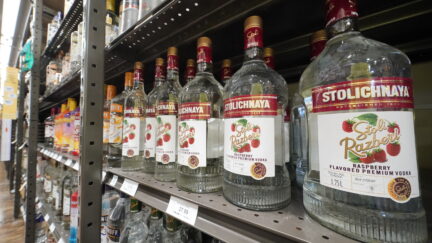
Trump’s 50% Alcohol Tariff Could Hurt Canadian Farmers

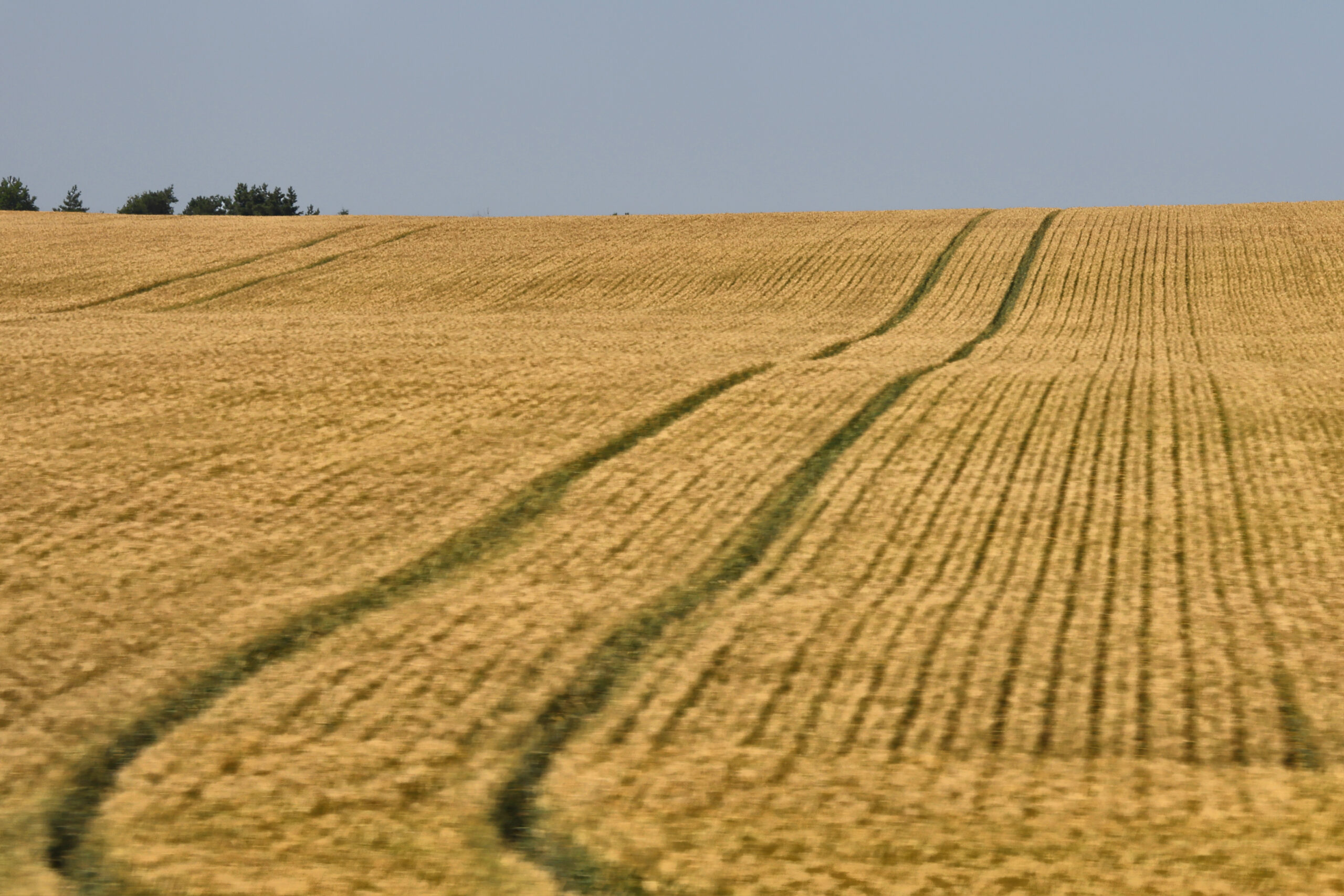
Wheat field in Port Hope, Ontario, Canada, on July 11, 2026. (Photo: Creative Touch Imaging Ltd./NurPhoto via AP)
Canadian farmers are at risk of feeling the impact of the United States’ 50% tariff on Canadian alcohol as weaker exports reduce demand for crops used to make beer and spirits, an agriculture industry official warned.
The tariffs, which took effect Aug. 22, apply to Canadian alcoholic beverages including spirits and spirits-based ready-to-drink products. The United States is Canada’s largest spirits export market, accounting for 93% of the country’s total spirits exports, according to Spirits Canada.
Kate Sauser, policy manager with the Grain Growers of Canada, told 620 CKRM that the effects on farmers may take time to emerge but could eventually reach the fields.
“It will take some time to see the impact, but we’re a little worried to see where this is headed,” Sauser said.
Corn, rye, barley and wheat — those commonly used in beer and spirits production. If Canadian distillers and brewers lose access to the U.S. market or see demand decline because of the tariffs, Sauser said that could eventually reduce demand for Canadian agricultural products.
“The lessening demand from the export market will eventually trickle down to lessening demand for these crops in the value-added space,” she said.
Rye Farmers Face the Most Risk
Canadian farmers planted about 25 million acres of wheat this year, compared with just 339,000 acres of rye, according to data cited by 620 CKRM.
While wheat has numerous markets and uses, rye is a much smaller crop, and whisky is an important outlet for Canadian rye production.
Sauser said prolonged tariffs could therefore influence farmers’ planting decisions in the coming years.
“It might throw a fork in the plan for some farmers when they’re making their crop decisions in the next couple of years if this stays in effect,” she told 620 CKRM.
The U.S. represents 48% of the country’s roughly $2 billion in annual spirits sales, according to Spirits Canada.
That makes the U.S. market particularly important for Canadian distillers and, by extension, the agricultural suppliers that provide their raw materials.
The situation is different for Canadian beer. Luke Chapman, vice president of federal affairs at Beer Canada, said the country’s brewing industry is primarily domestic and therefore has less exposure to the U.S. tariff.
“Beer is in a somewhat fortunate position in that we are a very domestic industry,” Chapman said, according to 620 CKRM. “Our trade exposure is pretty minimal.”
Canada exported about $29 million worth of beer to the United States in 2025, compared with roughly $9.1 billion consumed domestically.
Still, the tariff could create problems for individual breweries, particularly those in Quebec and the Maritimes that rely more heavily on U.S. sales.
“There are certainly individual brewing companies, particularly in Quebec and the Maritimes, that this will have a direct impact on the future of their business,” Chapman said.
Some Canadian breweries also produce beer for international brands using excess brewing capacity. That business could be affected if tariffs make Canadian-made beer less competitive in the United States.
Beer Canada has called on the federal government to eliminate Canada’s annual beer excise tax escalator as one way to support the industry.
Follow The Daily Pour:
About The Daily Pour
Founded by Dan Abrams, The Daily Pour is the ultimate drinking guide for the modern consumer, covering spirits, non-alcoholic and hemp beverages. With its unique combination of cross-category coverage and signature rating system that aggregates reviews from trusted critics across the internet, The Daily Pour sets the standard as the leading authority in helping consumers discover, compare and enjoy the best of today's evolving drinks landscape.