Canadian Alcohol Bans Cost US Wine and Beer Industries $582 Million in One Year

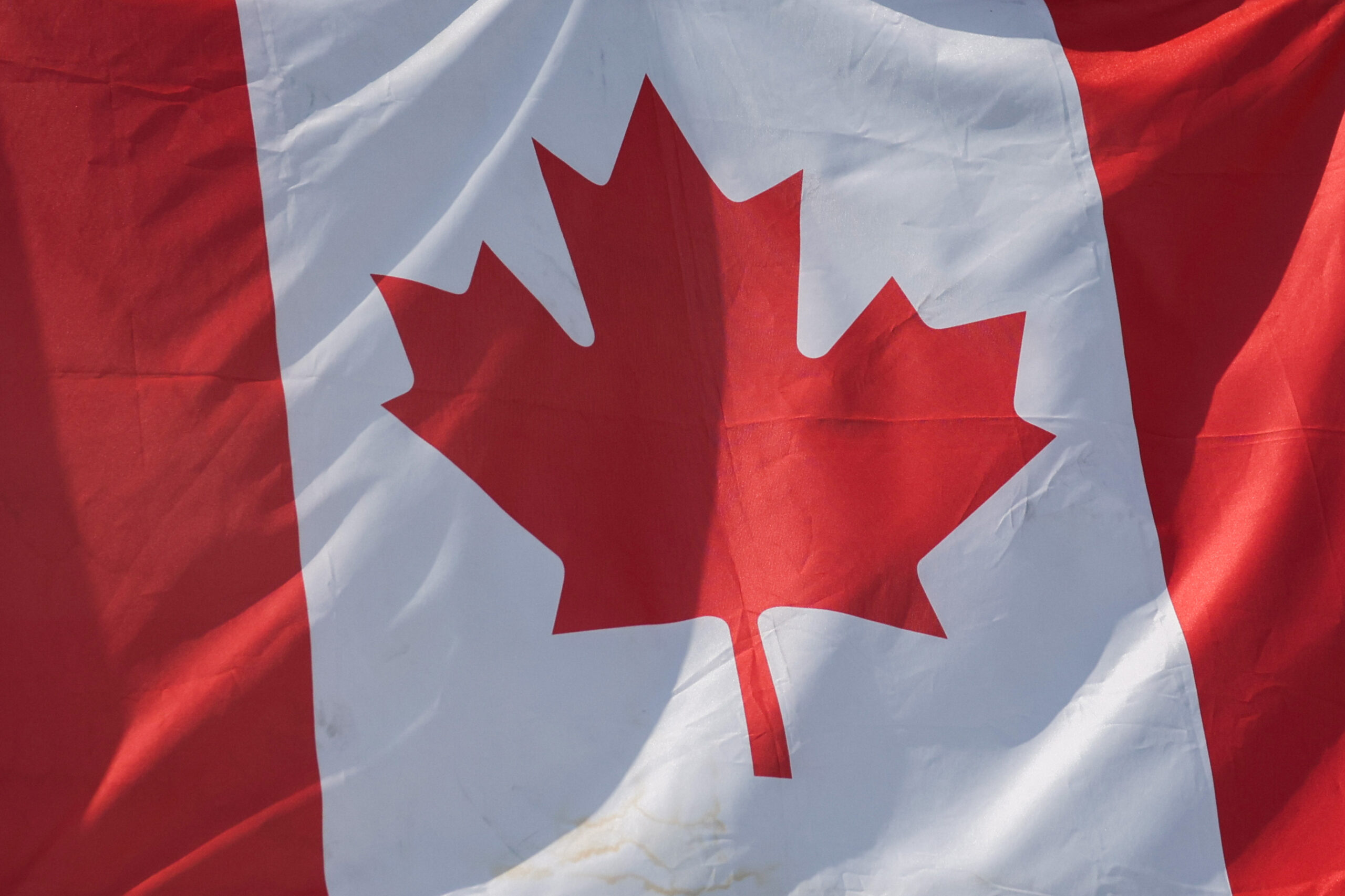
Flag of Canada is seen during Porsche Mobil 1 Supercup and Formula 1 Hungarian Grand Prix at the Hungaroring circuit in Mogyorod near Budapest on July 26th, 2026. (Photo: Beata Zawrzel/NurPhoto via AP)
U.S. wine and beer producers are facing a major trade disruption after Canadian provinces pulled American alcohol from their shelves, contributing to a $582 million drop in Canadian imports of U.S. alcohol over roughly one year.
According to the Capital Press, the figure was cited during an Aug. 13 call with Oregon and Colorado officials and comes as President Donald Trump prepares to impose an additional 50% tariff on certain Canadian goods, including wine, beginning Aug. 19.
The Canadian alcohol bans were imposed in response to Trump’s earlier tariffs on Canadian goods and affected eight of Canada’s 10 provinces, according to the Capital Press.
Jana McKamey, executive director of the Oregon Winegrowers Association, called the disruption the worst single-year disruption in the history of U.S. wine exports.
“This is the most catastrophic single year trade disruption in the history of U.S. wine exports,” McKamey said.
The impact has been particularly severe for wine producers. The Wine Institute estimated that U.S. wine exports to Canada fell 78% in 2025, resulting in approximately $357 million in lost sales.
Oregon was hit even harder. According to an Oregon Wine Board report, the state’s wine exports to Canada fell 83% in 2025 to about 13,500 cases.
The White House said Canadian imports of U.S. alcohol fell by $582 million from March 2025 through February compared with the same period a year earlier.
For U.S. producers, replacing Canadian demand has proven difficult. McKamey said wine that would normally have been exported to Canada cannot easily be redirected to the U.S. market because the domestic wine industry is already dealing with excess supply.
The trade disruption has also affected other parts of the alcohol industry.
Shawnee Adelson, executive director of the Colorado Brewers Guild, said tariffs have increased costs for items including cans, kegs and specialty brewing equipment.
Wine producers are also paying more for imported bottles, corks and barrels, McKamey said.
Those higher costs create a difficult choice for businesses: raise prices and risk losing customers or absorb the additional expenses and accept lower margins.
Bart Watson, CEO of the Brewers Association, said international trade has historically benefited American craft brewers, which rely on imported ingredients such as specialty hops and malt for certain beers.
The tariffs are adding pressure at a time when both the wine and craft beer industries are already dealing with weaker consumer demand and business challenges.
Consumers are also feeling the effects of the broader trade war. Oregon Treasurer Elizabeth Steiner said tariffs had added nearly $2,000 in costs for households over a year, leaving consumers with less money for discretionary purchases such as alcohol.
“Tariffs are bad for consumers, bad for businesses and bad for our state,” Steiner said, according to the Capital Press.
The impact extends beyond beverage alcohol. An Oregon tariff analysis released Aug. 3 found that importers in the state paid nearly $3 billion in tariffs between March and December 2025.
The analysis also found that expected benefits from the tariffs, including the reshoring of supply chains and related employment gains, had not materialized.
Farmers have faced higher costs for equipment such as tractors, combines and fencing, while fertilizer supply issues have also worsened.
Retaliatory tariffs have created additional challenges for agricultural exports to Asia, with some lower-margin products, including seed, hay, frozen fruit and frozen vegetables, becoming less competitive in those markets.
The latest U.S.-Canada tariff escalation comes as both countries continue negotiating over trade.
Trump has cited Canadian policies, including provincial restrictions on American alcohol, among his complaints about the country’s trade practices.
For U.S. wine and beer producers, the Canadian market remains particularly important, making the possibility of prolonged trade restrictions a significant concern.
McKamey said Oregon’s wine industry has long viewed international markets as an important part of its identity.
“It’s something that we want to be able to share with folks around the world,” she said.
Follow The Daily Pour:
About The Daily Pour
Founded by Dan Abrams, The Daily Pour is the ultimate drinking guide for the modern consumer, covering spirits, non-alcoholic and hemp beverages. With its unique combination of cross-category coverage and signature rating system that aggregates reviews from trusted critics across the internet, The Daily Pour sets the standard as the leading authority in helping consumers discover, compare and enjoy the best of today's evolving drinks landscape.