Q&A: Dante Catena on Non-Alc Wine, Zebra Striping and Why People Are Drinking Less

(Photo: Domaine EdeM/Instagram)
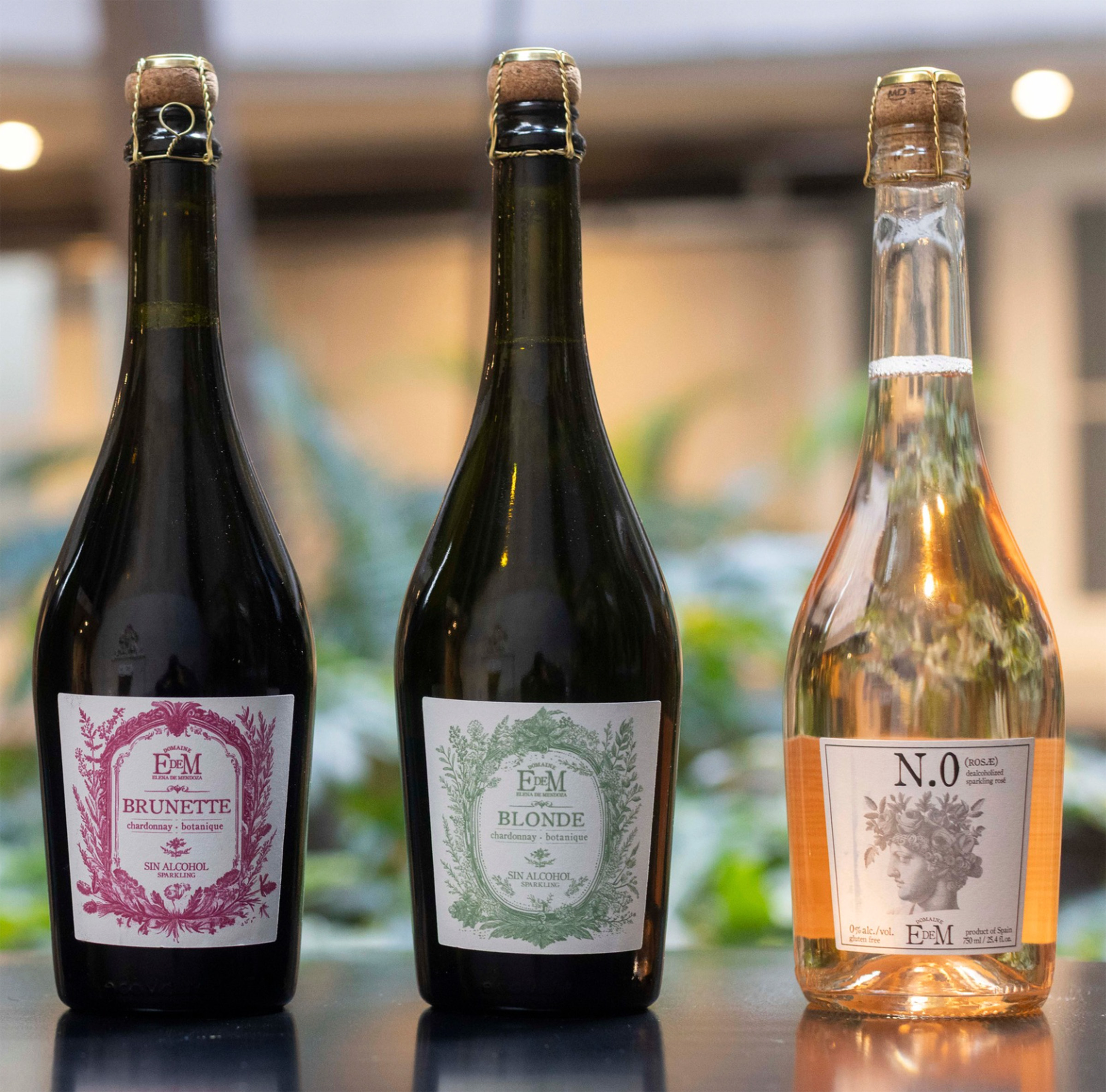
Fifth-generation vintner Dante Catena is helping lead his family’s expansion into the non-alcoholic wine category through Domaine EdeM, a no- and low-alcohol sparkling wine brand launched in 2025 by Argentina’s renowned Catena family.
The Catena family, best known for Catena Zapata and its pioneering role in Argentine wine, spent four years developing the EdeM range. In this interview, Catena discusses the inspiration behind the brand, the science of de-alcoholized wine, sustainability and why he believes moderation — not abstinence — will shape the future of drinking culture.
What is your role at Domaine EdeM?
My main role with Domaine EdeM, our no- and low-alcohol wine brand, is focused on marketing and sales in export markets. My job is really about getting the wines into as many people’s glasses as possible.
What does the name EdeM mean?
Domaine EdeM stands for Elena de Mendoza, and it is named after my grandmother. She used to enjoy two glasses of wine with dinner every night, but as she got older, she realized that the amount of alcohol she was consuming was becoming harder to process. She inspired us to create this no- and low-alcohol range.
It took us four years of research and development to create a product range we felt was truly high quality. Our family has been making wine for more than 120 years, so for us, quality was never negotiable.
Can you walk us through the development process for these wines?
We worked on creating the sensory experience from the ground up. We looked at sweetness on the entry through the sugar in the verjus, since verjus still has some natural sugar. Then we tried to find botanicals that would bring spice to the mid-palate, such as clove.
For bitterness, we used wormwood, bitterwood, and angelica, which is native to Argentina. Through those botanicals, we tried to recreate the sensation of alcohol on the palate and in the mouth.
Our goal with the non-alcoholic wines was to create something wine lovers would actually enjoy — something that feels familiar in terms of sensation and complexity, so they are not giving up the experience they love.
What kind of experience were you trying to create with these wines?
We wanted to create a complex and layered experience. We wanted the wines to feel like wine in the way they develop across the palate, so we spent a lot of time on development.
What is the Catena Wine Institute, and how did it play a role in EdeM’s development?
The Catena Institute was founded in 1995 by my mother, Laura Catena. The institute is at the forefront of science, nature, culture, and history in Argentine wine.
Anything we do that is innovative or pushes the boundaries in Argentine wine goes through the Catena Institute. It is central to our research and development, and it played a huge role in the creation of EdeM.
Why are all of the wines in the portfolio sparkling?
That came out of the challenge of mouthfeel. When we first started working on non-alcoholic wine, one of the biggest issues was that still wines could feel too thin, especially when compared with a full-bodied red that coats the mouth with tannin and alcohol.
With sparkling wines, that lack of weight became much less noticeable. When we showed the wines to people at the institute and to customers, the bubbles helped create a fuller sensation.
For example, a 7% wine can still feel like a full-bodied sparkling Chardonnay because of the carbonation. Without the bubbles, the same wine would feel much lighter.
What technology do you use to make the wines taste as close as possible to a wine-drinking occasion?
For the de-alcoholized wines, we use vacuum distillation with aroma recapture.
Can you explain vacuum distillation in simple terms?
Essentially, you put the fermented wine into a container and spin it quickly in a vacuum at a low temperature, usually around 35 to 38 degrees Celsius. At that temperature, the alcohol separates from the rest of the wine and is removed.
The challenge is that some aromas are tied to the alcohol, so when the alcohol is taken out, you also lose some of those aromatic compounds. The machine helps recapture those aromas and bring them back into the wine.
How does sustainability factor into the way these wines are made?
We follow the sustainability protocol developed by the Catena Institute together with Bodegas de Argentina. We then apply that same sustainability program to our partner in Spain, making sure they meet the same requirements we hold at our winery in Argentina.
One of the most important priorities is water conservation. We are always trying to make sure the vines grow and stay healthy with the smallest amount of water possible.
Why do you think people are drinking less?
I think there are a few different reasons — social, economic, and health-related — but the social side is probably the one I can speak to most directly. People are socializing differently now. They are not going out to drink or visiting friends during the week as much as they used to. My parents, for example, used to go out for a drink after work or have midweek visits with friends much more often than people do now.
Technology has also changed things. People can feel socially connected without leaving home, which has had an impact on loneliness and social isolation. Then there is the economic side: The cost of living is much higher, and many people simply cannot spend $15 on a cocktail or a bottle of wine as often as they used to.
In a city like San Francisco, where people are spending so much of their salary on rent, groceries, utilities, and internet, there is less left over for a drink every night.
So while people often talk about the social and health reasons, I think the economic factor is perhaps the most important.
What do you think will matter most for the future of the no- and low-alcohol movement, especially in wine?
One thing we really believe in is zebra striping, which is a trend that came out of the United Kingdom. It means alternating between non-alcoholic and traditional alcoholic drinks within the same occasion.
Instead of having six glasses of traditional wine over a three-hour period, maybe someone has three glasses of non-alcoholic wine and three glasses of traditional wine. Then they still feel good enough the next morning to go to a gym class or start their day feeling strong.
I think that is the future of the category. The data also supports it: 93% of people who buy non-alcoholic drinks also drink alcohol. So these are not just people who are fully sober — many are moderating or simply trying to drink less while still enjoying something delicious.
What else do you think will define success in the non-alcoholic wine category?
Quality will be absolutely essential.
The “second-glass test” is a great way to think about it: the wine has to be good enough that someone actively wants a second glass. For the first five to 10 years of the category, we really did not have many products that passed that test. Now we do, and that is exciting.With better de-alcoholization technology, aroma recapture, and product development, I think the perception of non-alcoholic wine will change very quickly.
There is going to be more and more product that can genuinely stand up to that standard, and that will be a big part of where the category goes next.
Follow The Daily Pour:
About The Daily Pour
Founded by Dan Abrams, The Daily Pour is the ultimate drinking guide for the modern consumer, covering spirits, non-alcoholic and hemp beverages. With its unique combination of cross-category coverage and signature rating system that aggregates reviews from trusted critics across the internet, The Daily Pour sets the standard as the leading authority in helping consumers discover, compare and enjoy the best of today's evolving drinks landscape.