How Did Dry January Start? The Origin Story Explained

(Photo: Adobe Stock)
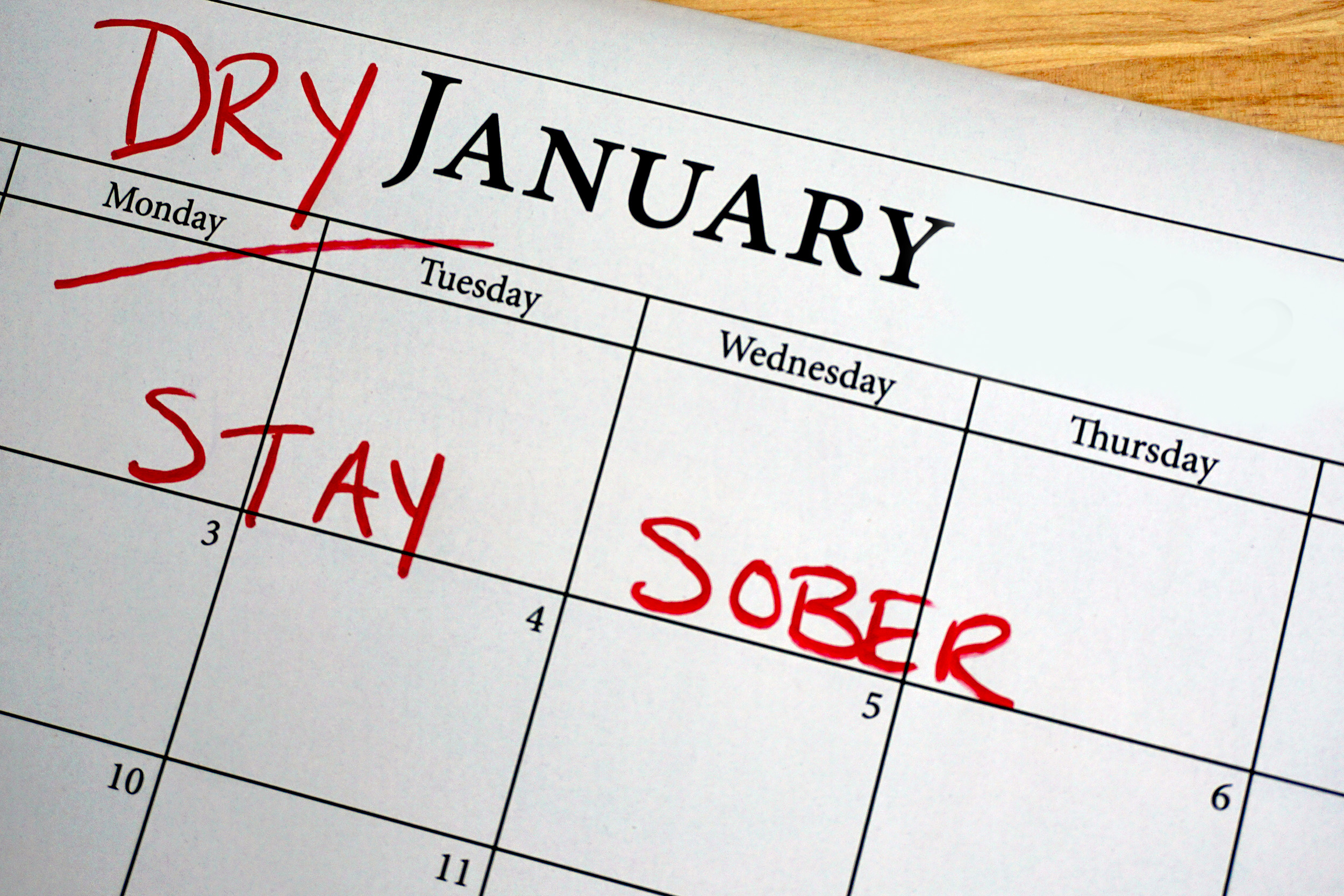
I’ve reported on the sober curious and non-alcoholic drink movement since I quit drinking in 2015. My social experiment to understand my own relationship with booze coincided with a global movement we now refer to as sober curious. Sober curiosity grows each year as the number of Dry January participants rises. But how did this global quest toward mindful drinking even begin? It all dates back to 2011 in the UK. Let’s dive in!
United Kingdom native Emily Robinson took a month off of alcohol in January 2011 to prepare for a half-marathon in February. She had such a profound experience that she pitched the idea to the non-profit Alcohol Change UK, hoping to motivate others to give the whole dry month thing a shot.
The first official Dry January campaign launched in 2013 with 4,000 participants. People signed up on the Alcohol Change UK website, connecting with fellow participants for peer support and accountability.
How Dry January Went From Niche to Global
The media picked up on the trend, eventually turning Dry January into a global movement. A few years later, UK journalist turned New Yorker Ruby Warrington began questioning her own relationship with alcohol. She didn’t want to give up booze forever, but she was curious about the idea of being alcohol-free. She started hosting monthly social gatherings in NYC under the name Club SODA (Sober or Debating Abstinence), using the term “sober curious” while discussing her relationship with booze. Gatherers sipped Curious Elixirs and Töst in between group meditations and thoughtful panel discussions.
I attended these monthly events as they coincided with my own social experiment. It was refreshing to see people socialize without alcohol in an empowered and confident way. “Sober curious” felt like a loose, flowy dress with room to grow, while the term “alcoholic” felt like a tight turtleneck with restricted movement. Needless to say, I’m not the only person who felt seen by the inclusivity of a term like sober curious. Warrington’s book, “Sober Curious: The Blissful Sleep, Greater Focus, Deep Connection, and Limitless Presence Awaiting Us All On The Other Side of Alcohol,” came out in 2018, entering the phrase into the global zeitgeist along with Dry January.
Sober Curiosity and Dry January Aren’t Anti-Alcohol
Before I quit drinking, I thought sobriety sounded like a lifetime sentence to boredom. Treating a break from booze as a social experiment felt less like a punishment and more like a step to personal growth. This approach is also why Dry January appeals to the masses. Participating in a dry month doesn’t mean giving up booze forever; it just means you’re not drinking right now. It’s also more socially acceptable to pass on a drink during January because it’s become a cultural movement.
Despite what naysayers may try to say, Dry January isn’t a rehash of the temperance movement or neo-prohibitionism. It’s also not anti-alcohol. More than 90% of people who buy non-alcoholic drinks drink alcohol, according to Nielsen. People just want choices.
My years of research and personal experience have taught me that the people who are against sobriety or sober curiosity are usually projecting their own insecurities around alcohol. Some feel intimidated by a friend’s empowered decision to abstain from alcohol, so they make fun of it in an attempt to bring others down to their level of discontent.
While Dry January is relatively new, it’s rooted in the age-old “new year, new me” mentality following holiday indulgence. Whether it’s delayed (unnecessary!) guilt from enjoying a third slice of cake or pounding a few extra eggnogs, people see the changing calendar as an opportunity to change something about themselves, too. This is why January is also the busiest month to join a gym or set resolutions.
Dry January has also gained popularity alongside social media’s “contentification” of everything, which has led to people sharing their sobriety journeys and sober curiosity in a proud, public way as opposed to only speaking about alcohol use through the lens of addiction in a church basement’s Alcohol Anonymous meetings. Additionally, the legalization and continued destigmatization of cannabis happened at the same time people were posting their #sober journeys, leading to a rapid influx of THC-infused drinks replacing alcohol in many social settings.
What a Month Without Alcohol Can Teach You
I see Dry January as a form of harm reduction that gives people a chance to examine their relationship with alcohol before hitting rock bottom. Addressing a coping mechanism before it becomes a problem can be life-saving. Dry January can also be a new way to practice mindfulness or break habits.
There are countless reasons to take a break from alcohol (or anything!). Some may want to reset their mind and body in the new year, while others see Dry January as dipping their toes into addiction recovery or taking care of their mental health. Either way, get the most out of your dry month by noticing the moments you crave a drink. Observe your impulse to drink — or not drink — when around certain people. Dry January isn’t about punishment; it’s about learning and growing. Bonus points if you learn from your experience and apply it to your daily life past January.
Follow The Daily Pour:
About The Daily Pour
Founded by Dan Abrams, The Daily Pour is the ultimate drinking guide for the modern consumer, covering spirits, non-alcoholic and hemp beverages. With its unique combination of cross-category coverage and signature rating system that aggregates reviews from trusted critics across the internet, The Daily Pour sets the standard as the leading authority in helping consumers discover, compare and enjoy the best of today's evolving drinks landscape.