Crisis Ahead for Medical Patients? Hemp Ban Threatens Treatments

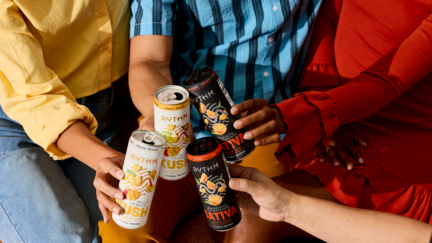
Despite significant advancement in the normalization of cannabis compared to five or 10 years ago, preconceptions about who consumes hemp-derived products remain extremely common. The stereotype skews young and recreational. The reality is far more complex and far more human.
The consumer base for hemp-derived products is remarkably diverse. While some people reach for hemp-infused beverages as a social tonic, many others rely on these products for physical and mental health support. Picture a man managing arthritis after decades of manual labor, an 8-year-old girl living with epilepsy, a veteran struggling with chronic insomnia, a friend battling fibromyalgia. These are not fringe consumers; they are patients. And they are the people forgotten when politicians like Sen. Mitch McConnell support legislation imposing a ban on hemp products containing more than 0.4 milligrams of total THC per container.
The most damaging aspect of this bill is precisely that: the rigid 0.4-milligram total THC limit per finished product.
“The 0.4 milligrams of THC per container is the nail in the coffin for the medical side of the industry,” says EntheaCare founder Megan Mbengue, a registered nurse who has a Master of Science degree in Medical Cannabis Therapeutics. “Full-spectrum products contain more than 0.4 milligrams of THC per container. These products aren’t getting people high. They are therapeutic. Now, they will no longer be legally available to patients or for those using them to treat epilepsy, especially children.”
If this ban goes into effect in a year as planned, the effects could be life-threatening.
Pharmaceutical alternatives such as Epidiolex, an FDA-approved CBD isolate, are approved for a narrow range of epilepsy diagnoses. That leaves thousands of patients with other forms of epilepsy without access to treatments they have relied on for years. Medical-grade hemp products are subjected to rigorous testing, labeling and quality standards. They have a documented history of benefit and minimal side effects when used as intended. To erase them from legal availability is not a matter of consumer inconvenience, it is a matter of patient harm.
One of the most widely recognized examples of these products is Charlotte’s Web. The brand entered national consciousness after CNN and Dr. Sanjay Gupta aired a year-long documentary on the medical use of cannabis. The program followed the story of Charlotte Figi, an infant suffering hundreds of tonic-clonic seizures per week. When conventional treatments failed, her family working closely with physicians, turning to cannabis oil. The result was extraordinary: Charlotte went seven days without a seizure, down from nearly 300 per week.
The Figi family partnered with Stanley Brothers, a prominent Colorado grower, to develop what would become the Charlotte’s Web line of tinctures. Since its launch in 2014, these products have helped treat thousands of children and adults living with severe neurological conditions.
Notably, most medical-grade hemp products are not sold in smoke shops or recreational dispensaries. They are often absent from traditional retail channels altogether. Brands such as EntheaCare and Charlotte’s Web focus on highly specific cannabinoid and terpene formulations featuring compounds like CBG, CBDV, CBDA and CBGA designed for therapeutic outcomes rather than intoxication. As a result, these products are most accessed directly through company websites by patients, parents, and caregivers seeking consistent, clinically informed relief.
This distinction matters because policies written to curb recreational use are now poised to eliminate an entirely different category of products and patients. To the Senate: this legislation does not simply regulate a market; it severs access to care. A rigid, one-size-fits-all THC cap ignores how medical hemp products are formulated, prescribed and used in the real world. It disregards decades of emerging evidence and the lived experiences of patients who depend on these products to function, sleep, manage pain and, in some cases, survive. Sensible regulation should protect consumers without punishing patients. Anything less is a failure of both policy and compassion.
If you’d like to support the access to standardized, safe hemp based wellness please reach out to organizations such as Coalition for Access Now.
Follow The Daily Pour:
About The Daily Pour
Founded by Dan Abrams, The Daily Pour is the ultimate drinking guide for the modern consumer, covering spirits, non-alcoholic and hemp beverages. With its unique combination of cross-category coverage and signature rating system that aggregates reviews from trusted critics across the internet, The Daily Pour sets the standard as the leading authority in helping consumers discover, compare and enjoy the best of today's evolving drinks landscape.