The Most Common Mistakes That Ruin Homemade Daiquiris

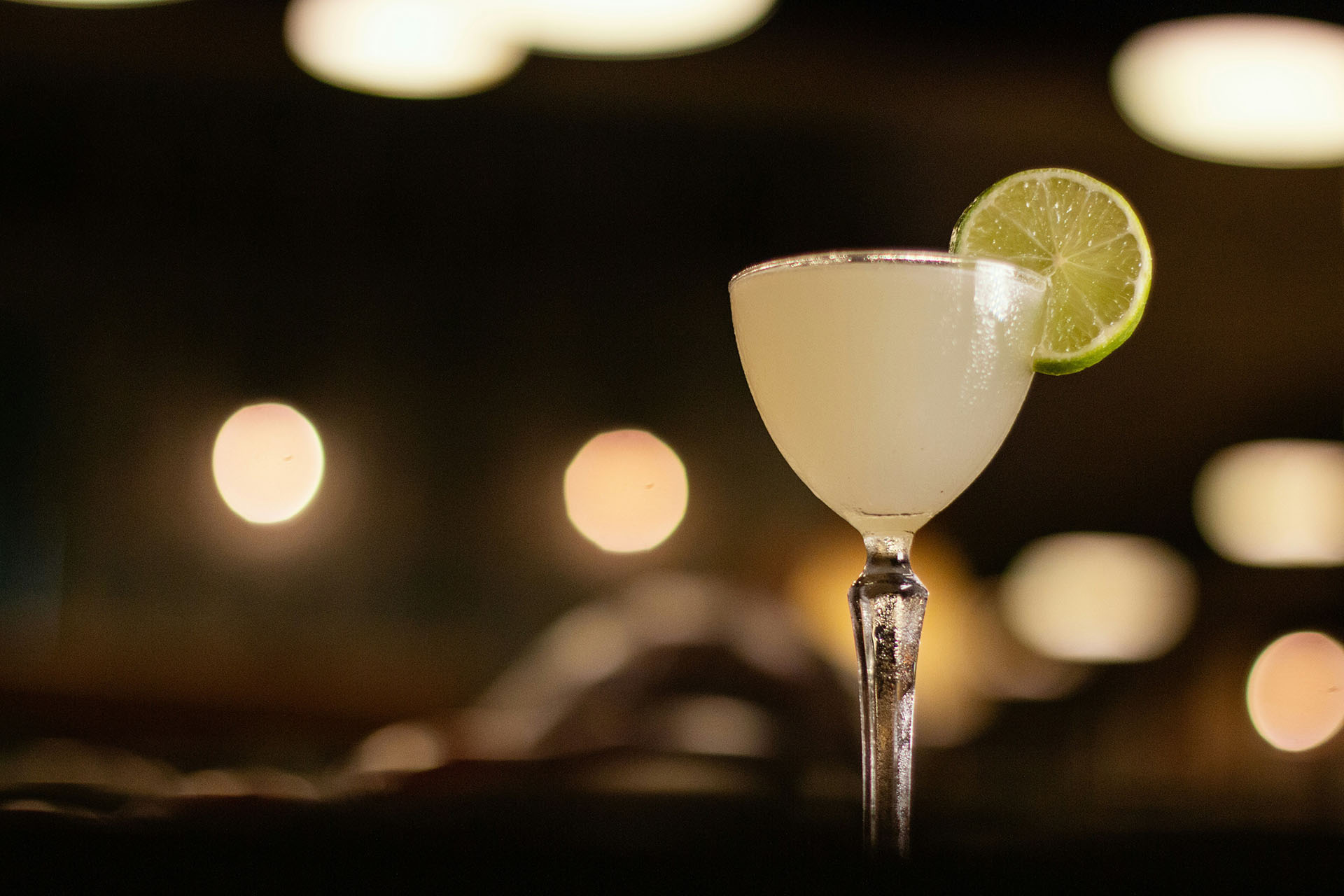
(Photo: Unsplash/Marta Smith)
The daiquiri is one of the simplest cocktails in existence. Rum, lime and sugar. That’s it. Which is exactly why so many people mess it up.
Using the perfect rum is ideal, but it isn’t the only thing that makes or breaks a delicious daiquiri. More often than not it comes down to adjusting small details that make a world of difference.
Why the Daiquiri Is So Unforgiving
The classic daiquiri is not a frozen blender drink. It’s a short, shaken cocktail typically made with rum, fresh lime juice and simple syrup.
There are no bitters to mask imbalance. No egg white to soften texture. No liqueur to hide excess acidity. Every ingredient is exposed.
Here are the biggest mistakes you might be making when you make a daiquiri at your home bar.
Limes Are Not Consistent (But Don’t Use Bottled Lime Juice)
The most common mistake when making a daiquiri at home isn’t using the wrong rum, nor is it shaking technique.
It’s not tasting the lime juice before you build the drink. This changes everything from the sweetness to mouthfeel of the daiquiri. The quality and taste of the lime juice makes or breaks this cocktail. And that single oversight is why so many homemade daiquiris taste either painfully sharp or oddly flat.
Fresh limes vary wildly in acidity. Bottled lime juice is more consistent, but consistently worse, tasting dull and metallic compared to fresh juice.
Professional bartenders will sometimes use something called Super Juice, which is not to be confused with bottled lime juice. Nothing beats fresh lime juice, but super juice is a time saver, lasts longer and is more efficient than squeezing citrus all night. It’s basically a pumped-up version of citrus juice designed to taste consistent, requiring a few extra steps and ingredients such as citric and malic acid.
Unlike super juice, real limes vary. Some are bright and piercing, others are mellow and slightly sweet. Seasonal changes, ripeness and storage all affect how acidic a lime will be.
The daiquiri lives or dies based on brightness. If the citrus is flat, the entire drink feels lifeless.
If you blindly measure ¾ ounce of lime juice without tasting it, you’re gambling with the balance of the entire cocktail.
The daiquiri lives and dies by balance. Too acidic and it’s harsh. Not acidic enough and it’s cloying. The margin for error is small.
The easy fix is to taste the juice and ask yourself:
- Is it aggressively sour?
- Is it slightly sweet?
- Does it feel sharp or soft?
If the lime is intensely acidic, you may need slightly more simple syrup. If it’s softer and less tart, you may want to scale back the sugar or increase the lime just a touch.
You don’t need to overhaul the recipe. You just need to adjust by a quarter-ounce or even a bar spoon at a time.
Keep it Cold
Nobody likes an over-diluted, warm cocktail. Just like with a martini, temperature is key to success. Room-temperature rum and a warm glass make it harder to hit the ideal chill without over-diluting.
If you want next-level results, chill your glass in the freezer ahead of time. Some bartenders even keep their white rum lightly chilled to maintain tighter control during shaking.
There are no hard fast rules to making a perfect daiquiri, but using a great recipe and learning to adjust when needed will result in your perfect daiquiri.
When all those pieces click into place, the daiquiri becomes one of the most precise and satisfying cocktails you can make at home.
Simple doesn’t mean casual; it means precision.
Follow The Daily Pour:
About The Daily Pour
Founded by Dan Abrams, The Daily Pour is the ultimate drinking guide for the modern consumer, covering spirits, non-alcoholic and hemp beverages. With its unique combination of cross-category coverage and signature rating system that aggregates reviews from trusted critics across the internet, The Daily Pour sets the standard as the leading authority in helping consumers discover, compare and enjoy the best of today's evolving drinks landscape.