Not Aperol, But Worth Your Attention: 7 Amaros and Alternatives for Spritz Lovers

Nobody is here to tell you Aperol is bad. It’s not. It’s bright, it’s bitter-adjacent, it mixes beautifully and it’s become one of the most recognizable bottles behind any bar for a reason. But if you find yourself reaching for it every time you want something low-ABV, spritzy or bittersweet, you might be leaving a lot of interesting bottles unexplored.
The seven options below aren’t one-to-one substitutes for Aperol. Some are darker and more herbal, some are booze-free, one is made with maple syrup and local wine in Connecticut. What they share is an appeal to the same general sensibility: people who like something a little bitter, a little sweet and a lot more interesting than a vodka soda. These have been ranked using The Daily Pour Critics’ Score, which aggregates our house rating with scores from the most trusted critics across the internet. Think of the order as a loose guide rather than a verdict.
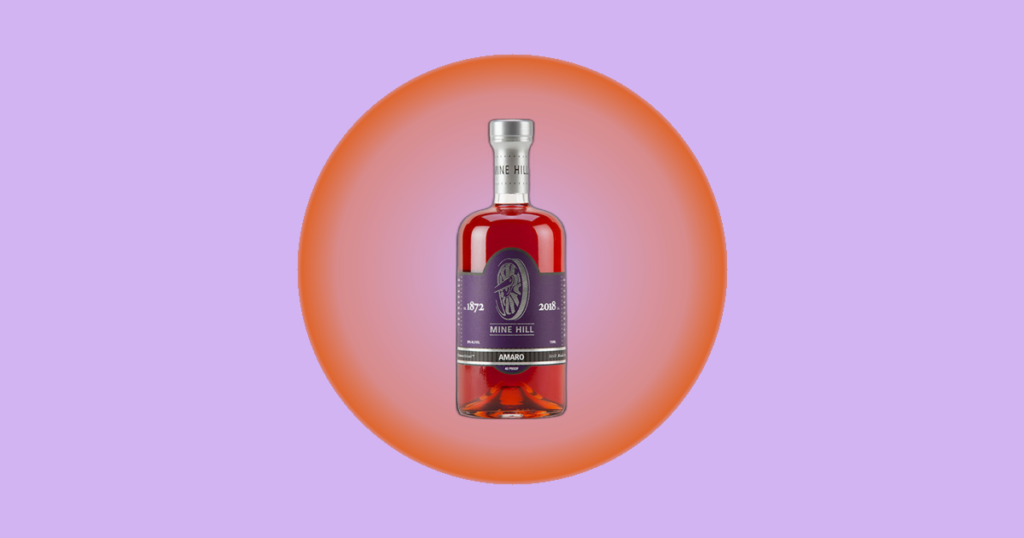
7. Mine Hill Distillery Amaro
Check Out the Reviews
Mine Hill Distillery Amaro warrants a mention on this list for originality alone. Produced in Roxbury, Connecticut, it starts with locally sourced wine that gets fortified with the distillery’s own base spirit, then steeps for five to six months with 16 proprietary botanicals before being sweetened with pure maple syrup and bottled at 20% ABV. The maple syrup sweetener is a clever regional touch, and the wine base gives the whole thing an earthy, almost vinous weight that most amaros don’t have. Priced at around $45, this is probably the least Aperol-adjacent bottle here, but for anyone curious about what American amaro-making looks like when a distillery commits to its own backyard, this is a worthwhile pour.
6. Amante 1530
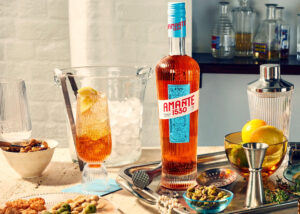
(Photo: Amante)
Check Out the Reviews
Yes, Amante 1530 is Sting’s amaro. The Grammy-winning rock legend and his wife, actress Trudie Styler, partnered with Rome’s Pallini Distillery to produce this 15% ABV bottle, which pays total, unabashed homage to everything Aperol. On the nose, it lands somewhere between SunnyD and vanilla, which sounds like a criticism but is actually pretty charming at this alcohol content. The palate is a tug-of-war: tangerines, apples and something candy-like (think Jujyfruits) get interrupted by a sharp hit of citrus pith, while rosemary, sage and tea hover in the background without ever quite taking over. Mixed into a spritz, it performs exactly as advertised, and it’s flexible enough that you could swap it into a margarita where you’d normally use triple sec. Widely available across the country for around $35.
5. Opius Amaro
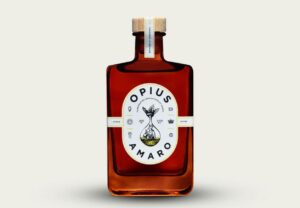
(Photo: Opius)
Check Out the Reviews
Opius Amaro is the more eccentric of the two non-alcoholic entries on this list. Developed by Master Distiller Dr. Sas using recipes drawn from historical alchemical manuscripts and produced in small batches through specialized pot stills, it reads like the origin story of a fictional apothecary. The botanical lineup — angelica root, lemon peel, wormwood, coriander and almond — is firmly in classic amaro territory, which makes it one of the more credible zero-proof options for someone who wants the herbal bitterness of the category without the alcohol. Priced at $49 and bottled at 0.0% ABV, this is a must-buy for anyone building their boozeless bar cart from scratch.
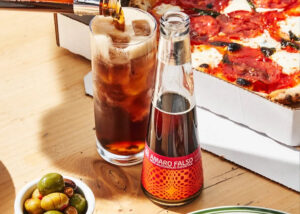
4. St. Agrestis Amaro Falso
Check Out the Reviews
St. Agrestis Amaro Falso is what happens when a serious amaro producer turns its attention to the zero-proof category and refuses to phone it in. Made in Greenpoint, Brooklyn, with 20 herbs, spices and botanicals, it’s built on the same flavor logic as St. Agrestis’ original amaro, minus the alcohol and plus a dash of carbonation that brings it more in line with a ready-to-drink cocktail. Expect flavors of mint, cola nut and gentian root, more in line with a Campari Highball than a typical Aperol Spritz. The cherry on top? These only cost seven bucks per 200-milliliter bottle, so feel free to stock up if you’re tossing drinks into a cooler on a hot summer day.
3. High Wire Distilling Southern Amaro
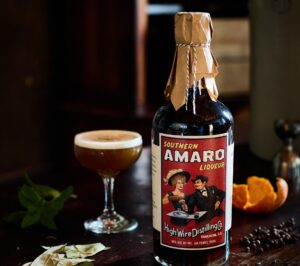
(Photo: High Wire Distilling)
Check Out the Reviews
High Wire Distilling Southern Amaro makes a strong case that the American South has its own amaro vocabulary. The Charleston, South Carolina-based distillery built this 30% ABV bottle around genuinely local ingredients: Yaupon Holly (a native caffeinated plant that predates coffee on this continent), Dancy Tangerine, wild mint, Charleston black tea and gentian root, all brought together with a neutral cane spirit made from locally grown cane. The result is something that reads as distinctly regional without being a novelty act. The tangerine and tea give it a brightness that Aperol drinkers will find familiar, while the Yaupon and gentian push it into more serious bitter territory. Priced at around $40, it’s one of the better value bottles on this list and one of the more distinctive.
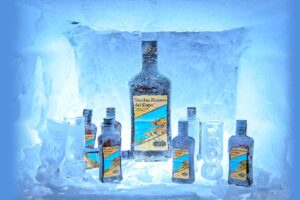
2. Vecchio Amaro Del Capo
(Photo: Vecchio Amaro Del Capo)
Check Out the Reviews
Vecchio Amaro del Capo is one of two recommendations on this list with dyed-in-the-wool amaro credentials. Fratelli Caffo Distillery in Limbadi, Italy, builds it from 29 Southern Italian botanicals, sweet and bitter oranges, tangerines, chamomile, juniper, licorice, anise, mint and hyssop among them, each harvested at peak ripeness and immediately macerated. The whole production process, from maceration through solera-system barrel resting to bottling, takes about a year. At 35% ABV, it’s the strongest bottle here, and that extra proof gives the botanicals room to express themselves fully. If you’ve been drinking Aperol spritzes and wondering what a more serious, more complex version of that bitter-orange impulse tastes like, this is a logical next stop.
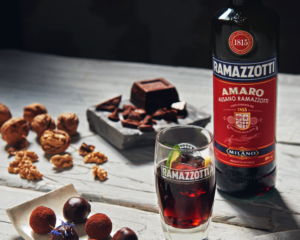
1. Ramazzotti Amaro
(Photo: Ramazzotti)
Check Out the Reviews
Ramazzotti Amaro has been around since 1815, when Ausano Ramazzotti first produced it in Milan, and two centuries of staying power is its own argument. Made from a proprietary blend of 33 herbs, spices, flowers and fruits, including orange peel, gentian, rhubarb and rosemary, it’s bottled at 30% ABV and retails for about $30. Our critics gave it a 95, the highest score in this roundup, and it’s not hard to understand why. Ramazzotti occupies a sweet spot in the amaro category: more complex and herbaceous than something like Aperol, with a bittersweet balance that works equally well neat, on ice or mixed. The orange peel and gentian give it a familiar bitter-citrus foundation, while the rhubarb and rosemary add a savory, slightly tart dimension that keeps every sip from becoming predictable. For anyone looking for a single bottle that bridges the gap between casual spritz drinking and the deeper end of the amaro world, this is the one to start with.
Follow The Daily Pour:
About The Daily Pour
Founded by Dan Abrams, The Daily Pour is the ultimate drinking guide for the modern consumer, covering spirits, non-alcoholic and hemp beverages. With its unique combination of cross-category coverage and signature rating system that aggregates reviews from trusted critics across the internet, The Daily Pour sets the standard as the leading authority in helping consumers discover, compare and enjoy the best of today's evolving drinks landscape.