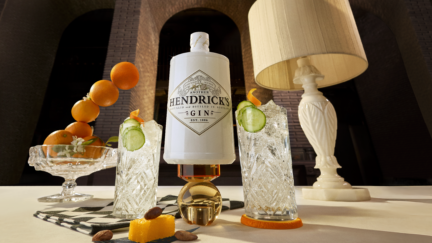
From Sakura to Sansho, Ranking the 10 Best Japanese Gins to Buy in 2026

Japanese gin has quietly become one of the most exciting categories in the spirits world. Japanese distillers have leaned into hyper-local ingredients, from yuzu and sansho pepper to regional green teas and cherry blossoms, producing gins that feel entirely unique in style and taste. The ten bottles below have been ranked using The Daily Pour Critics’ Score that aggregates our house rating with scores from critics across the internet. Ties are broken by editorial judgment, factoring in price, accessibility and overall narrative.
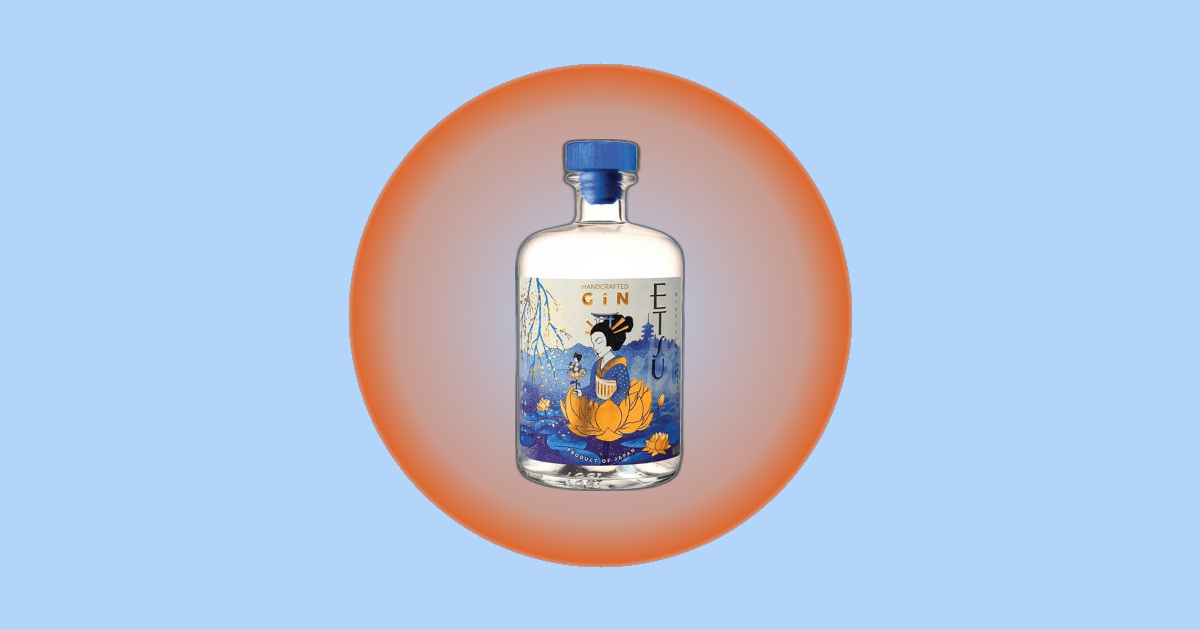
10. Etsu Japanese Gin
Check Out the Reviews
Coming in at the foot of this list is not a bad gin by any measure, just one that gets outgunned by stronger competition. Etsu Japanese Gin is produced at the Asahikawa Distillery in Hokkaido, Japan’s northernmost and coldest major island, using a cane spirit base run through copper pot stills. The botanical bill is a solid eight-strong lineup: juniper, yuzu, green bitter orange peel, coriander, licorice, green tea leaf, angelica root, sansho pepper and cherry blossoms. At 43% ABV and priced in the $30 to $60 range, it’s an accessible entry point into the category, and the sansho pepper gives it a faintly electric quality that keeps things interesting. It earned an 89 on our Critics’ Score, which is respectable, but the botanicals feel a touch tentative compared to what the rest of this list is doing.
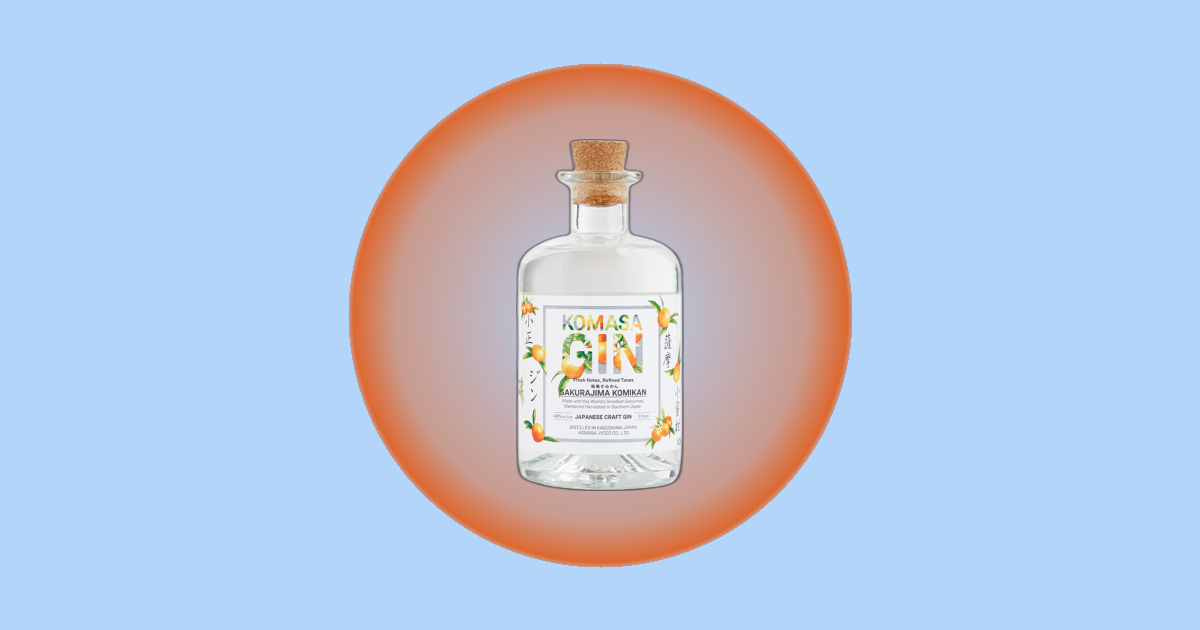
9. Komasa Gin Sakurajima Komikan
Check Out the Reviews
Komasa Gin Sakurajima Komikan comes from Komasa Jyozo, a producer better known for its shochu, and that heritage shows in the best possible way. The “Sakurajima Komikan” in the name refers to the tiny mandarin oranges grown on the slopes of Sakurajima, the active volcano looming over Kagoshima Bay, and this is very much a gin built around that particular citrus note. Bottled at 45% ABV and available in the $30 to $60 range, it sits in the flavored gin category, which will raise an eyebrow or two among purists, but the score of 91 suggests critics were won over regardless.
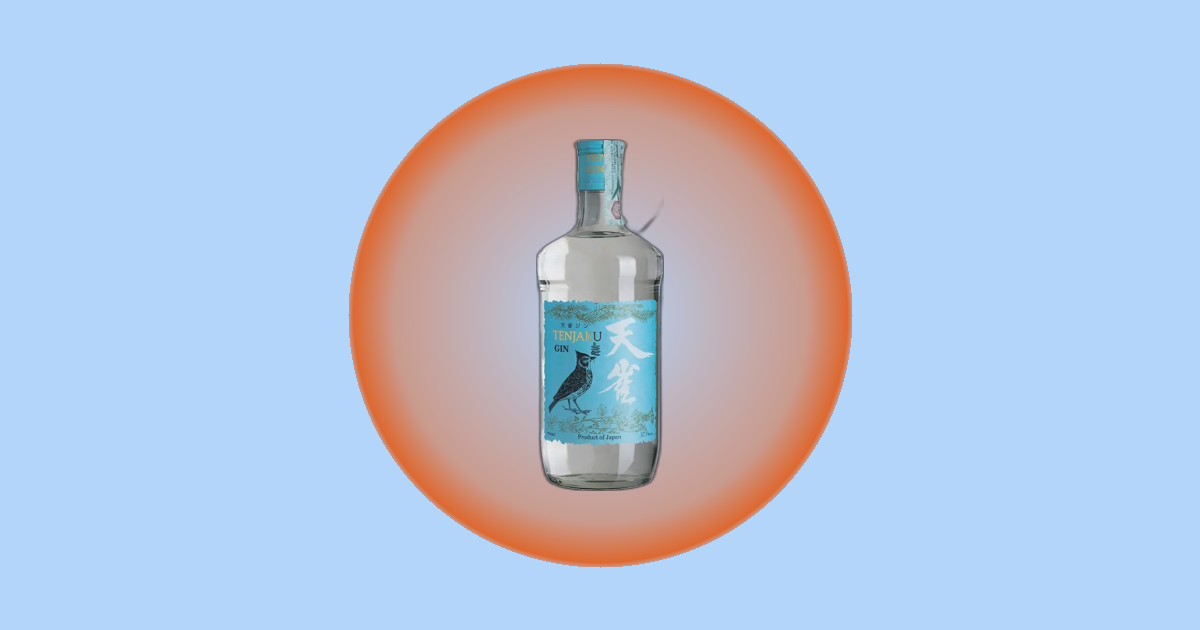
8. Tenjaku Gin
Check Out the Reviews
Tenjaku Gin is one of the few London Dry-style entries on this list, produced by Minami Alps Wine & Beverage and bottled at 43% ABV. The London Dry classification means the botanical character has to stand on its own without any post-distillation additions, and at a price point in the $30 to $60 range, Tenjaku makes a compelling case that Japanese producers can work within classic Western frameworks without losing their identity. It scores a 92, tying two other bottles on this list, and lands here on the strength of its more traditional profile.
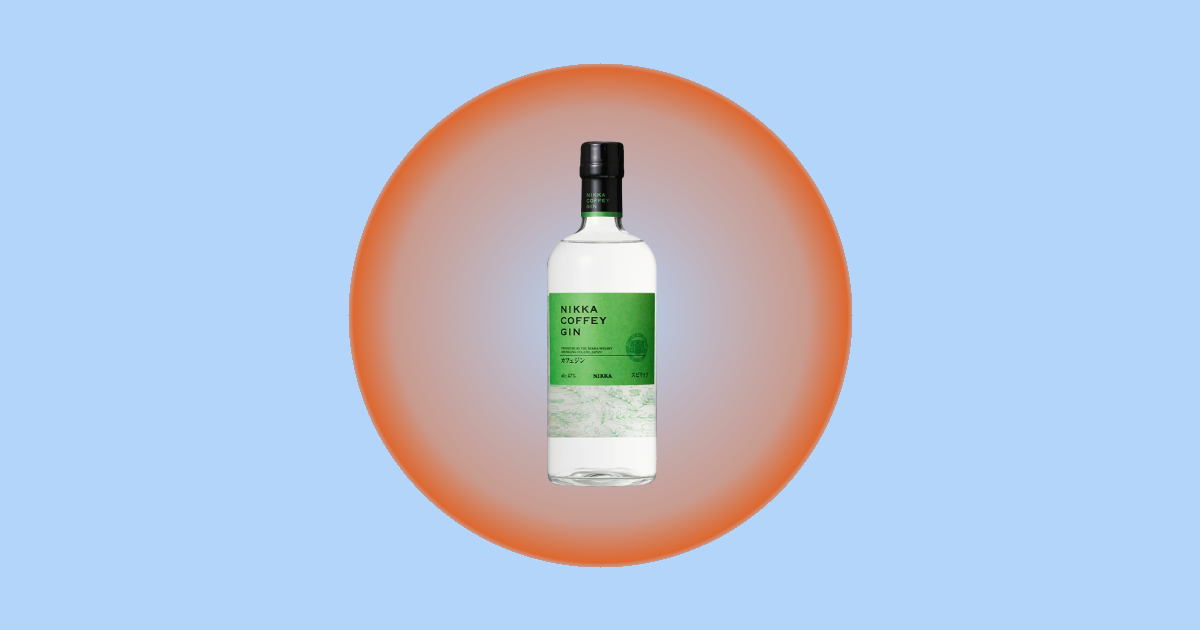
7. Nikka Coffey Gin
Check Out the Reviews
The name is the story here. Nikka Coffey Gin is distilled in a Coffey still at the Yoichi Distillery, the same facility Masataka Taketsuru built in Hokkaido after apprenticing in Scotland. That continuous distillation process gives the spirit a richer, rounder texture than most pot-still gins in this category. Bottled at 47% ABV and priced in the $30 to $60 range, it also scores a 92, and the Coffey still pedigree is enough to push it ahead of Tenjaku in the rankings. Nikka’s whisky reputation doesn’t hurt either.
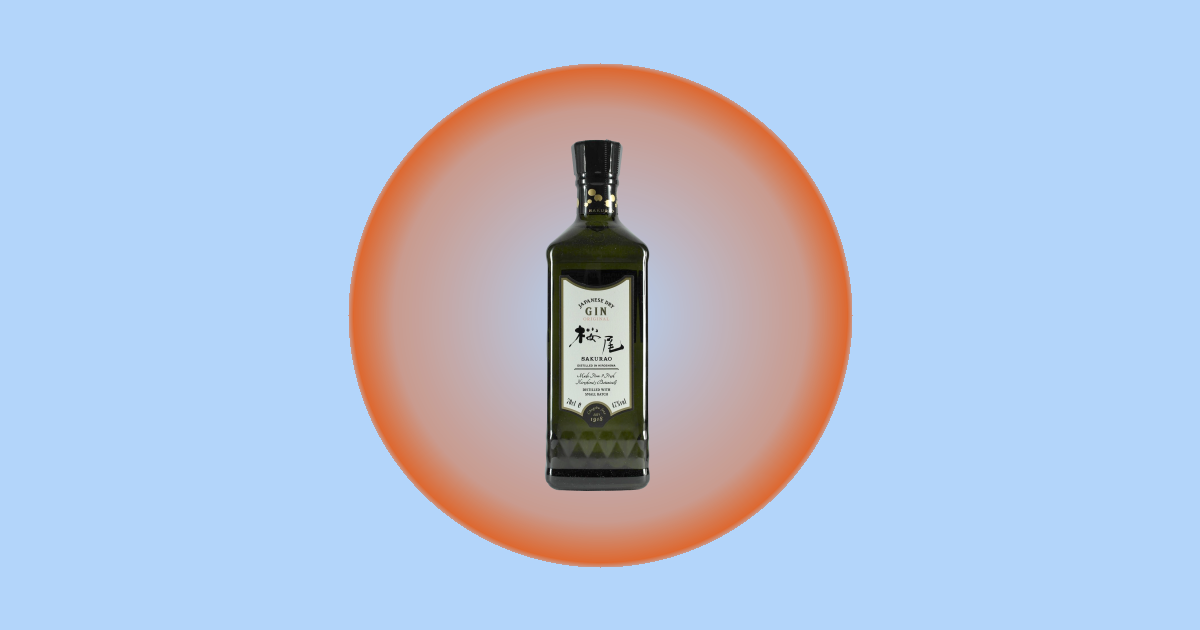
6. Sakurao Japanese Dry Gin
Check Out the Reviews
Sakurao Japanese Dry Gin might be the most aggressively local gin on this list. Produced at the Sakurao Distillery in Hiroshima, it packs nine botanicals into its recipe, and almost all of them are sourced from specific Hiroshima prefectural regions: green lemon and sweet orange from Hiroshima proper, yuzu from Akitakata, dai dai citrus and hinoki cypress also from Hiroshima, Fuchu green tea, Yamagata aka shiso (red perilla), Jinseki ginger and then, almost as an afterthought, imported juniper and coriander to satisfy the gin requirement. Both steeping and vapor distillation methods are used, which gives the distiller precise control over how each botanical comes through. At 47% ABV, also priced in the $30 to $60 range and scoring a 92, this one edges out its tied competitors on sheer botanical ambition.
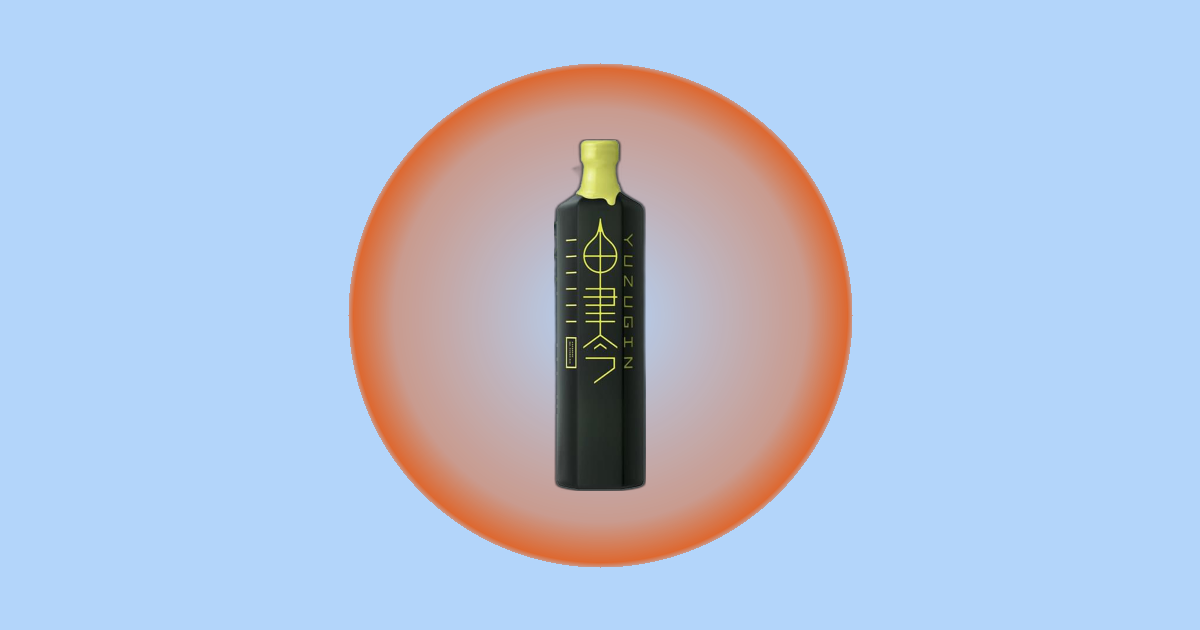
5. Yuzu Gin
Check Out the Reviews
Yuzu Gin from the Kyoya Distillery does something none of the other bottles on this list attempt: it builds on a base of sweet potato shochu fermented in terracotta jars. That substrate alone makes it a category outlier, and the infusion of sansho peppers, oranges, lemon and yuzu into that earthy, slightly funky foundation produces something that reads less like a conventional gin and more like a citrus-forward shochu that decided to crash a gin party. Bottled at 47% ABV and priced between $60 and $100, it’s the first bottle on this list to cross into the higher price bracket, which the 93 Critics’ Score justifies comfortably.
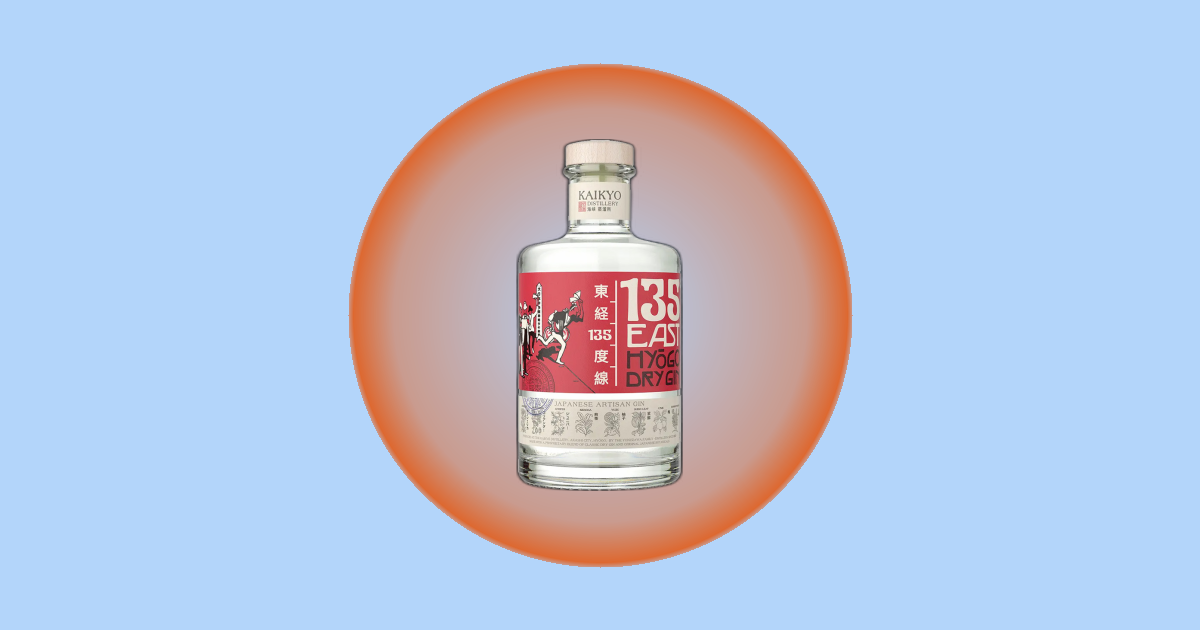
4. 135 East Hyogo Dry Gin
Check Out the Reviews
135 East Hyogo Dry Gin is produced at the Kaikyo Distillery and named for the 135th meridian east, the line of longitude that runs through Hyogo Prefecture and serves as the basis for Japan Standard Time. At 42% ABV, it’s the lowest-proof bottle in the top half of this list, and it earns a 94 on our Critics’ Score. The London Dry classification means it’s playing the same structural game as Tenjaku, but critics clearly found more to love here. Priced in the $30 to $60 range, it’s also one of the better value propositions in the entire ranking.
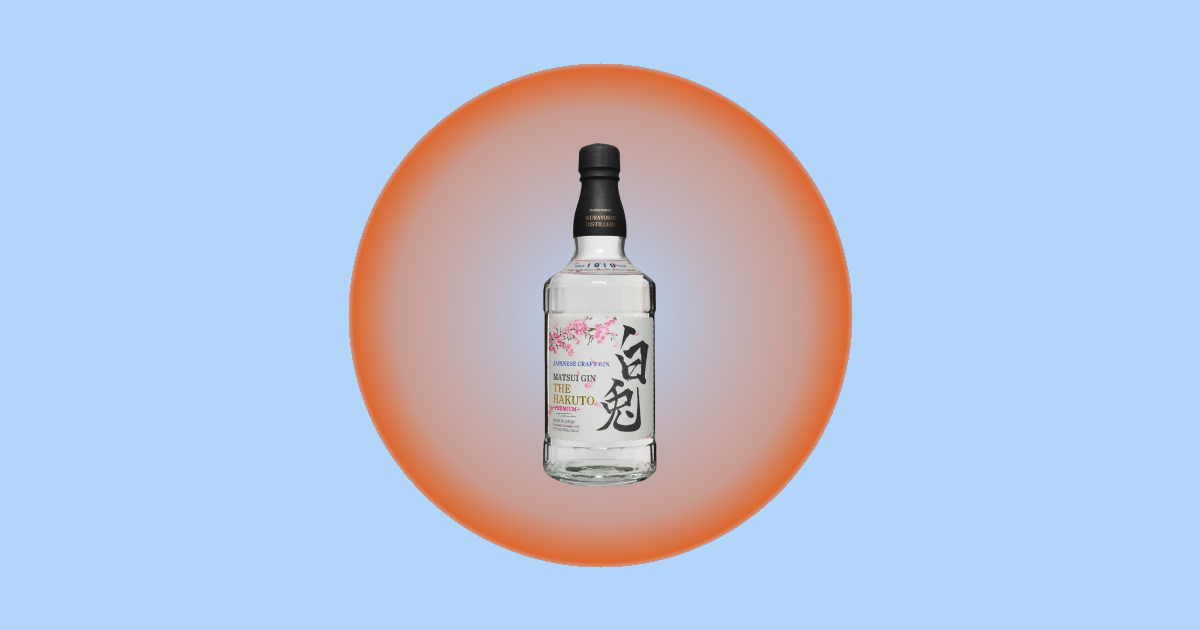
3. Matsui ‘The Hakuto’ Gin
Check Out the Reviews
Matsui “The Hakuto” Gin takes its name from the white rabbit of Japanese folklore, and the botanical bill reads like someone raided both a Japanese tea garden and a fruit market on the same afternoon: juniper berry, coriander seeds, orange peel, yuzu peel, Japanese sansho pepper, gyokuro, cherry blossom, black pepper, nashi pears and Japanese green tea. That’s ten botanicals pulling in multiple directions at once, and the fact that Matsui Shuzo makes it cohere at 47% ABV is genuinely impressive. Priced in the $30 to $60 range and tying 135 East at 94, it lands at No. 3 on the strength of that botanical complexity and the sheer audacity of the nashi pear inclusion.
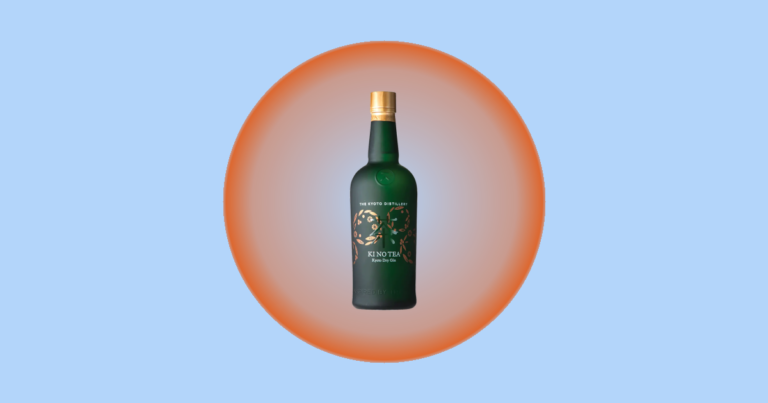
2. Ki No Tea Gin
Check Out the Reviews
Ki No Tea Gin is the product of a collaboration between the Kyoto Distillery and Hori-Shichimeien, a specialist tea grower and blender, and the result is one of the most tea-forward gins produced anywhere. The botanical roster includes super-premium Uji tencha and gyokuro teas alongside juniper, orris, akamatsu pine, yuzu and lemon, and the decision to use tea at this quality level rather than as a background note reframes the entire gin. At 45.1% ABV and priced between $60 and $100, it earns its 95 Critics’ Score with a profile that is probably the most distinctly Japanese thing on this entire list. The Kyoto Distillery has built its reputation on taking local ingredients with the same seriousness that a Champagne house applies to its grapes, and Ki No Tea is the clearest expression of that philosophy.
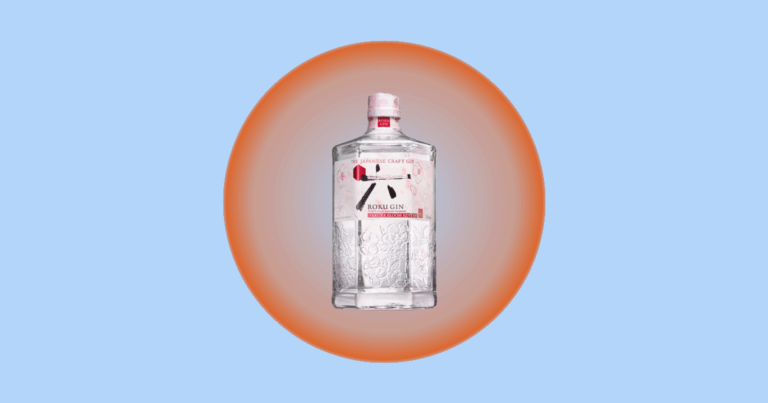
1. Roku Gin Sakura Bloom Edition
Check Out the Reviews
The top spot goes to the bottle with the biggest name behind it, and on this occasion, the corporate muscle and the critical score happen to align. Roku Gin Sakura Bloom Edition is made by Suntory at its Liquor Atelier distillery in Osaka, the first release in the brand’s Seasonal Festival Collection, and it is specifically engineered to evoke the brief, almost unbearably beautiful window of the cherry blossom season (Hanami). Bottled at 43% ABV and priced at around $39, it also happens to be one of the most accessible bottles in the top five. Tying Ki No Tea at 95 on our Critics’ Score, it claims the top position on price and availability, two factors that matter when a gin is this good. Suntory has the resources to execute seasonal concepts with precision, and the Sakura Bloom Edition uses them well. This is a gin that earns its occasion.
Japanese gin has matured rapidly into a category with real depth. The bottles on this list cover everything from shochu-based outliers to obsessive regional botanical sourcing to tea-forward collaborations with century-old growers, and almost all of them are available for under $100. That’s a remarkable situation for any spirits category, and a very good reason to start working through this list from the bottom up.
Follow The Daily Pour:
About The Daily Pour
Founded by Dan Abrams, The Daily Pour is the ultimate drinking guide for the modern consumer, covering spirits, non-alcoholic and hemp beverages. With its unique combination of cross-category coverage and signature rating system that aggregates reviews from trusted critics across the internet, The Daily Pour sets the standard as the leading authority in helping consumers discover, compare and enjoy the best of today's evolving drinks landscape.