What is Gin Made From?


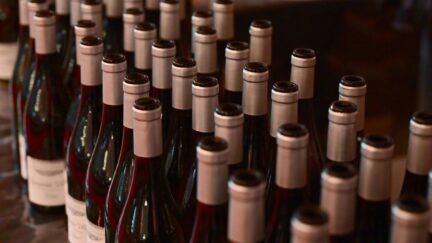
Let’s get back to the basics and find out what gin is and what it’s made from. (Photo: Zetong Li/Pexels)
In the grand world of booze and beverages, it’s quite easy to overlook some of the most foundational components of the things we like to drink. We know for certain that wine is made from grapes and beer is made from grain and hops — but what is gin made from?
Gin Is a Flavored Neutral Grain Spirit
A neutral grain spirit is best related to clear, unflavored vodka. Some may even ask, “well then, does that make gin vodka?” In a way, yes, even if it is so much more.
Just like vodka can be made from grains like rye, wheat, corn, rice and barley, so can gin!
To make a neutral grain spirit, a grain base must first be selected. This could be a singular grain or a combination of multiple. These grains then need to be milled, fermented and distilled in a still.
The more a spirit is distilled, the purer it is. A pure, unflavored spirit is essential for gin production since the spirit needs to take on botanical notes without adding any unwanted tastes.
Gin Is Made From Botanicals
Botanicals are any herbs, spices, roots and flowers that are used in gin production. Once a neutral grain spirit has been acquired, botanicals are added. If the distillery chooses to do so, botanicals are included in the initial spirit distillation. There are many ways to gin.
What truly differentiates gin from other spirits is juniper, a berry-like conifer cone that grows on an evergreen tree. Gin needs juniper just as much as whiskey needs a barrel. More on juniper and its roll in gin here.
Other common botanicals used in gin are citrus peels, peppercorns, coriander, cassia bark and cardamom. Uncommon or unusual botanicals often help gins stand out from others. For example, Hendrick’s Gin‘s marketing leans heavily on its “curious” cucumber and rose botanicals.
Sometimes, even more botanicals are added to a gin which has already been distilled for bonus complexity. You may cross paths with a bathtub gin, which is produced through a post-distillation botanical steep similar to making a cup of tea.
There are Always Exceptions
This is simply a broad look at what gin is made from. Distilleries can always have their own systems in place for how they process ingredients and which spirit bases or botanicals they use. For example, G’vine is made with a base of grapes, not grains, and there’s even a gin made with old cricket bats.
When all is said and done, gin is a complex spirit with a wonderful range of expressions, flavors and varieties. If you’re new to the spirits category, we recommend starting with a classic London dry and branching out from there.
Have a happy gin journey!
Here at Gin Raiders, we do more than write about current events in gin. We are the only media property reviewing gins and aggregating the scores and reviews of other significant voices in the gin world in one place. If you’re interested in getting a shot of gin in your morning email, sign up for our Deal of the Day newsletter.
Follow The Daily Pour:
About The Daily Pour
Founded by Dan Abrams, The Daily Pour is the ultimate drinking guide for the modern consumer, covering spirits, non-alcoholic and hemp beverages. With its unique combination of cross-category coverage and signature rating system that aggregates reviews from trusted critics across the internet, The Daily Pour sets the standard as the leading authority in helping consumers discover, compare and enjoy the best of today's evolving drinks landscape.