Scientists Discover Pioneering Method to Recycle Electronic Waste Using Beer


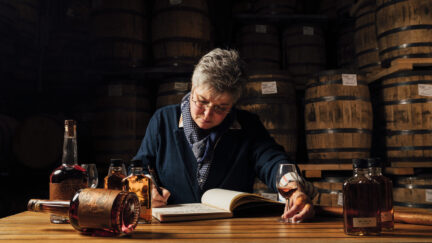
As revealed in a recent study, scientists have discovered an innovative way to use beer to help recycle the heavy metals found in electronic waste. (Photo: ELEVATE/Pexels)
A recent breakthrough in waste management introduces an unconventional solution to tackle the challenge of recycling electronic waste. As reported by News Week on Tuesday, scientists have unveiled a pioneering method utilizing brewer’s yeast, a byproduct of beer production, to extract heavy metals from electronic waste streams. This innovative approach offers a sustainable and cost-effective alternative to traditional recycling techniques.
The study, published in the journal Frontiers in Bioengineering and Biotechnology, demonstrates the efficacy of brewer’s yeast in selectively removing metals such as zinc, aluminum, copper and nickel from complex waste solutions.
“Electronic waste is difficult to recycle because it is very heterogeneous,” Klemens Kremser, a biotechnology researcher at the University of Natural Resources and Life Sciences in Vienna and one of the paper’s authors, said in a statement, per News Week.
“Getting the metals in solution is a first step, but the selective recovery of the metals remains a challenge. Compared to processes such as chemical precipitation, biosorption using spent brewer’s yeast presents a cheap and environmentally friendly approach.”
Results indicate promising recovery rates, with significant percentages of metals successfully retrieved from mock metal waste streams resembling those found in electrical recycling plants.
“Using waste biomass for metal recovery is not a completely new process, but the selectivity of biosorption processes is a key factor for efficient metal recovery from polymetallic waste streams,” Anna Sieber, a fellow at the Austrian metallurgical research center K1-MET and one of the paper’s authors, shared in the statement.
“We demonstrated high metal recovery rates from a complex metal solution using an environmentally friendly and cheap biomass. Yeast biomass is considered a safe organism, and the demonstrated reusability of the biomass makes it an economically feasible approach.”
Notably, the reusability of brewer’s yeast for multiple cycles enhances the economic feasibility of this method. Researchers additionally observed that variations in pH and temperature can optimize metal recovery efficiency.
“The metals can be removed from the yeast surface by acid treatment and thus could be recycled,” Sieber added, per the report. “It would be interesting to investigate potential applications for these reclaimed metals.”
While the technique shows considerable potential for mitigating heavy metal pollution and conserving valuable resources, further research is necessary to explore its scalability and applicability to diverse waste compositions. Nonetheless, this groundbreaking development underscores the importance of harnessing biological resources for sustainable waste management practices. Plus, with beer in the mix, the future looks even brighter!
“The metal removal process in this study was optimized for the four metals in question,” Kremser said, according to News Week.
“The concentration of potentially interfering metal ions was very low in our starting solutions, but this would be important to consider when applying this approach to different mixed metal solutions.”
Read next:
Chemists Discover ‘Fingerprinting’ Technique With ‘Huge Potential’ for Gin Industry
Follow The Daily Pour:
About The Daily Pour
Founded by Dan Abrams, The Daily Pour is the ultimate drinking guide for the modern consumer, covering spirits, non-alcoholic and hemp beverages. With its unique combination of cross-category coverage and signature rating system that aggregates reviews from trusted critics across the internet, The Daily Pour sets the standard as the leading authority in helping consumers discover, compare and enjoy the best of today's evolving drinks landscape.