Paying Stores to Reduce Alcohol Sales? An Ohio Pilot Program Gives it a Shot

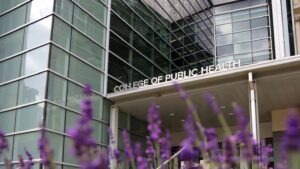
(Photo: Ohio State University)
A pilot program at Ohio State’s College of Public Health dished out financial incentives to local stores that reduced alcohol, tobacco and lottery marketing. The unusual approach — believed to be the first test trial of its kind — yielded promising results, though researchers warn that significant work will have to be done before it’s implemented elsewhere.
Between 2023 and 2024, researchers recruited seven stores in Montgomery County, Ohio, for its Retailers Creating a Responsible Environment program. The initiative included bronze, silver, gold and platinum incentive levels, with rewards ranging from $2,700 to $7,200 for store improvements. To access those rewards, retailers had to follow progressively stricter criteria aimed at reducing youth access and promoting public health.
Stores were encouraged to move advertising at least four feet from the main floor, move tobacco products to a locked case, restrict alcohol sales at or before midnight, implement drug-free workplace policies and keep naloxone kits on site at all times.
After one year, researchers say that five stores achieved bronze status, one reached silver and one reached gold. Six of the participating stores reportedly removed storefront window signage and six posted gambling helpline information. Researchers added that reward funds were used for “practical upgrades,” including roof repairs, lighting and redesigned sales counters.
“It’s really a novel approach and it could inspire other communities to get creative about ways to incentivize compliance,” lead researcher Megan Roberts said. “The tobacco industry alone spends about $6 billion annually on point-of-sale advertising and promotions designed to drive sales.”
The program was not without its hurdles. Though participating stores were happy to comply with the criteria, recruitment appears to have been an uphill battle. Researchers contacted a total of 28 retailers in neighborhoods with high levels of alcohol, tobacco and lottery advertising, and the majority refused to partake.
Roberts says that independently owned stores were more willing to participate, in part because local owners have greater control over policy and signage.
If the program is implemented outside of Ohio, this could be a make-or-break factor. The approach may, for instance, prove successful in a state like New York, where laws prohibit corporate liquor store chains like BevMo! and Total Wine. In areas where Costco Wholesale reigns king, it would likely be a different story.
State-run liquor store states like Alabama, Virginia and Utah open a separate can of worms, though it’s possible that a larger version of the program could yield results if it worked directly with the local government.
The Ohio test trial will continue for the time being with new financial support from the Center for Disease Control and Prevention’s Drug Free Communities Support Program.
“Historically, most enforcement, especially around underage sales, has used the ‘stick’ method, punishing retailers for breaking the law. This community-driven project is based on a ‘carrot’ approach, encouraging the retailers to be partners in public health efforts,” Roberts added.
Follow The Daily Pour:
About The Daily Pour
Founded by Dan Abrams, The Daily Pour is the ultimate drinking guide for the modern consumer, covering spirits, non-alcoholic and hemp beverages. With its unique combination of cross-category coverage and signature rating system that aggregates reviews from trusted critics across the internet, The Daily Pour sets the standard as the leading authority in helping consumers discover, compare and enjoy the best of today's evolving drinks landscape.