Rediscovering the Cantarito With El Mexicano Tequila

(Photos: El Mexicano Tequila)
The margarita, paloma, and ranch water are often regarded as the “Big Three” tequila cocktails in the United States. But travel to the heart of tequila country in Jalisco, Mexico, and you’ll discover a different drink that reigns supreme at roadside stalls and World’s 50 Best Bars alike; a cocktail that embodies a recipe, a drinking vessel, and a tradition poured into one.
We are, of course, talking about the cantarito, a nearly century-old recipe that owes its resurgence in no small part to El Mexicano Tequila, a third-generation, family-owned agave spirits brand with a special connection to the citrusy classic.
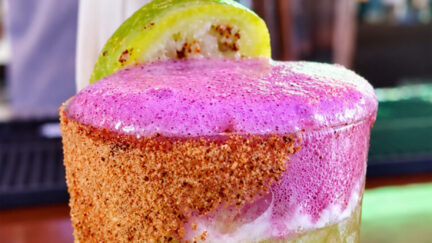
Like any enduring cocktail, the cantarito lies in the eye of the beholder. A thirst-quenching mix of fresh grapefruit juice, lime juice, and orange juice is combined with tequila and a pinch of salt before being finished with either grapefruit soda (a la Squirt or Jarritos) or a splash of sparkling mineral water. For paloma fans, an extra splash of grapefruit; for spice lovers, a sticky-sweet layer of chamoy along the rim.
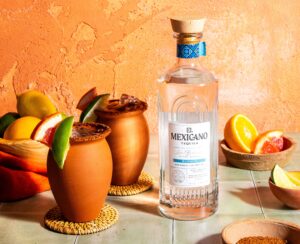
Pour all of that into a cantarito cup — a traditional clay drinking vessel that resembles an orangish football turned on its side — and you’ve got yourself the perfect antidote to a hot summer day.
Can a cantarito be called a cantarito if it isn’t served inside a cantarito? At the risk of sounding like a booze snob, the answer is technically no. At destinations like Cantarito El Güero #1 in Amatitán, Jalisco, a version of the drink served from a monstrously large 21-liter jug is called a cántaro. Elsewhere, you’ll find versions served from a shallow, communal bowl dotted with drinking straws in every direction. This is known humorously as a cazuela voladora — Spanish for “flying cooking pot.”
Whatever its format, the building blocks of the cantarito remain the same. As do the countless explanations for why it must be served in clay.
After all, clay pots have deep ties to the pre-Hispanic ceramic roots of Jalisco, where cities like Tlaquepaque and Tonalá are today synonymous with a Terracotta Army’s worth of cookware, pots, plates, and animal figurines. While many of the region’s ceramic exports are known for their distinct glazes and painted styles, the cantarito is relatively barebones and, famously, is unglazed both inside and out. The difference matters. The cup is traditionally soaked in cold water for up to half an hour before serving, allowing the earthenware to absorb moisture that slowly evaporates into the cocktail and keeps it ice cold. Others would tell you that the clay’s porosity releases a subtle, rustic minerality that pairs with sweet and vegetal hints of grapefruit and tequila.
It was León Bañuelos Sr. — the co-founder and master distiller of El Mexicano Tequila — who brought these finer distinctions into the mainstream. León Sr. spearheaded the introduction and commercial distribution of the modern cantarito cup, which replaced the iconic, though at times cumbersome clay bowls of generations past. Without León Sr., it’s unlikely that the cantarito would be an institution both within and outside of Jalisco.
If you’re hoping to recreate the recipe at home, any variety of El Mexicano Tequila is an excellent choice to bring your cantarito together.
The tequila begins life at the eponymous Hacienda El Mexicano distillery in Arandas, Jalisco, where León Sr. oversees the brand alongside his children León Jr., Tesy, Max and Willy Bañuelos. Blue Weber agaves are harvested from the region’s iron-rich volcanic soils and slow-cooked for nearly a day. After the agaves are crushed to a pulp with a five-bladed roller mill, the juice is fermented in open-air tanks to the tune of classical music, which plays day after day throughout the week-long process.
El Mexicano Blanco’s signature flavors of citrus, black pepper, and mint make it an ideal choice for a cantarito. But there’s no need to stick to the formula. The brand’s high-proof Blanco 90 is an easy recommendation for anyone who prefers their cocktail on the bolder side, while El Mexicano Reposado and Añejo work equally well, so long as you don’t mind combining citrus with oakier hints of vanilla and soft maple.
For more information, be sure to check out the El Mexicano Tequila website!
Cantarito Recipe

Ingredients
- 2 oz El Mexicano Blanco
- 2 oz Fresh Grapefruit Juice
- 3/4 oz Fresh Orange Juice
- 1/2 oz Fresh Lime Juice
- ¼ oz Agave Syrup
- Top with Mineral Water
- 1 pinch of Sea Salt
Directions
- Optional: Rim the Cantarito glass with Tajín.
- Fill the Cantarito cup with ice. Add tequila, juices, agave syrup, and sea salt.
- Stir briefly. Top with mineral water and garnish with a lime wedge.
Follow The Daily Pour:
About The Daily Pour
Founded by Dan Abrams, The Daily Pour is the ultimate drinking guide for the modern consumer, covering spirits, non-alcoholic and hemp beverages. With its unique combination of cross-category coverage and signature rating system that aggregates reviews from trusted critics across the internet, The Daily Pour sets the standard as the leading authority in helping consumers discover, compare and enjoy the best of today's evolving drinks landscape.