Government Sets Deadline to Stop Selling Products Colored With Red No. 3 Dye

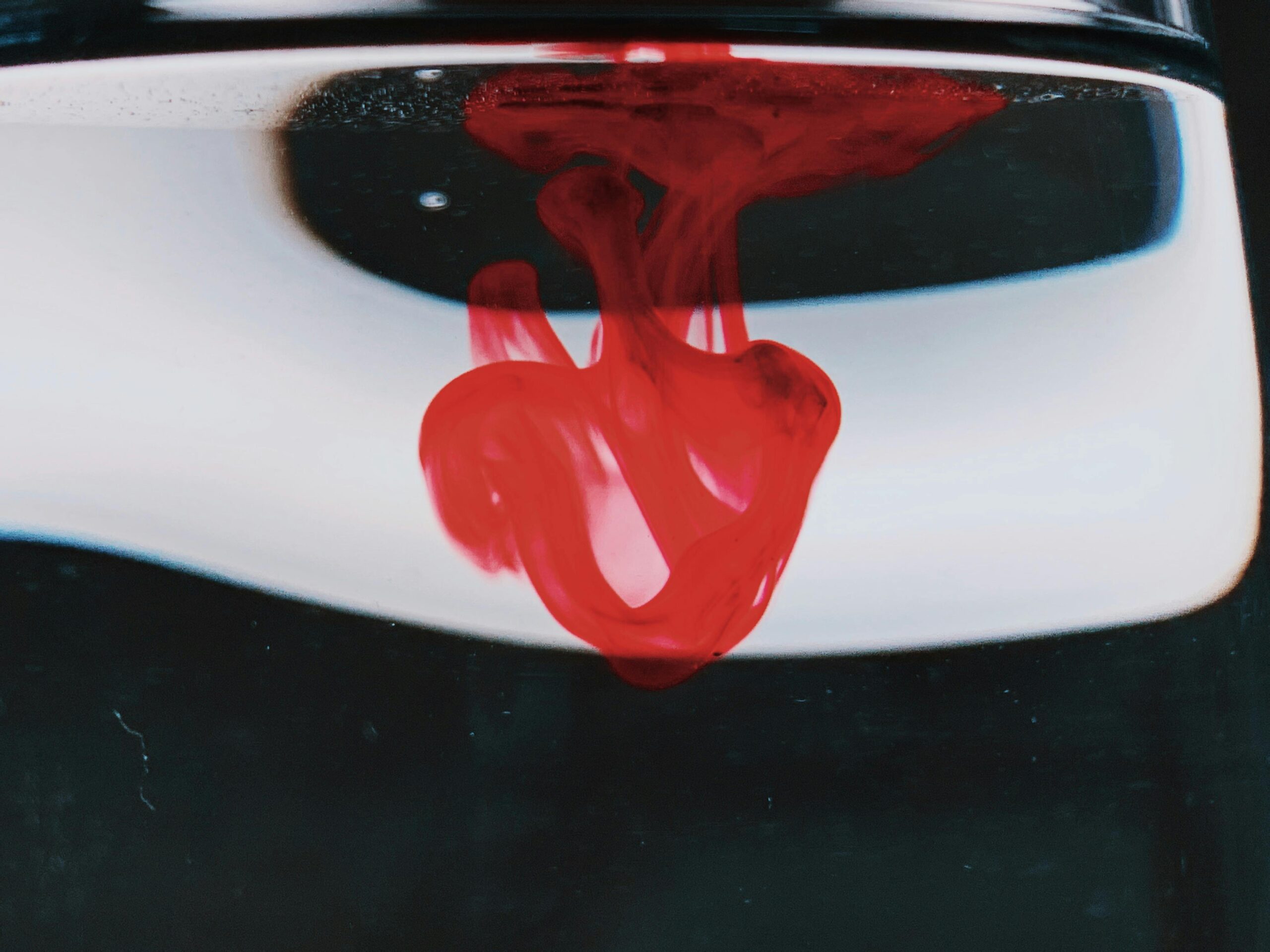
(Pexels/Diana)
Alcohol producers have less than a year to prepare for changes to approved color additives in food and beverage products, including spirits, wine and beer.
The Alcohol and Tobacco Tax and Trade Bureau announced on Monday that the U.S. Department of Health and Human Services and the U.S. Food and Drug Administration are working with industry to remove petroleum-based synthetic dyes from the food supply. That effort includes alcoholic beverages.
FD&C Red No. 3 will no longer be allowed in foods, including alcohol products. Industry members must reformulate affected products by Jan. 15, 2027.
In July 2025, FDA encouraged manufacturers to phase out FD&C Red No. 3 before the deadline.
A Shift Toward Natural Color Additives
As part of the transition, FDA has approved several new color additives derived from natural sources.
On May 9, the agency granted three new color additive petitions. A fourth petition was granted on July 17.
Under the Federal Food, Drug, and Cosmetic Act, color additives require FDA pre-market approval before use in food. Petitioners must submit data that show the additive is safe and suitable for its intended use.
Once FDA approves a petition and issues a regulation, any manufacturer may use the additive for the uses described in that rule.
An example the FDA offered: butterfly pea flower extract received approval for certain uses that include coloring alcoholic beverages. Other recent approvals for natural colors do not automatically cover alcohol products.
What Alcohol Producers Need to Know
A color additive approved for use in food generally may be used in alcohol beverages unless the regulation states otherwise. However, many regulations limit a color additive to specific foods. If the regulation does not list alcoholic beverages as an intended use, producers may not use it in spirits, wine or beer.
That distinction applies to both synthetic and natural color additives.
Producers should review each color additive regulation to confirm whether alcohol use is authorized.
The TTB advises industry members to consult FDA resources on color additive petitions and to contact FDA at [email protected]
with questions about the approval process.
For product classification or permitted uses of specific color additives, producers can contact TTB’s Alcohol Labeling and Formulation Division through its online contact form.
Questions about nonbeverage products should go to TTB’s Nonbeverage Alcohol and Tobacco Branch through the Scientific Services Division contact form.
The guidance signals a compliance shift for alcohol brands that rely on added color. With the 2027 deadline approaching, producers may need to review formulas, labels and supply chains to stay in line with federal rules.
Follow The Daily Pour:
About The Daily Pour
Founded by Dan Abrams, The Daily Pour is the ultimate drinking guide for the modern consumer, covering spirits, non-alcoholic and hemp beverages. With its unique combination of cross-category coverage and signature rating system that aggregates reviews from trusted critics across the internet, The Daily Pour sets the standard as the leading authority in helping consumers discover, compare and enjoy the best of today's evolving drinks landscape.