10 Wine and Spirits Trends to Look Out For in 2026, According to the Country’s Largest Alcohol Distributor

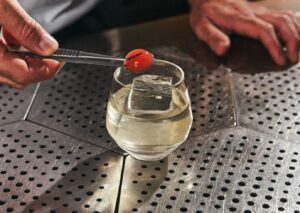
(Photo: Little Red Door)
2025 was poured to the brim with mixology trends large and small. The rise of $20 mocktails, served alongside savory drinks making use of everything from Cheez-Its to tomatoes. Culinary foams, fat washes and — how could we forget — the ubiquitous espresso martini.
Southern Glazer’s, the largest alcohol distributor in America, has a few guesses at what’s coming next. For its latest Liquid Insights Tour, the company sent its team to explore 31 restaurants and bars across London and Paris in search of the next big boozy thing setting sail toward the United States.
“Both London and Paris are global capitals of flavor, style and innovation,” Brian Masilionis, senior director of on-premise channel insights, remarked in a news release. “By visiting a curated range of venues – from hidden gems with experimental cocktail programs to Michelin-starred dining rooms embracing flavor variation by wine regions with tiered tasting menus – we gained a clear view into where the beverage world is headed next and how shifting consumer preferences are shaping wine and spirits menus.”
Here the 10 wine and spirits trends that Southern Glazer’s predicts for the new year — accompanied by our insights (and polite disagreements).
#1: Rise of Cordials and Aperitifs
It should come as no surprise that aperitifs — particularly those of the bitter, red and Italian variety — continue to dominate the conversation. Campari and Aperol have been on a roll over the past few years, spawning many a viral moment thanks to the breakout popularity of the Negroni and Aperol Spritz. Though the brand’s respective sales have lulled in recent months, interest in the category only seems to be gaining momentum. Liqueurs like Fernet-Branca, Amaro Montenegro and Green Chartreuse have evolved from cult hits into bona fide mainstream successes, disproving the stereotype that certain drinks are only suited for nerdy bartenders and spirits historians.
2. Infused Innovation
Southern Glazer’s identified the rise of “culinary artistry” in the drinks space, calling attention to techniques like yogurt clarification, fat washes and rotary evaporator distillates. If you’ve ever had the pleasure of visiting one of the World’s Best Bars, then you already know what to expect — or rather, what expectations should be tossed out the window. The most obvious example is New York City’s Double Chicken Please, the Manhattan hotspot that’s turned cocktails like the Cold Pizza Margarita and NY Beet Salad into a viral empire. Mexico City’s Handshake Speakeasy — currently the top-ranked bar in North America — grabs from a similar bag of tricks, wowing guests with drinks like its Mushroom Old Fashioned and vodka-forward Peanut Butter and Jelly.
3. Tiny Pours and Tasting Menus
Tasting menus, at one point synonymous with prohibitively expensive Michelin-starred restaurants, seem to be catching on in the drinks space. The concept is a snug fit for cocktails like the martini, wherein their many variations (dirty, dry, 50:50, Vesper, etc.) can be sampled side by side. We’d love to see the tasting menu format applied to a margarita or an Old Fashioned, though we’re sure a clever bar has already beaten us to the punch.
4. Amplified Asian Influence
Asian flavors like yuzu, shiso, sake, umeshu plum, miso and rice mirin are surging onto cocktail menus. Simplifying this into a single trend rather than a whole list of its own feels like a disservice, if only because there’s so much to be said. On the one hand, you’ve got drinks like the lychee martini and green tea shot — single-flavor cocktails that are easy to mix up in a pinch yet complex enough to demand a spot on the high-end menu. Elsewhere, guests can enjoy the varied worlds of sake, soju, baijiu and Japanese whisky, all of which have expanded their global footprint to never-before-seen heights over the past decades.
5. Min Presentation, Max Flavor
Southern Glazer’s says that European mixologists are gravitating toward simple yet elegant vessels that allow flavor to shine. According to the team, garnishes are gravitating toward the “purposeful and bold,” like a fresh-baked bread infused with fortified blueberries and a strawberry fruit crisp made by a pastry chef. Though the movement has definitely caught on at some of America’s more lux destinations, we’d argue that maximalism is still alive and well. Thanks in no small part to social media, many of the country’s most famous spots are leaning full tilt into the theatrics of color-changing drinks, gimmicky glasses and plumes of cedar-scented smoke. We’d guess that minimalism versus maximalism — rather than one or the other — will be one of the most talked-about trends of 2026.
6. Luxe Low- and No-Alcohol
Non-alcoholic spirits and sparkling wines/teas reportedly ranked as the seventh most-used ingredient on European menus, beating out both tequila and cognac. The zero-proof category is going premium, and it’s getting there fast. Bars across the world are building out non-alcoholic cocktail menus on par with the quality (and price) of their alcoholic offerings, often using many of the same techniques and ingredients. The trend is gaining just as much momentum on the corporate side. Giants like LVMH, Diageo and Pernod Ricard are investing billions into NA wines and spirits, as sure a sign as any that the category will explode in years to come.
7. Carbonation and Texture Play
The Southern Glazer’s team called attention to a couple of interesting, albeit very different mixology techniques. The first was flash carbonation, wherein a custom setup is used to carbonate an entire cocktail. A touch more complicated than using a Sodastream at home, the process yields a unique texture and flavor in which every ingredient is as bubbly as the last. The team also found a lot to like in unique milk punches that made use of yogurt, clotted cream and even rice pudding.
8. Wine by the Glass, Redefined
Southern Glazer’s says London and Paris are broadening accessibility to wine by offering 2-ounce “tasting sizes” and 1-ounce “luxury sips.” We applaud the change of pace. Nothing is worse than a bottle that can only be tasted vicariously through an influencer, especially at a time when budgeting feels more important than ever. In light of the wine bar boom witnessed in Los Angeles and New York over the past few years, we imagine that small, high-end pours would be a natural fit for American audiences.
9. Wine Lists Educate and Entice
Flavors, varietals, blends, vintages and appellations are getting helpful explanations on menus across Europe. It’s a simple yet much-needed touch, and a concept that can be applied to just about any category. We’d love to see the idea applied to tequila, for which terroir has played a big role in recent years, or whiskey, where terms like single malt and toasted are tossed around more often than they’re explained.
10. Beverage Menus Tell a Story
Last but not least, Southern Glazer’s touched on the notion of immersion, listing examples like drink illustrations, whimsical descriptions and storybook keepsakes. These are little, memorable ways that bars can stand out from the crowd, often by tying the guest experience to an emotional or cultural hook. In September, The Macallan unveiled a trio of collectible charms at Death & Co. locations across the U.S., where customers answered a series of questions to “unlock” a drink and trinket tailored to their preferences. For a simpler twist on immersion, look no further than Mexi Stone Street, where the menu is laid out like a deck of Mexican lotería cards.
Follow The Daily Pour:
About The Daily Pour
Founded by Dan Abrams, The Daily Pour is the ultimate drinking guide for the modern consumer, covering spirits, non-alcoholic and hemp beverages. With its unique combination of cross-category coverage and signature rating system that aggregates reviews from trusted critics across the internet, The Daily Pour sets the standard as the leading authority in helping consumers discover, compare and enjoy the best of today's evolving drinks landscape.