Why Americans Can’t Get Enough of Reposado Tequila


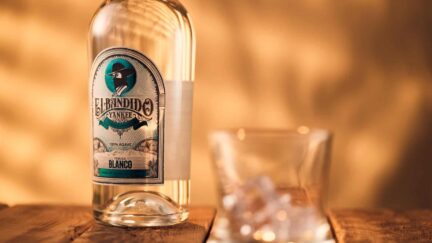
(Photo: El Tequileno)
America’s fascination with tequila flies in the face of every trend shaping today’s alcohol market. Younger consumers are drinking less than generations before them (but are they really?), sending spirits like rum, whiskey, vodka and brandy into a “severe downturn,” per a recent report by SipSource. Money is tight, the tariffs are high and rallying cries like Dry January have hit the zeitgeist like a sobriety lightning bolt.
Despite the dour mood, agave spirits show no sign of slowing down. The category is one of few projected for continued growth in years to come, snowballing successes in the late 2010s into win after win on liquor store shelves. The era of margaritas and hangover shots gave way to the glitz of celebrity brands, later supplanted by the hipster jump toward mezcal and additive-free bottlings. The latest in a series of godsends? The unexpected rise of the reposado.
View this post on Instagram
According to Nielsen IQ, reposado market value grew by 15.1% between 2024 and 2025, beating out two of the categories’ regular favorites — the blanco and the gold — by double-digit margins. The subgroup now accounts for 25% of all tequila bottles sold, growing its cultural cachet with shouts out on the red carpet, in songs and, perhaps most importantly, at the club. Awareness of the age statement has reached a point where it even has its very own Amazon show titled “Tequila Re-Pasado” (Plot blurb: “A workaholic must outwit his multiplying clones after a magical tequila travels him back in time — again and again”).
Reposado, Spanish for rested, refers to tequilas matured between two and twelve months in oak barrels. Think of them like an oh-so-lightly toasted piece of bread. Though reposados are by all means an aged spirit, their hay-yellow hue and pastry aroma suggest that they fall somewhere between the definitions. For consumers looking to compromise between clear and dark liquor, the reposado is a one-of-a-kind discovery.
“Reposados offer the best of both worlds. They keep the freshness of Blanco tequila, while light barrel aging adds softness and familiarity, especially for drinkers coming from whiskey or bourbon,” Steffin Oghene, vice president of international sales at El Tequileño, told us. “They also work exceptionally well in cocktails, giving bartenders more texture without overpowering the drink.
“In Mexico, Reposado has long been part of everyday tequila culture. It is appreciated for how gentle wood aging enhances the agave rather than changing it, making it easy to enjoy with food, at gatherings or sipped casually.”
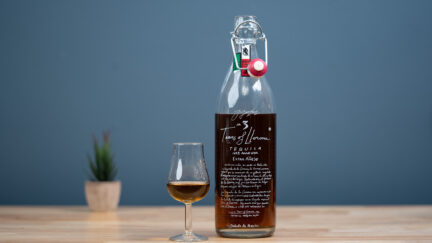
Like much else in the spirits industry, the exact definition can be fickle. Regulators have strict rules on what can and cannot be called a reposado, leaving certain products in a vague in between. El Tequileño Reposado Rare, a 6-year-old collector’s item that can cost well over $200, falls short of extra añejo status due to its abnormally large aging barrels. The same goes for Volcan de Mi Tierra X.A., a mix of reposado, añejo and extra añejo reserves that can legally only be labeled with the youngest age statement in its batch.
But you won’t hear distillers complaining. The reposado has evolved into a marketing buzzword in and of itself, bouncing from social media feeds to bar counters as consumers flex their knowledge of the lingo. Even if people don’t know exactly what a reposado is (or, for that matter, how to say it), they know that it speaks to a selectivity beyond the bottom-shelf basics. The cherry on top: Reposados are considerably less expensive than their ultra-aged counterparts, making them an ideal “premium” choice, minus the price tag.
“In my experience behind the bar, guests are gravitating toward reposado because it feels elevated without being intimidating,” Gonzalo Ramos, bartender at New York City’s The Portrait Bar, says.
“Blanco showcases pure agave, añejo leans into oak — but reposado gives you balance. You get the brightness of agave layered with subtle vanilla, spice, and texture from barrel aging. It plays beautifully in spirit-forward cocktails while still shining neat.”
Though the reposado may be an up-and-coming giant for shots and solo sipping, its place in the mixology world is less defined. The three amigos of tequila cocktails — the Margarita, Paloma and Ranch Water — can all be made with aged tequila, but they’re usually not unless specified otherwise. Drinkers seeking out a signature, widely available reposado cocktail might opt for the Jalisco Flower or the Negroni-adjacent Rosita if their bartender is up to the task. Neither, however, is particularly iconic, nor are contemporaries like the Cantinflas Mustache or Palo Negro.
Instead, reposados are most often found in house specials. Their sweet, singed agave flavor plays well with dark, borderline-savory ingredients, distinguishing them from the citrus typically found in blanco cocktails and the endless Old Fashioned riffs of the añejo and extra añejo.
Mexi Stone Street, home to one of the most extensive agave spirits selections on the East Coast, uses reposado tequila as the key ingredient of its spiced and smoky El Agente, a mix of sweet vermouth, peach liqueur, chipotle honey and lemon. At Suerte, a fixture of Austin’s East 6th Street strip, the Wild West meets 21st-century Texas in the Don Dario (reposado, sarsaparilla and tamarind), while Los Angeles’ Dama flexes the spirit in its velvety Flor De Luna (reposado, amaretto, white cacao, and cinnamon). Visitors at Disney World’s Mexico Pavilion can even order a drink made with reposado mezcal, poblano liqueur and a ginger-peach cordial.
Will the reposado ever find a cocktail champion on par with the margarita? It’s hard to say — but maybe that’s the point. Tequila has fought long and hard to distinguish itself as more than a mixology tool, a reputation that defined its legacy throughout most of the 20th century. It wasn’t until the mid-2010s that the market emerged as we know it today, and even then, status was largely defined by celebrity co-signs and music video appearances rather than the quality of the liquid.
The popularity of an age statement that sounds, looks and smells like a premium option signals a turning point for the industry, one that distillers will likely be chasing for years to come.
Follow The Daily Pour:
About The Daily Pour
Founded by Dan Abrams, The Daily Pour is the ultimate drinking guide for the modern consumer, covering spirits, non-alcoholic and hemp beverages. With its unique combination of cross-category coverage and signature rating system that aggregates reviews from trusted critics across the internet, The Daily Pour sets the standard as the leading authority in helping consumers discover, compare and enjoy the best of today's evolving drinks landscape.