Non-Alcoholic Wine Takes Center Stage at Wine Paris 2026

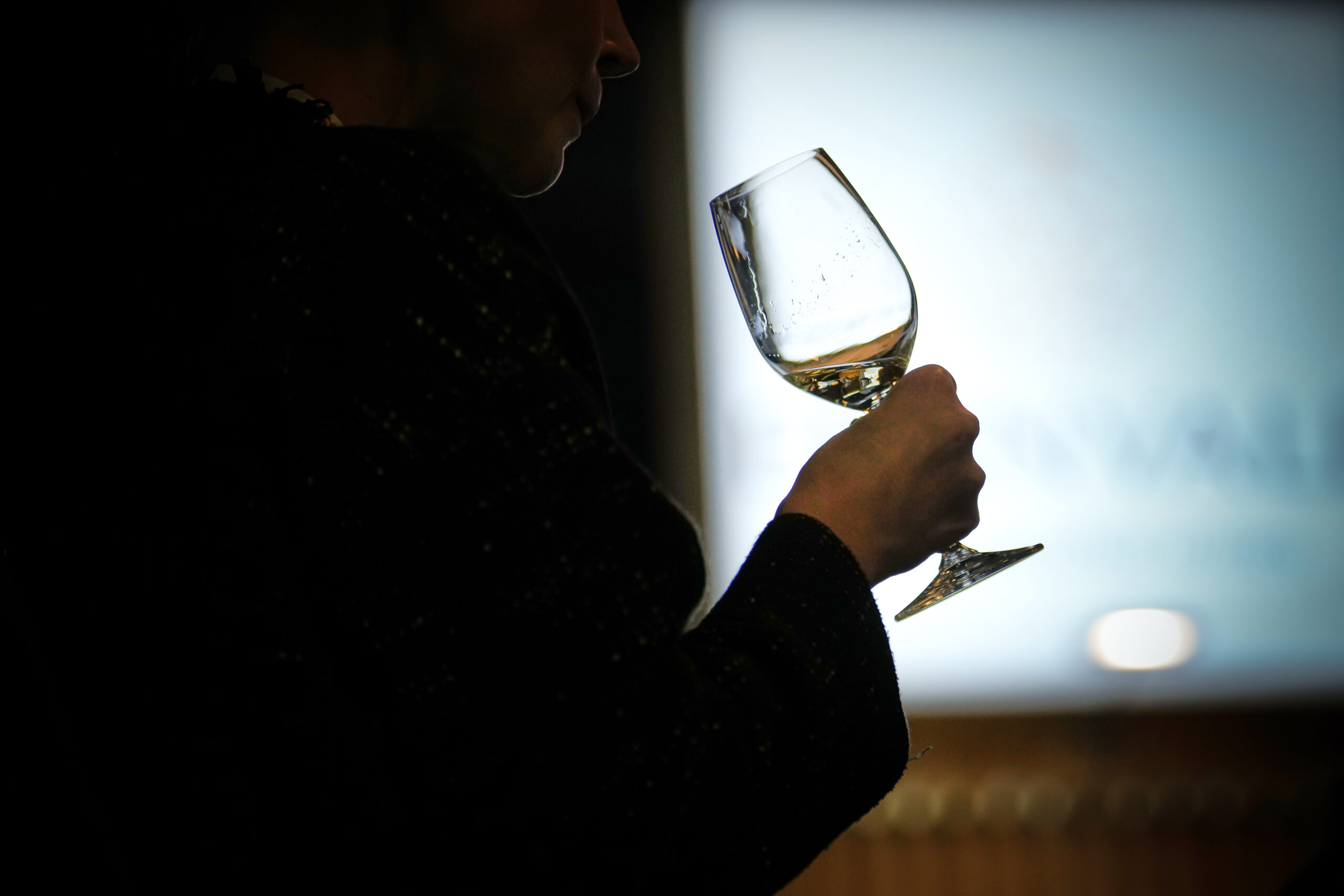
Visitor tastes non-alcoholic wines at the Wine Paris 2026 fair, at the Porte de Versailles exhibition center Feb. 10 in Paris, France. (AP Photo/Aurelien Morissard)
From Feb. 9-11, we attended Wine Paris 2026 at the Porte de Versailles. The name may still suggest a traditional wine-first agenda, but the reality is more nuanced. Alongside its spirits extension, “Be Spirits,” a new non-alcoholic section now exists, curiously branded “Be No.” Is it a call to arms to “be” non-alcoholic, or simply an afterthought extension of its spirits counterpart? The branding begs questions, but the show was well worth attending.
If there was doubt about whether non-alcoholic wine alternatives and de-alcoholized wines have truly arrived in terms of quality, the exhibitors of “Be No” put that question to rest — and what better place to do it than in Paris? From the refined Sparkling Tea by Pettersson & Munthe, served at the Nobel Prize dinners, to Bolle’s newly launched Reserve Chardonnay sourced from Burgundy and double-fermented for depth, the level of craftsmanship on display was striking.
Zeronimo’s Grüner Veltliner, Moderato’s Colombard, Nett’s Pinot Bianco, Kisumé’s white and rose from Aubert et Mathieu and the multi-layered experience that is NON wine alternatives all demonstrated this is not a category to underestimate. What stood out most was not just the number of brands, but the sophistication and variance of techniques. For example, Soolong T-Vino is an alcohol-free beverage line that blends de-alcoholized white wine with high-quality, cold-brewed tea, creating a unique and elevated wine-like alternative.
Equally notable was the energy within the pavilion. Laura Willoughby, co-founder of Club Soda, didn’t just present but was actively circulating the floor before the seminar, asking attendees whether they were buyers, retailers or distributors – signaling how seriously the category is taking its commercial goals and mission to secure more distribution.
A Problem to Solve: The Distribution Reality
There’s no doubt that quality has arrived for non-alc wine, so the question becomes: why can’t you find these wines anywhere?
The drinks industry remains deeply fragmented, with complex layers of importers, distributors, retailers and gatekeepers. Breaking through requires more than innovation; it demands strategic distribution and localized market understanding. A one-size-fits-all approach will not work. French consumers, for instance, often show a strong preference for French brands, even within the non-alcoholic category. To succeed, the market will need to have dedicated and savvy channel strategists.
And then there is the consumer education gap. The liquids may largely be ready, but the the consumer mindset still needs nurturing. As Willoughby noted, education through tasting and exposure is critical. Consumers must be given opportunities to experience these products in context at festivals, retail tastings and curated pairings rather than encountering them as isolated substitutes. In other words, the category’s next frontier is perception.
As Soft Crush founder Mark Kuspira reminded us, things change. A few decades ago, dinner parties followed predictable rituals: couples arrived together, smoking was socially accepted and alcohol flowed from aperitif to digestif without interruption. Today, vegetarian and vegan lifestyles, once niche, are mainstream, and alcohol moderation is undergoing a similar normalization. Consumption habits are shaped by wellness and lifestyle tracking. The rise of sleep optimization and tracking tools like Oura rings is intertwined with the rise of alcohol moderation as people wake up and check their sleep scores. In this light, the growth of non-alcoholic wine is less a trend and more a reflection of broader cultural evolution towards healthier living.
Wine Paris may still be catching up in how it labels its non-alcoholic section, but the exhibitors themselves made one thing clear: Non-alcoholic wine alternatives are no longer a curiosity. They are a credible segment redefining what quality in a glass can mean.
Follow The Daily Pour:
About The Daily Pour
Founded by Dan Abrams, The Daily Pour is the ultimate drinking guide for the modern consumer, covering spirits, non-alcoholic and hemp beverages. With its unique combination of cross-category coverage and signature rating system that aggregates reviews from trusted critics across the internet, The Daily Pour sets the standard as the leading authority in helping consumers discover, compare and enjoy the best of today's evolving drinks landscape.