Federal Hemp Ban May Prove Impossible to Enforce, Experts Warn

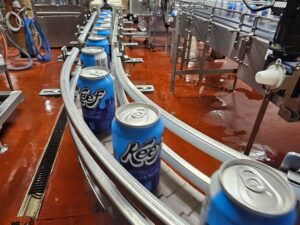
Cans of seltzer containing THC, the active ingredient in marijuana, speed down the canning line at Indeed Brewing in Minneapolis on Thursday, Nov. 20, 2025. (Photo: AP Photo/Steve Karnowski)
Experts say that the federal hemp ban, poised to wipe the majority of hemp-derived THC products from the market within the next 11 months, may be rendered obsolete by state authorities and the ambiguities of online commerce.
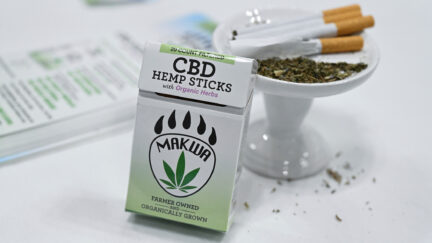
In November, a spending bill changed the definition of hemp to a total THC concentration of less than 0.3% by dry weight. The small but mighty distinction will affect a swath of products that have appeared on convenience store shelves over the past seven years, many of which are labeled as delta-8 or delta-9 THC. The hemp-derived THC category — currently pegged at a market value of $28 billion — spans flower, beverages, edibles, vapes and tinctures, nearly all of which are slated to become illegal if the law takes effect on Nov. 12, 2026.
Some hemp industry insiders remain cautiously optimistic that the language will be amended, while others fear the worst is yet to come. A Congressional report published last week, however, suggests the ban might be more bark than bite.
“While the change to the hemp definition will seemingly alter the legal status of many hemp products currently available on the market, it remains unclear if and how federal law enforcement will enforce the new prohibitions when the new definition goes into effect,” researchers wrote.
Though hemp-derived THC is slated to become illegal on the national level, Congressional researchers note that both the FDA and DEA “may lack the resources” to broadly enforce the ban. Instead, responsibility will likely fall into the hands of state lawmakers and local authorities.
If the government follows the same blueprint as it did for cannabis (which, need we remember, remains federally illegal), then states may splinter into a patchwork of different jurisdictions, each with its own approach to hemp enforcement or the lack thereof.
“A replay of the marijuana scenario is possible, whereby federal law technically bans the conduct, but day-to-day enforcement is shaped by protective state policy and muted federal enforcement priorities,” Ian A. Stewart of the Wilson Elser law firm predicts. “That uncertainty leaves businesses whipsawed between divergent expectations and opens room for illicit markets to persist.”
Stewart says that interstate commerce and online shipping will further complicate the matter, particularly in cases where enforcement falls to the federal authorities.
“Products that are legal under one state’s current rules will face federal shipping and mail constraints with potential felony exposure. […] Meanwhile, online sales – already a major channel – pose jurisdictional headaches from questions such as where is the violation happening, and who has the appetite to pursue it?”
Follow The Daily Pour:
About The Daily Pour
Founded by Dan Abrams, The Daily Pour is the ultimate drinking guide for the modern consumer, covering spirits, non-alcoholic and hemp beverages. With its unique combination of cross-category coverage and signature rating system that aggregates reviews from trusted critics across the internet, The Daily Pour sets the standard as the leading authority in helping consumers discover, compare and enjoy the best of today's evolving drinks landscape.