Whisky vs. Whiskey: What’s the Difference?


Whisky vs Whiskey: How should you spell it? (Jane Barlow/PA Wire URN:59277880 (Press Association via AP Images)
If you’ve ever wondered whether it’s spelled whisky or whiskey, you’re not alone. Both spellings are correct — it just depends on where the spirit comes from.
The Geography of Spelling
The key difference between “whisky” and “whiskey” boils down to geography and tradition:
Scotland, Canada and Japan drop the “e” and use whisky.
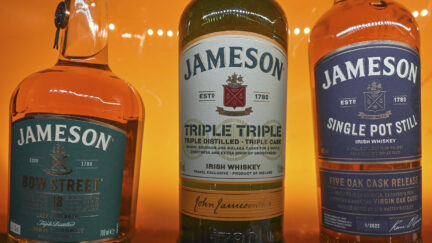
Ireland and the United States include the “e”, spelling it whiskey.
This variation can be confusing, but it’s rooted in national pride, history and regional preferences in distilling.
An Easy Way to Remember
Here’s a handy trick:
For the usual-suspect countries in whisk(e)y, if the country’s name has an “e” in it, so does its whiskey.
United States ➝ whiskey
Ireland ➝ whiskey
Scotland, Canada, Japan ➝ whisky
This simple mnemonic can help you keep the spelling straight when reading labels, ordering at a bar or writing about your favorite spirit.
Why It Matters
While it might seem like a minor difference, the spelling can hint at where and how a spirit was made. For whiskey lovers, it’s a nod to the heritage and identity of the distiller — and to the style of the drink itself.
So next time you raise a glass, you’ll know not just what you’re drinking, but how to spell it, too.
Frequently Asked Questions
❓ Is there a difference in taste between whisky and whiskey?
Not necessarily. The spelling reflects geographic origin, not flavor. However, styles often vary by region. For example, scotch whisky is made from barley and often imbued with smoky flavors via peat, while American whiskey (like bourbon) tends to be sweeter and oakier, thanks to the corn it’s distilled from and the new charred oak casks it’s aged in.
❓ Why do Scotland and Ireland spell it differently?
When Irish distillers wanted to distinguish their spirits from Scotch in the 19th century, they added an “e” to “whiskey.” The U.S. later adopted the Irish spelling.
❓ Can I use “whisky” and “whiskey” interchangeably?
Technically yes, but for accuracy — especially in writing or branding — it’s best to match the spelling to the spirit’s country of origin. The good news is, whisky and whiskey are pronounced the same, so no need to worry about it when you’re speaking!
Follow The Daily Pour:
About The Daily Pour
Founded by Dan Abrams, The Daily Pour is the ultimate drinking guide for the modern consumer, covering spirits, non-alcoholic and hemp beverages. With its unique combination of cross-category coverage and signature rating system that aggregates reviews from trusted critics across the internet, The Daily Pour sets the standard as the leading authority in helping consumers discover, compare and enjoy the best of today's evolving drinks landscape.