The 9 Best Japanese Whiskies, Ranked by Critics

Japanese whisky has spent years clawing its way to the top of the global spirits conversation, and at this point the argument is settled. The category produces some of the most compelling malt and blended whisky on the planet, period. But not all bottles are created equal, and the price spread is wild, ranging from approachable sub-$100 finds to five-figure collector’s items that make your accountant weep.
The nine bottles below are ranked using The Daily Pour Critics’ Score, our proprietary metric that aggregates our house rating with scores from the most trusted critics across the internet. Ties are broken by price, accessibility and editorial judgment. These are the best Japanese whiskies our critics have reviewed, and they make a strong case for the category all on their own.
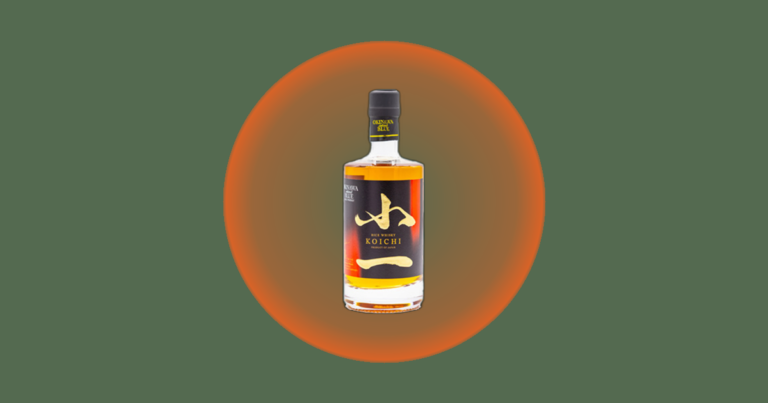
9. Okinawa Blue Koichi Whisky
Check Out the Reviews
Opening the list is something genuinely unusual: Okinawa Island Blue Koichi Rice Whisky, an unpeated NAS expression produced by Kumesen Syuzo Co., a distillery better known for its Okinawan awamori. Bottled at a punchy 51% ABV in a 500ml format and priced in the $60 to $99 range, this is rice whisky in the most literal, regional sense, rooted in the distilling culture of an island that has its own distinct relationship with fermented grain. It shares a 94 Critics’ Score with three other entries on this list, and it lands at the bottom of that group purely on the basis of accessibility and format size. That said, it earns its place here as one of the more idiosyncratic bottles in the Japanese whisky conversation, and for curious drinkers who want something that doesn’t taste like every other single malt on the shelf, it’s worth seeking out.
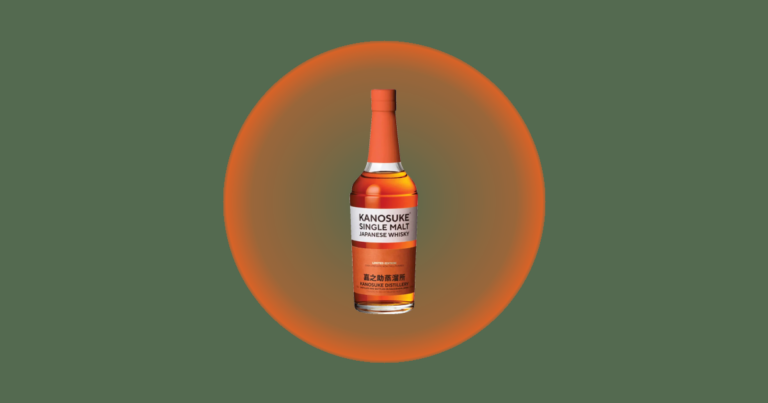
8. Kanosuke Single Malt Japanese Whisky
Check Out the Reviews
Kanosuke Single Malt Japanese Whisky is the product of one of Japan’s more forward-thinking newer distilleries, built by Komasa Kanosuke Distillery in Kagoshima Prefecture using three copper pot stills with distinct neck shapes and lyne arm angles, each designed to produce a different character of spirit. The cask program is equally deliberate: re-charred American oak that previously held Mellowed Kozuru rice shochu, ex-bourbon barrels and sherry casks all contribute to the final blend. Bottled at 48% ABV and priced around $100, this NAS expression punches well above its cost, and the shochu-seasoned casks in particular give it a profile that no Scottish distillery could replicate. It ties on score with the Okinawa Blue Koichi but earns a higher slot here on the strength of its wider availability and the sheer ambition of its production story.
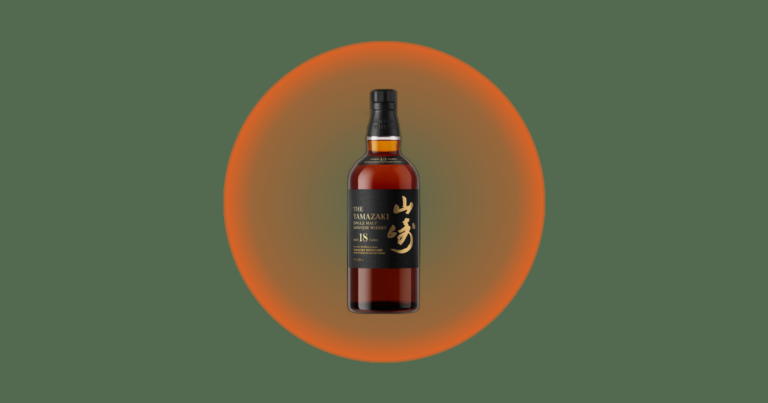
7. The Yamazaki Single Malt Japanese Whisky Aged 18 Years
Check Out the Reviews
At an average market price of around $1,050, The Yamazaki 18 Year Old is the kind of bottle that demands justification, and it mostly delivers one. Distilled from 100% malted barley and aged 18 years in sherry casks at Japan’s oldest distillery, this 43% ABV expression opens with roasty malt, sherried pear and cherry, a flicker of tangerine and something that reads almost like root beer. On the palate it shifts into darker territory: heavy oak tannin, tobacco, macadamia, melon and a savory umami quality that calls to mind a bowl of dashi broth (unexpected and completely arresting). The finish is long, forest-floor damp, with dried fruit and vanilla shortbread fading slowly under a curtain of char. At 86 proof it shouldn’t have this much presence, but it does. It ties the Mizunara 100th Anniversary at 94 points and lands below it here on price and editorial ordering, but it’s the more approachable of the two Yamazaki 18s on this list, for whatever “approachable” means at four figures.
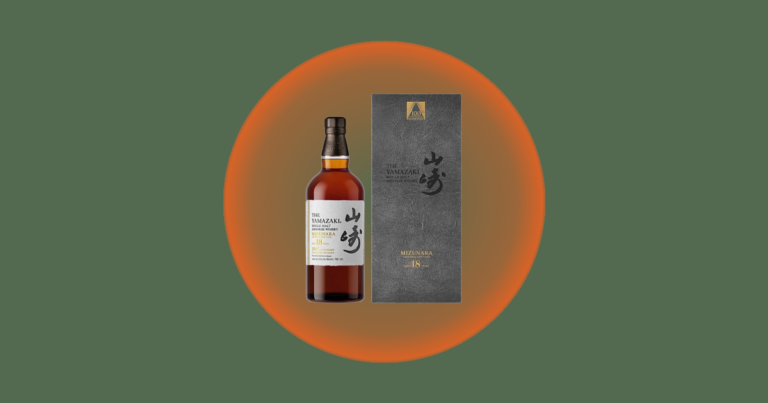
6. The Yamazaki 18 Year Old Mizunara 100th Anniversary Suntory Whisky
Check Out the Reviews
Released in May 2023 to mark the House of Suntory’s centennial, The Yamazaki 18 Year Old Mizunara 100th Anniversary is aged exclusively in Japanese Mizunara oak, bottled at 96 proof and carries a suggested retail of $1,500. Mizunara is notoriously difficult to work with, slow to impart its character and prone to leaking, which makes the payoff here all the more satisfying. The nose is lush and layered: molasses and honey twisting around baking spice, anise, black tea and sandalwood, with a whisper of pepper cutting through the sweetness. The palate follows through with cola and root beer notes that sound bizarre on paper and taste like a revelation in the glass. The finish is long and impeccably balanced, a significant departure from the leaner, thinner Yamazaki expressions that critics have occasionally dinged over the years. This is Suntory operating at full capacity, and at 94 points it matches the standard 18 Year Old on score while justifying its higher price tag through sheer occasion.
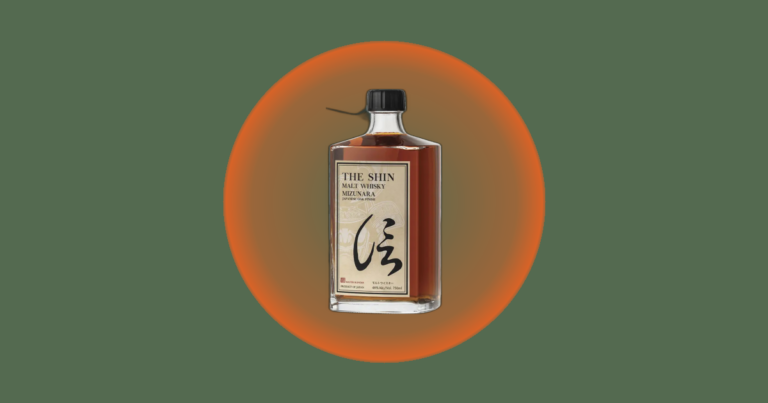
5. The Shin Japanese Malt Whisky Mizunara Oak Finish
Check Out the Reviews
Here is where the scores take a step up, and the value proposition gets almost embarrassing. The Shin Japanese Malt Whisky Mizunara Oak Finish, produced at Shinobu Distillery in Niigata Prefecture and aged in Mizunara oak barrels, earns a 95 Critics’ Score and retails in the $60 to $99 range. Niigata is known for its exceptionally soft water and cold climate, both of which tend to produce whiskies with a particular kind of restrained elegance, and the Mizunara finish adds the incense-like, sandalwood-adjacent character that makes Japanese oak so prized. For a bottle at this price point to hit 95 points is the kind of thing that makes you question every expensive purchase you’ve ever made. It shares its score with two other entries on this list, and it lands here rather than higher purely because its 15-year sibling from the same distillery is, frankly, better.
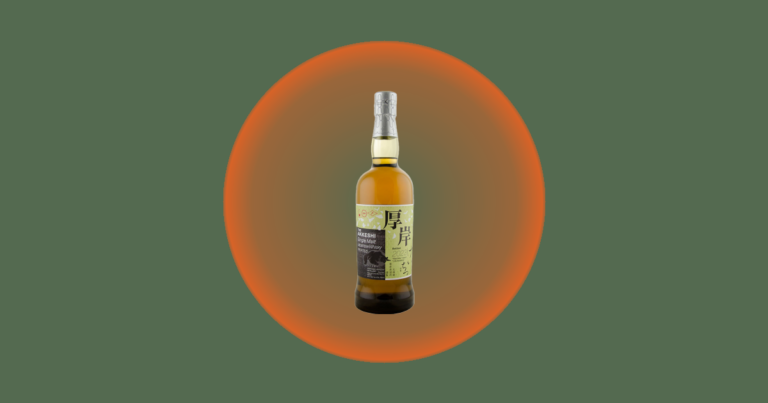
4. The Akkeshi Single Malt Japanese Whisky Peated 2023
Check Out the Reviews
Akkeshi Distillery sits on the eastern coast of Hokkaido, and if you’ve never thought about what it means to peat a whisky with locally grown Hokkaido barley aged in Mizunara oak from the same island, The Akkeshi Single Malt Japanese Whisky Peated Keichitsu 2023 will make you think about it hard. The 10th release in Akkeshi’s 24 Sekki series, this non-chill filtered NAS expression is bottled at a bold 55% ABV and runs between $100 and $199. It’s double distilled in Forsythe copper pot stills and aged across Mizunara, ex-bourbon, ex-sherry and ex-red wine barrels, a cask program that sounds like it could go sideways in a dozen directions and instead holds together with impressive coherence. The peat here is the Japanese interpretation of smoke: present, purposeful and nowhere near as aggressive as an Islay bruiser. At 95 points, it ties The Shin NAS and The Last Drop No. 39, and it earns its spot above both on the strength of its distillery ambition and the fact that it’s still findable at a reasonable price.
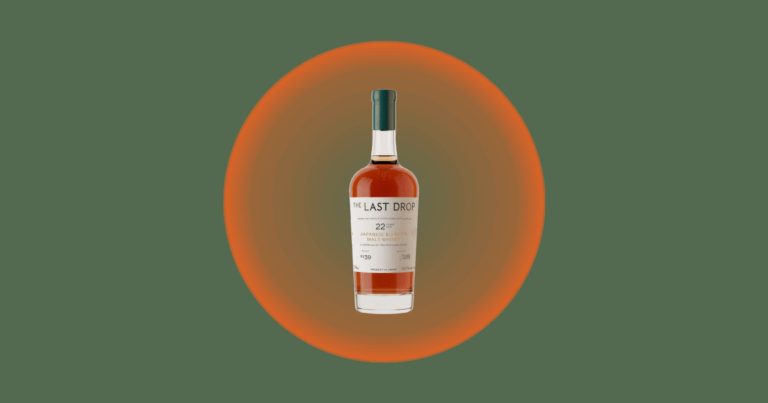
3. The Last Drop No. 39: 22 Year Old Japanese Blended Malt Whisky
Check Out the Reviews
Only 319 bottles of The Last Drop No. 39 exist, each priced at $5,500, each containing a blend of 22-year-old whisky from two Mizunara oak casks. One of those casks comes from Hanyu Distillery, shuttered since 2004 and now the stuff of collector mythology. Sazerac’s The Last Drop bottling operation has a talent for finding liquid that justifies its own story, and this release, at 59.1% ABV and 118.2 proof, is among its most compelling. The nose is a strange and gorgeous thing: butterscotch and red bean paste alongside kiwi, pear, cotton candy and smoked wood, a combination that shouldn’t cohere and absolutely does. The palate delivers tropical fruit and leather wrapped in white pepper, cinnamon and smoke, and the finish extends for what feels like an unreasonable amount of time, cycling through plum, truffle, melted butter, yuzu and white peach. At 95 points it ties the two entries below it, but the rarity of the liquid and the presence of Hanyu DNA push it to third place on narrative weight alone.
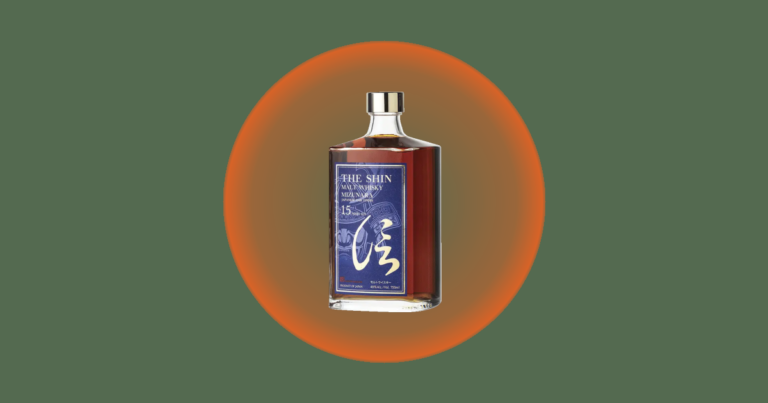
2. The Shin Malt Whisky 15 Years Mizunara Oak Finish
Check Out the Reviews
The Shin Malt Whisky Aged 15 Years Mizunara Oak Finish is the kind of bottle that makes you want to corner strangers at a bar and explain why they’re wrong about Japanese whisky being too expensive. Produced at Shinobu Distillery in Niigata Prefecture, aged in traditional oak and then finished in Mizunara casks, bottled at 48% ABV and priced around $110, this 15-year expression earns a 96 Critics’ Score that puts it ahead of bottles costing ten times as much. The Mizunara finish does what it does best here, threading that distinctive incense-and-sandalwood quality through whatever the Niigata water and climate built underneath. At this price, with this age statement, hitting this score, it’s the most straightforward recommendation on the entire list. Buy it before someone figures out it’s underpriced and corrects the situation.
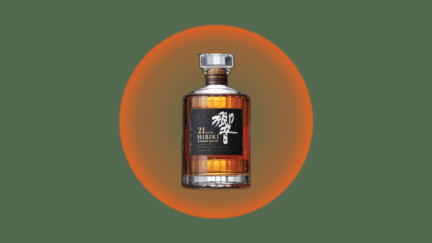
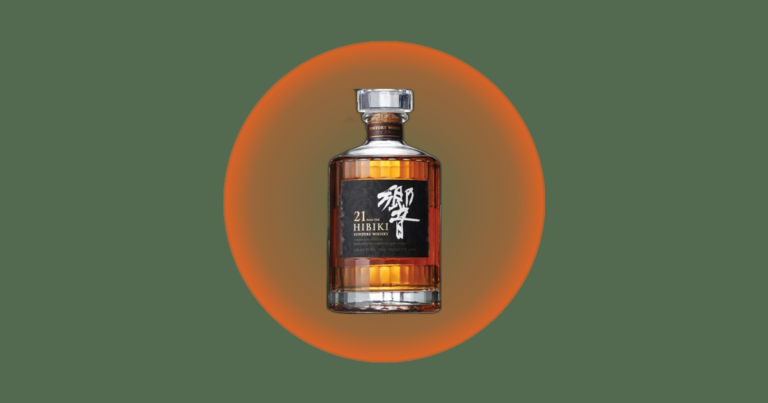
1. Hibiki 21 Year
Check Out the Reviews
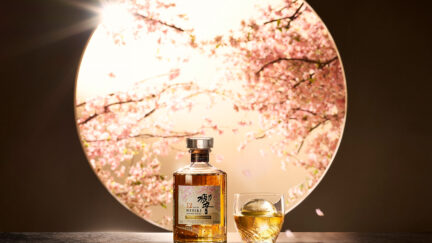
Hibiki 21 Year sits at the top of this list with a 96 Critics’ Score, and if you’ve tasted it before, that result is not likely to surprise you. Produced by Suntory and blending single malts from Hakushu and Yamazaki with Chita grain whisky, all aged a minimum of 21 years across American, European and Japanese wood, this is the kind of blended whisky that makes the word “blended” feel inadequate. At 43% ABV it’s not a high-octane experience, but Suntory has never needed proof points to make an impression, and the 21 Year is the clearest evidence of that. The integration of three distinct distillery characters across three wood types over two-plus decades produces something that no single malt can quite replicate: a whisky that feels complete, like every element has been exactly where it needed to be for exactly the right amount of time. It sells for an average price of nearly $1,000 on the secondary market (often considerably more), and it’s not easy to find, but when a bottle surfaces, there’s no hesitation required.
Japanese whisky earns its reputation one bottle at a time, and the nine expressions above cover the full range of what the category can do: rice-based curiosities from Okinawa, peated Hokkaido experiments, Mizunara-finished Niigata gems and Suntory’s most celebrated blends. The scores don’t lie, and neither does the glass.
Follow The Daily Pour:
About The Daily Pour
Founded by Dan Abrams, The Daily Pour is the ultimate drinking guide for the modern consumer, covering spirits, non-alcoholic and hemp beverages. With its unique combination of cross-category coverage and signature rating system that aggregates reviews from trusted critics across the internet, The Daily Pour sets the standard as the leading authority in helping consumers discover, compare and enjoy the best of today's evolving drinks landscape.