The One Simple Mistake You’re Making When You Make a Martini

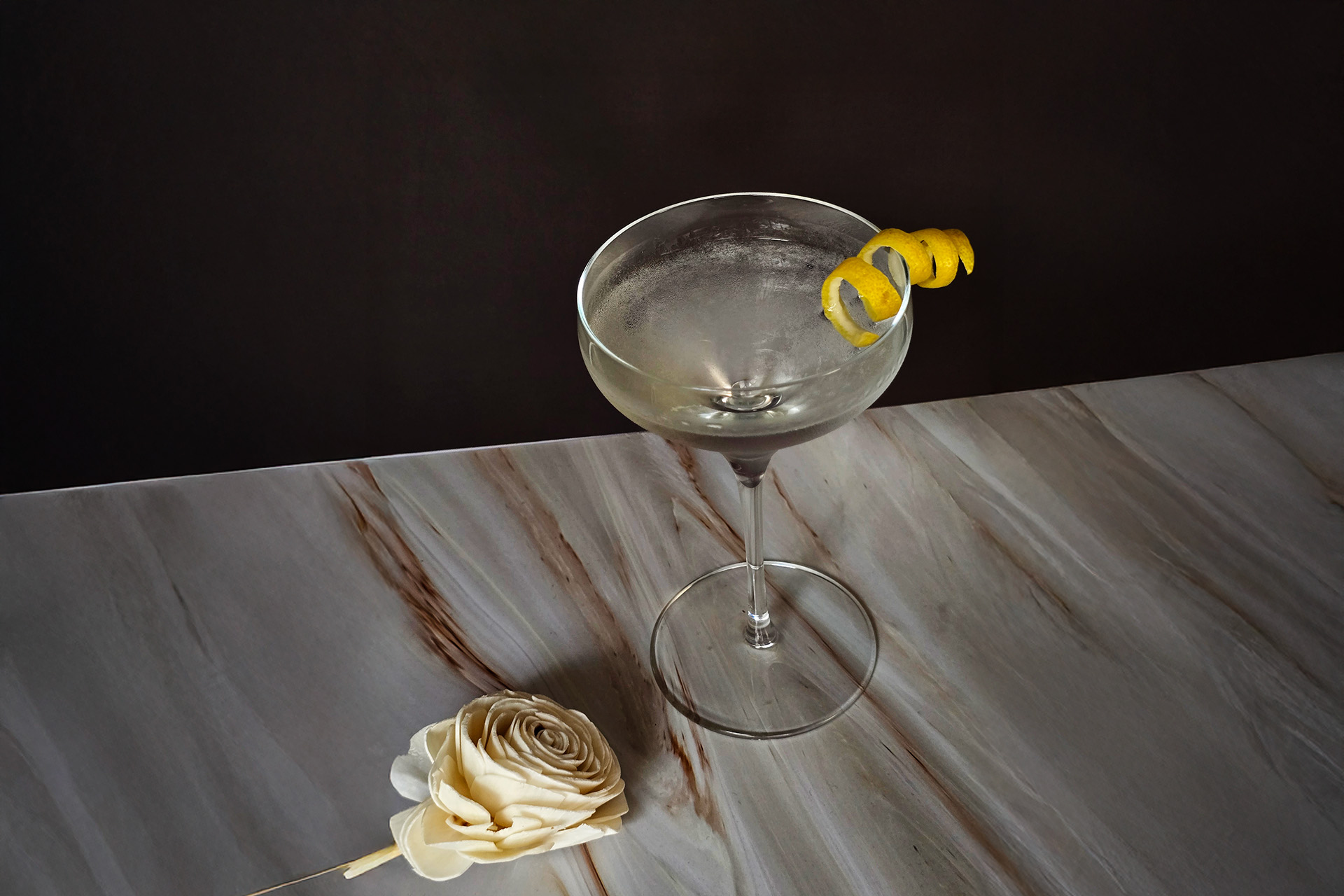
(Photo: Jessica Gleman)
There’s a reason the martini has endured for more than a century. Few cocktails are as clean, as direct or as unforgiving — which is exactly why so many home bartenders get it wrong.
The most common mistake when making a martini at home isn’t the gin-versus-vodka debate. It’s not the vermouth ratio. It’s not even the ever contested preference of shaking versus stirring.
It’s temperature.
Specifically: not chilling everything properly.
A martini is essentially ice-cold pure alcohol in a glass. When done right, it should arrive crystal-clear, bracingly cold and silky in texture. When done wrong, it tastes thin, sharp and diluted before you even take your second sip.
Here’s where most people slip up.
The Glass Isn’t Cold Enough
If you’re pouring a martini into a room-temperature glass, you’re sabotaging the drink before it even hits the rim.
A warm glass immediately starts melting the carefully controlled dilution you achieved while stirring. That frost-kissed clarity turns cloudy faster. The texture loosens. The drink loses its snap.
The fix is simple: Put your martini glass in the freezer at least 15-20 minutes before you plan to use it. If you’re entertaining, chill them earlier and leave them there. A properly chilled glass should feel icy to the touch and may even develop a light frost.
That first contact between liquid and glass should preserve the temperature, not fight it.
The Spirit Should Be Chilled, Too
This is the step most people overlook.
Gin and vodka are often stored at room temperature. That works fine for many cocktails, but a martini is not “many cocktails.” It contains very little non-alcoholic ingredient to help drive temperature down.
When you start with freezer-cold gin or vodka, you’re already ahead. The spirit is thicker, silkier and more viscous. It stirs down more gently and reaches that ideal serving temperature faster without over-diluting.
Store your martini base spirit in the freezer. High-proof alcohol won’t freeze solid, but it will become luxuriously cold. That temperature control is what separates a bar-quality martini from a disappointing one.
Ice Isn’t the Hero; Temperature Control Is
Many home bartenders compensate for warm ingredients by over-stirring. The result? Too much dilution. The drink becomes watery instead of silky.
If your glass is frozen and your spirit is freezer-cold, you need less stirring to reach the perfect chill. That means better structure, more pronounced flavor, and a finish that lingers instead of fading.
What a Properly Cold Martini Tastes Like
When everything is properly chilled, a martini should appear almost syrupy yet delicately smooth and clean. The botanicals in gin snap into focus. Vodka feels rounded and smooth rather than harsh. Vermouth integrates instead of sticking out.
If that sounds like your martini — congrats! You’re doing it right.
Most importantly, the drink stays cold longer, giving you time to actually enjoy it because nobody likes a room temp martini.
The martini is simple. That’s what makes it difficult.
Preferences are great and really help you home in on what your flavor profile is, but before you adjust ratios or debate olives versus twists, fix the temperature. Chill the glass. Chill the gin or vodka. Respect the cold.
Do that, and suddenly the martini you make at home tastes like it came from a serious cocktail bar.
Don’t believe us? Try using the chilled method, and make another one using room temperature ingredients and see for yourself.
What’s the Best Martini Recipe?
Give this classic martini recipe a try for the optimal results.
Follow The Daily Pour:
About The Daily Pour
Founded by Dan Abrams, The Daily Pour is the ultimate drinking guide for the modern consumer, covering spirits, non-alcoholic and hemp beverages. With its unique combination of cross-category coverage and signature rating system that aggregates reviews from trusted critics across the internet, The Daily Pour sets the standard as the leading authority in helping consumers discover, compare and enjoy the best of today's evolving drinks landscape.